The Tomato Virus Challenging Modern Crop Resistance
As a new tomato virus reaches South Korea, scientists are discovering how crop resistance evolves—and what modern farming must do to protect future harvests.

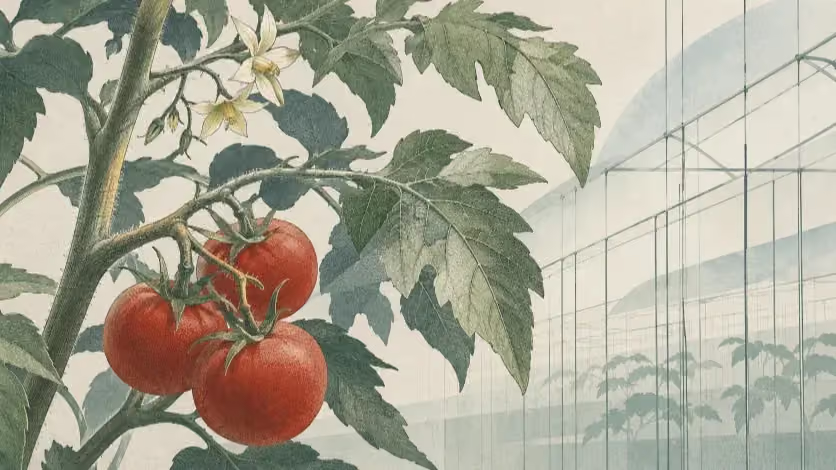
The arrival of tomato brown rugose fruit virus in South Korea has brought a longstanding problem in agricultural science into sharper focus: how to preserve the genetic defenses that have made intensive crop production possible as pathogens evolve, growing conditions change, and new breeding technologies emerge.
On November 8, 2026, Busan confirmed that tomato brown rugose fruit virus had been detected in its greenhouse tomato industry. A report broadcast by YTN that evening identified six hydroponic farms in Gangseo District with positive PCR results, while two others were awaiting tests. The discovery followed the first reported domestic farm infection in Gimje, North Jeolla Province, on October 20, and subsequent cases in South Chungcheong Province, where authorities had confirmed infections at 65 farms covering 43.1 hectares by November 7. Another 136 farms, spanning 99.9 hectares, remained under suspicion. The figures described different stages of investigation in separate regions; they did not establish how much of the national crop was infected or how much marketable production had been lost.
For tomato growers, the difficulty begins with the virus's capacity to exploit ordinary cultivation. Commercial greenhouse crops require repeated handling as vines are trained, leaves removed, stems pruned, and fruit harvested over an extended growing season. Tomato brown rugose fruit virus, known as ToBRFV, can pass between plants through contaminated hands, clothing, tools, and equipment, while infectious material may remain on greenhouse surfaces after diseased plants have been removed. Infection can damage foliage, interfere with fruit development, and produce the uneven coloration and brown, roughened patches that reduce commercial value. The fruit poses no known health risk to consumers; the threat is to production, marketability, and the grower's ability to contain a pathogen for which there is no curative treatment.
The Korean outbreak has yet to yield a verified account of its origins. The varieties grown by affected farmers, the resistance genes they carry, the sources of their planting material, and any connections through nurseries or shared agricultural services remain unestablished. Those omissions prevent the cases from being attributed to imported seed, a particular production practice, or a common genetic weakness. They also distinguish the immediate epidemiological investigation from a deeper scientific problem that has been developing for more than a decade. ToBRFV has spread internationally despite the extraordinary success of modern tomato breeding in controlling related viruses, challenging a form of inherited protection that had served commercial agriculture for generations.
The importance of that history extends beyond tomatoes. Much of modern crop improvement has involved discovering useful genetic variation in wild plants and bringing it into cultivated varieties, often protecting crops against pathogens that would otherwise restrict production. Breeders have combined those defenses with higher yields, more desirable fruit, and adaptation to specialized growing environments. Their success has enabled intensive agriculture to become increasingly productive, while the emergence of new pathogens has required its biological safeguards to be continually reassessed. The scientific response to ToBRFV offers an unusually detailed account of how that process works, from the recognition of a viral protein by a plant's immune system to the development of new resistance genes and their performance under commercial growing conditions.
The Genetic Defenses Behind Modern Agriculture
Plant breeders have long depended on genetic resources beyond the crops farmers already cultivate. Wild relatives frequently possess characteristics that make them unsuitable for commercial production, including small fruit, unfamiliar growth habits, or poor adaptation to managed growing conditions, yet their genetic inheritance can contain resistance against diseases to which cultivated plants have become susceptible. Crossing those relatives with commercial breeding lines allows useful defenses to be transferred into crops selected for human consumption. The process has helped protect production against viruses, fungi, bacteria, and other agricultural pathogens, although the mechanisms of resistance differ considerably among them.
The history of sugarcane mosaic disease in Louisiana illustrates how agricultural production has been reshaped by this work. In the early twentieth century, mosaic disease contributed to a severe crisis in the regional sugar industry, accelerating the replacement of susceptible cane varieties and the development of organized resistance breeding. Sugarcane mosaic virus and sorghum mosaic virus are distinct viral pathogens associated with mosaic disease, and changes in their populations continued to present challenges after resistant varieties had been introduced. Agricultural recovery depended on breeding material capable of combining disease protection with commercially useful performance. The experience helped establish the importance of retaining diverse genetic resources so that successful crop varieties could be improved or replaced when their defenses no longer provided sufficient protection.
Tomato breeding followed its own course, with resistance genes introduced from wild relatives becoming increasingly important to commercial varieties during the twentieth century. The consequences are visible in the genomes of tomatoes now grown in highly specialized horticultural systems. In 2019, researchers at Wageningen University & Research examined 90 varieties introduced for commercial greenhouse production in the Netherlands between 1950 and 2016. Using thousands of genetic markers, they reconstructed changes in diversity across successive generations of breeding. Their analysis found that genetic variation among the sampled varieties had been especially low in the 1960s, but increased markedly from the 1970s onward, reaching approximately eight times the earlier level on the measure used by the researchers.
Much of the increase came from breeding for disease and pest resistance. Wild tomato relatives supplied genetic material that was subsequently incorporated into commercial plants, while later efforts to improve flavor, appearance, and fruit characteristics contributed further variation. This history complicates the familiar portrayal of industrial agriculture as an uninterrupted narrowing of crop genetics. Within the breeding population examined, the development of modern commercial tomatoes had expanded genetic diversity precisely because greater biological protection was needed. The researchers were measuring variation across the genome, however, and that aggregate finding concealed another important feature of the same breeding history.
On chromosome 9, the researchers identified a substantial genetic segment inherited from Solanum peruvianum, a wild tomato relative that supplied resistance against important tobamoviruses. Depending on the breeding material, the segment carried the resistance gene Tm-2 or its allele Tm-2². Among varieties introduced during the 1970s, 58% carried this wild-derived region; by the 2010s, the proportion had reached 93%. In the modern variety Merlice, the inherited segment extended across approximately 53 million base pairs, occupying nearly four-fifths of chromosome 9. The persistence of such a large region reflected the difficulty of separating an advantageous gene from neighboring genetic material during successive rounds of crossing and selection, particularly where recombination was restricted.
The Dutch study documented the history of a particular commercial breeding population rather than the genetic composition of tomato farms worldwide. Its findings nevertheless illuminate a feature of crop improvement that aggregate measures of diversity can obscure. Varieties may differ substantially in fruit characteristics and across much of their genetic material while relying on related mechanisms to resist a particular pathogen. The widespread adoption of a successful resistance gene is an agricultural achievement: it allows breeders to preserve protection while developing plants for different markets and production environments. But the number of varieties available offers no reliable measure of how many independent defenses they possess against a virus capable of overcoming a shared resistance mechanism.
Genetic diversity rose. A resistance region spread with it.
Two different measures from 90 selected Dutch and Northwestern European greenhouse tomato varieties introduced between 1950 and 2016.
GENOME-WIDE DIVERSITY
Up to ~8×
Increase relative to the 1960s low, measured using Nei’s diversity index across 7,661 SNP markers. It is not a count of varieties or a measure of virus resistance.
CHROMOSOME 9 RESISTANCE REGION
Share of sampled varieties carrying a wild-derived segment containing Tm-2 or Tm-2².
Greater overall variation does not necessarily mean more independent defenses against the same virus.
Few examples demonstrate the value of that shared protection more clearly than Tm-2². For more than sixty years, the gene provided exceptional resistance against tobacco mosaic virus and tomato mosaic virus, two members of the tobamovirus group. Its durability was rooted in an unusually consequential molecular interaction. The gene encodes an intracellular immune receptor that recognizes a viral movement protein, which the pathogen requires to pass between neighboring plant cells. Recognition activates a defensive response capable of restricting infection before the virus spreads throughout the plant.
The movement protein presents a difficult evolutionary target for a virus seeking to escape recognition. A mutation that changes the part of the protein recognized by the plant's immune receptor may also compromise the protein's ability to perform the movement function essential to infection. Research published in 2023 identified a conserved cysteine residue in the movement proteins of older tobamoviruses that contributed both to their movement between cells and to recognition by Tm-2². Altering that residue disrupted infectivity in the viruses examined. The effectiveness of the plant's defense was reinforced by a constraint on the pathogen's own biology: evading recognition could come at the cost of losing the ability to spread.
ToBRFV demonstrated that the constraint could be overcome. Its movement protein differs from those of the older viruses sufficiently to avoid much of the strong immune response associated with Tm-2², while retaining the functions needed to establish infection. The appearance of a pathogen capable of infecting plants carrying such a durable defense created a problem for commercial breeding because the gene had become so valuable and widely incorporated into modern varieties. Its previous success offered no guarantee that the same protection would remain effective against a differently evolved virus.
Research published in July 2026 revealed that the loss of extreme resistance had not eliminated the gene's defensive activity. Shaokang Zhang, Mark A. Bernards, and Aiming Wang, studying tomato plants and the experimental plant Nicotiana benthamiana, found that ToBRFV's movement protein could still interact with the Tm-2² receptor and trigger a weakened immune response. Plants carrying the gene accumulated less virus under several experimental inoculation conditions, and their symptoms were generally milder. At the highest inoculation level tested, the reduction in viral accumulation in systemically infected leaves was no longer statistically significant. Increasing expression of the resistance gene also strengthened the restriction of viral accumulation in additional experiments.
The findings reveal how resistance can persist in a diminished form after a pathogen acquires the capacity to infect its host. The interaction between the plant's receptor and the viral protein had changed in strength, while the effectiveness of the resulting defense depended partly on the amount of receptor available and the conditions of exposure. The experiments did not measure protection of commercial yields or establish a practical method for increasing resistance-gene expression in cultivated varieties. They did, however, demonstrate that a gene regarded as overcome by ToBRFV could retain biological value, potentially contributing to future combinations of defensive mechanisms.
That distinction matters because crop resistance is often described as a property that a variety either possesses or lacks. Plant breeders may classify resistance according to standardized responses to particular pathogens, but the underlying biology is more complex. The accumulation of virus, the severity of symptoms, the conditions of infection, and the genetic background of the plant can all influence the protection actually achieved. A strong resistance response against one viral population may be weaker against another. A defense that no longer prevents infection may still restrict viral multiplication, although the agricultural value of that partial protection must be established separately. Understanding these differences has become increasingly important as breeders develop new genes intended to work alongside, rather than merely replace, the defenses inherited from earlier generations of crop improvement.
How a Virus Moves Through Modern Farming
The protective capacity of a plant becomes an agricultural outcome only when it encounters the conditions of production. A greenhouse contains plants with particular genetic defenses, but infection also depends on how the pathogen enters, how frequently it reaches susceptible tissues, and whether infectious material survives between growing cycles. Modern horticulture organizes these processes across several activities that may occur in different locations: breeding, seed multiplication, seed processing, nursery propagation, grafting, transport, and cultivation. Specialization makes advanced planting material widely available and helps growers obtain varieties suited to their markets. It also makes the movement and health of that material central to disease prevention.
Research on ToBRFV transmission through seed illustrates the difference between introducing a pathogen and allowing it to multiply in a growing crop. Experiments using seeds collected from naturally infected tomatoes found viral contamination on the outer seed coat, rather than within the embryo. The measured rate of transmission from contaminated seeds to seedlings was only 0.08% under the experimental conditions. The result does not describe contamination levels in commercial seed lots or the effectiveness of their testing and treatment. Its significance lies in the possibility that a relatively uncommon infection event can establish an initial source of virus in a previously unaffected growing environment, where subsequent transmission follows a different biological process.
Once infectious material reaches a greenhouse, routine plant handling offers opportunities for more extensive spread. In experiments published in 2023, ToBRFV remained infectious for at least seven days on every greenhouse surface tested and for at least six months on some materials. The virus survived for more than two hours on hands and gloves under the conditions examined. These were controlled tests involving contaminated materials, and actual survival varies with the surface, environment, and sanitation procedures. Their results help explain why removing symptomatic plants may leave infectious material behind and why tools, containers, clothing, and other reusable equipment must be considered when a production facility is prepared for another crop.
Hydroponic production introduces an additional dimension to the problem. Soilless systems allow growers to manage water and nutrient delivery precisely, while recovering drainage can reduce the consumption of water and fertilizer. Research conducted in 2023 demonstrated that ToBRFV could remain infectious for up to four weeks in experimentally contaminated water stored at room temperature and that infection through roots was possible under particular exposure conditions. Investigators also detected infectious virus in drainage from commercial tomato greenhouses. The results did not establish that every recirculating system would transmit infection efficiently; in one experiment using drainage from an infected commercial greenhouse, repeated watering did not infect the test plants through their roots. The relevant variables included viral concentration, duration of exposure, and the condition of the roots.
These findings broaden the biological understanding of a pathogen more commonly associated with direct handling of plants. They make water monitoring and treatment relevant to the design of some greenhouse management systems, particularly where nutrient solutions are reused, while leaving the role of that route to be established in individual outbreaks. The fact that the affected farms reported in Busan were hydroponic operations does not demonstrate that their irrigation systems transmitted the virus. A meaningful investigation would require sampling of plants, water, equipment, and potentially connected production facilities, together with records of the planting material and agricultural services used.
The same precision is required when interpreting laboratory detection. Molecular tests can identify small quantities of viral RNA and are essential tools for screening plants and potentially contaminated material. Yet genetic material may remain detectable after the virus has lost its ability to infect another plant. Detecting RNA in water or on a surface therefore establishes a different fact from confirming infection in a living crop. Biological infectivity testing, the origin of the sample, and the circumstances of collection become important when the purpose is to reconstruct transmission rather than simply identify the presence of viral material. The distinction has practical consequences for growers who must determine whether a facility has been sufficiently cleaned to support another planting.
South Korea had already recognized ToBRFV as a phytosanitary risk before the outbreak. In October 2025, the country's Animal and Plant Quarantine Agency notified the World Trade Organization of expanded import requirements covering tomato and pepper seeds and other propagating material from additional affected regions. The new conditions applied to shipments from December 22 of that year. The existence of those controls establishes that the pathogen was subject to preventive measures before the first reported domestic farm infection. The subsequent detections cannot by themselves establish how it crossed the border or whether imported material played any part in its arrival.
Experience elsewhere shows how difficult the investigation can remain even after infectious material has been identified in commercial networks. In March 2021, Dutch authorities reported that four seed lots had tested positive during trace-back investigations, but they could not confirm that those lots had caused the infections in fruit-production facilities. Genetic analysis suggested multiple introductions, while the original sources remained uncertain. The Dutch experience illustrates why a common supplier, a positive seed test, or similarity between viral sequences can provide evidence for investigation without necessarily establishing the full chain of transmission.
Australia subsequently confronted the problem at a different stage. In May 2025, its National Management Group concluded that nationwide eradication was no longer technically feasible, citing difficulties with detecting low levels of contamination and tracing the places where the pathogen might already be present. The remaining emergency eradication response was discontinued that September, although management, biosecurity, and movement controls continued. This decision reflected the circumstances of Australia's infections and its ability to eliminate them. It provides no basis for assuming that South Korea will face the same outcome. It does demonstrate that the feasibility of eradication depends on the distribution of a pathogen and the capacity to locate and interrupt its transmission, rather than on the existence of an effective resistance gene alone.
The biology of infection and the organization of production consequently place different demands on disease prevention. A resistant plant may limit viral multiplication after exposure, while healthy propagation material and effective sanitation reduce the opportunities for exposure to occur. Their effectiveness is interdependent. Genetic resistance that offers incomplete protection may have greater practical value when infectious material is kept at low levels, although the controlled inoculation experiments with Tm-2² cannot be translated directly into exposure thresholds for commercial greenhouses. The development of stronger resistance remains essential, but it must operate within production systems capable of preserving the health of plants before and after they reach the farm.
Breeding After Resistance Breaks
The search for new protection against ToBRFV began soon after the virus was recognized as a distinct threat. In 2015, researchers at the Dutch seed company Enza Zaden received diseased tomato material from the Middle East, where plants carrying Tm-2² had developed symptoms associated with tobamovirus infection. The company began screening more than 800 accessions from wild tomato relatives, examining plants for resistance that persisted after experimental exposure. An accession of Solanum habrochaites provided particularly promising material, and the subsequent breeding program sought to transfer its resistance into commercial tomatoes without sacrificing the characteristics required by growers and buyers.
The program illustrates how genomic techniques can change the precision of crop improvement. By examining offspring from crosses involving the resistant wild material, researchers mapped the relevant inheritance to chromosome 8 and developed molecular markers to identify plants carrying the desired region. Further sequencing uncovered approximately 68,000 base pairs absent from the corresponding region of the cultivated tomato reference genome. The additional sequence contained several candidate genes resembling plant immune receptors. Genetic mapping and gene-silencing experiments helped the researchers identify the resistance gene designated HREZ, providing a means of selecting offspring that retained the new defense.
The company reported producing eighteen commercial hybrids across six market segments by 2022, approximately seven years after the first diagnostic material had been received. The achievement involved considerably more than introducing an identified gene into a tomato plant. Breeders needed to recover the commercial characteristics of their preferred parental lines while preserving the desired resistance, a process made faster by the ability to follow relevant chromosome regions through successive generations using genetic markers. The research account, published in Breeding Science in 2026, was written predominantly by Enza Zaden researchers. It documents the company's development process and experimental findings, although independent evidence of the varieties' long-term performance across different commercial environments remains a separate requirement.
The difficulties encountered during selection are revealing. Some breeding lines developed narrow, distorted leaves, weak growth, and poor fruit set when temperatures exceeded 28°C. Researchers initially suspected that an undesirable characteristic had accompanied the resistance gene on chromosome 8. Subsequent mapping located the responsible factor, designated AP-1, on chromosome 9. Molecular markers enabled breeders to eliminate that inherited factor from later selections while retaining HREZ, showing how further genetic analysis could correct a problem introduced during an otherwise successful breeding program.
The new resistance itself presented a different temperature-related limitation. The researchers reported that HREZ-mediated protection could weaken above 30°C, particularly when young plants were exposed to high levels of virus. This was separate from the AP-1-associated growth disorder that had appeared above 28°C and was removed through breeding. The distinction is essential to understanding the technology: eliminating an unwanted inherited growth characteristic does not necessarily resolve the environmental sensitivity of the desired defense. The company also described experimental work suggesting that combining HREZ with Tm-1 or another resistance-associated genetic region could reduce the loss of protection under elevated temperatures.
Two temperature findings, two biological problems
Breeders reported a heat-related growth disorder in some experimental tomato lines and a separate temperature limitation affecting the resistance they wanted to retain.
AP-1 · CHROMOSOME 9
Above 28°C
Abnormal growth in some lines
Some selected seedlings developed distorted leaves and weaker growth under elevated temperatures. The unwanted AP-1 trait was genetically separable from the desired HREZ resistance.
BREEDING RESPONSE
The researchers bred AP-1 out of later selections.
HREZ · CHROMOSOME 8
Above 30°C
Virus resistance can weaken
The researchers reported reduced HREZ effectiveness against ToBRFV at higher temperatures, particularly in young plants under heavy viral pressure.
BREEDING IMPLICATION
Additional resistance genes may help maintain protection. Removing AP-1 does not eliminate HREZ’s temperature sensitivity.
These temperatures describe different experimental observations—not a single heat-response curve or universal greenhouse failure thresholds. The study does not establish that heat caused the Korean infections.
The results introduce a concrete environmental dimension to modern resistance breeding. Greenhouse temperatures vary with the season, local climate, building design, and the use of ventilation, shading, heating, or cooling. A temperature-sensitive defense may therefore perform differently across growing systems, even when the same genetic material is used. The HREZ study does not establish that climate change contributed to the Korean outbreak or that all HREZ-bearing varieties lose resistance whenever temperatures briefly exceed 30°C. It shows why evaluating resistance across different conditions matters before a breeder's experimental results can be translated into dependable production. A gene that performs well under one combination of temperature and viral exposure may need additional protection, or a different genetic combination, to maintain its effectiveness elsewhere.
Independent research has begun to clarify why combinations of defenses can behave differently from their individual components. A 2025 study in PLOS Genetics examined plants carrying Tm-1, a gene associated with interference in viral RNA replication, together with a tolerance-associated region on chromosome 11. Increasing Tm-1 expression substantially reduced viral accumulation in one genetic background but did not provide comparable protection in a susceptible background. The effect depended on interactions with inheritance elsewhere in the plant's genome. Other researchers have identified additional ToBRFV resistance-associated regions in wild tomato material, expanding the options available to breeders without establishing that all these regions contain the same genes or operate through identical mechanisms.
The need for multiple defenses is reinforced by evidence that ToBRFV can evolve resistance-breaking variants even against newly developed cultivars. In a 2024 Belgian study, scientists investigated viral isolates associated with susceptible and newly resistant tomato plants grown in a commercial greenhouse. Sequencing identified a difference at a single amino acid position in the virus's movement protein. Experimental inoculation showed that the isolate carrying the change could infect the resistant cultivar, while the comparison isolate could not establish detectable infection under the same conditions. The cultivar's underlying resistance mechanism was proprietary, preventing the result from being attributed to HREZ or another named gene. The experiment nevertheless provided direct evidence that a small genetic alteration in the virus could overcome a recently developed resistance phenotype.
Such mutations do not necessarily improve every aspect of viral fitness. The Enza Zaden researchers reported that some ToBRFV variants capable of overcoming HREZ performed less effectively during subsequent experimental propagation, suggesting that resistance-breaking changes could impose costs on the pathogen. The result cannot establish that similar variants would disappear from agricultural populations or that every resistance-breaking mutation would carry a comparable disadvantage. It indicates why the biological consequences of escape mutations matter when breeders consider combining defenses: a virus may need to acquire changes that overcome several barriers while retaining the ability to replicate and spread efficiently. The durability of those combinations must ultimately be established through the behavior of viral populations over time.
Another line of research has extended resistance breeding into grafted plants. Commercial tomatoes are often grown with a fruit-producing shoot attached to a rootstock selected for vigorous growth or resistance to particular diseases. In a 2026 study, Israeli researchers investigated rootstocks carrying Tm-1-associated resistance and found that they could restrict infection originating through the root system under controlled conditions, although they did not protect susceptible shoots from virus introduced directly into the leaves. In pooled observations from commercial greenhouses, 16.43% of sampled plants combining resistant shoots and rootstocks tested positive, compared with 94.67% of those combining susceptible shoots and rootstocks. The figures describe particular plant combinations and growing conditions rather than a universal measure of grafting effectiveness. Their biological importance lies in showing how protection can depend on the part of the plant exposed to infection, as well as on the resistance genes present.
Taken together, these studies reveal a broader change in the development of crop resistance. Breeders can identify genetic material missing from established reference genomes, track valuable inheritance through crossing, investigate interactions between defenses, and place resistance in different parts of a grafted plant. Those tools expand the choices available after a pathogen overcomes an established defense. They also expose the limits of treating resistance as a permanent characteristic established when a commercial variety is released. A cultivar must remain productive under the environmental conditions of cultivation and against the viral populations it encounters, while retaining the fruit quality and other characteristics that make it commercially useful. The scientific achievement of developing a resistance gene is only one part of its eventual contribution to agriculture.
The Economics of Keeping a Crop Healthy
The financial consequences of ToBRFV became apparent in the Netherlands soon after the first outbreaks were identified there in 2019. In a report to the European and Mediterranean Plant Protection Organization in March 2021, Dutch authorities recorded losses reported by growers ranging from less than 5% at some businesses to between 5% and 30% at others. Some had removed entire crops and started again. Official waste-disposal measures were estimated to cost between €5,000 and €10,000 per hectare, with additional expenditure required for sanitation. These figures were drawn from different experiences during disease-control operations rather than a standardized economic assessment. Their variation shows why a confirmed infection cannot be converted directly into a percentage of production lost.
The timing of infection can be as important as its severity. A grower who discovers the virus after part of a crop has been harvested faces different consequences from one required to remove plants before they have produced their expected fruit. A plant may remain productive despite infection, but damaged or unevenly colored tomatoes can fail to meet commercial standards, reducing the value of harvested output. Crop removal ends the possibility of obtaining additional fruit, while sanitation, disposal, replacement planting, and testing impose costs that extend into the next growing cycle. Farmers must also account for labor, energy, water, fertilizer, and greenhouse capacity already committed to production. The economic loss associated with infection therefore depends on the marketable harvest forgone, the interruption of cultivation, and the expense of restoring the facility to productive use.
Contamination surviving into a replacement crop can make the consequences considerably more persistent. By December 2024, Dutch authorities had recorded ToBRFV at 82 tomato fruit-production sites since the pathogen first appeared in the country. Eradication had been successful at 39 locations, although four subsequently experienced renewed detections after an earlier successful result. The figures cannot establish a general recurrence probability, but they demonstrate how the management of a production facility can remain uncertain beyond the removal of visibly diseased plants. A new crop involves further investment, and its health depends partly on whether infectious material has survived on equipment, growing surfaces, or other components of the production system.
For a farmer evaluating new resistance technology, these uncertainties complicate an apparently straightforward choice. A resistant variety may cost more to obtain or require different cultivation practices, but its value lies in the amount of marketable production it helps preserve under the conditions actually faced by the farm. Laboratory resistance, reduced symptom severity, and a lower proportion of infected plants may each contribute to that result without guaranteeing it. The same is true of preventive expenditure. Testing, sanitation, and the purchase of healthy planting material impose costs even when infection never develops. The economic benefit of prevention is often the avoidance of a loss that cannot be observed directly, making comparable cultivation records especially valuable when growers must decide which measures justify their expense.
Agricultural diversity offers additional ways to manage biological risk, although the evidence must be interpreted in relation to the production system. A meta-analysis published in the European Journal of Agronomy in September 2026 examined 124 experiments from 57 studies comparing disease incidence in single-species crops and intercropping systems. Across those experiments, average disease incidence was 36% in pure stands and 22% in species mixtures, with substantial variation among crop-pathogen combinations. The research supports the potential of growing different species together to suppress disease under suitable conditions. It does not establish that introducing another species into a tomato greenhouse would prevent ToBRFV transmission through contaminated tools, workers, or planting material.
Crop rotation provides a different form of diversity by changing the species cultivated over time. A 2025 Nature Communications meta-analysis assembled 3,663 paired field-trial observations from 738 experiments and found that rotations often increased the yield of succeeding crops. Across suitable cropping sequences, the research also found gains in total production, nutritional output, and gross revenue relative to continuous monoculture. Those findings concern the combined output of crop sequences, including quantities of dietary nutrients produced, rather than changes in the nutrient concentration of individual fruits. The analysis also lacked consistent input-cost data needed to establish net profitability. Its results demonstrate that diversification can improve several dimensions of agricultural performance, while offering no direct estimate of its effectiveness or economic return in Korean hydroponic tomato production affected by ToBRFV.
The distinction between diversity across crop species and diversity within crop resistance mechanisms is particularly important here. Specialized tomato greenhouses are built around particular growing systems, investment requirements, harvest schedules, and markets. Replacing tomatoes with another species may interrupt some opportunities for viral multiplication, but ToBRFV can persist on equipment and other contaminated materials, and alternative crops must be assessed for their susceptibility to the virus. Diversifying the resistance genes available within commercial tomatoes presents another possibility, allowing breeders to develop varieties with different combinations of defenses without requiring farmers to abandon their established crop. Both approaches can have value under suitable conditions; their performance depends on the pathogen, the crops involved, and the economics of the production system.
Resource efficiency introduces a related consideration. Recirculating irrigation systems can reduce water and fertilizer losses, but their benefits depend on maintaining the quality of reused nutrient solutions and preventing biological contamination. The experimental evidence that ToBRFV can remain infectious in water makes disease monitoring relevant to some forms of water reuse. Similarly, maintaining temperature conditions that support plant growth and resistance may involve additional energy expenditure or changes in greenhouse management. Measures that reduce disease can help preserve the value of resources already invested in a crop, while the measures themselves consume money and materials. Evaluating sustainability therefore requires examining production over time, including the quantity and quality of the harvest that reaches the market and the resources needed to maintain it.
These considerations are increasingly important as agricultural systems face changing environmental conditions. The temperature sensitivity observed in HREZ-mediated resistance is a specific biological finding that can inform breeding trials and the management of growing environments. Broader research on crop diseases and climate indicates that temperature, moisture, extreme weather, host physiology, and pathogen biology can interact in ways that differ among agricultural systems. The consequences cannot be inferred from temperature alone, and the Korean outbreaks provide no verified evidence linking ToBRFV infection to climate change. Breeding for performance across environmental conditions, maintaining plant health, and limiting resource losses are related challenges, but each requires its own evidence and practical evaluation.
South Korea's 2026 tomato production outlook places the current outbreak within an industry that had expected modest growth before the virus was detected. In January, the Korea Rural Economic Institute projected 6,293 hectares of tomato cultivation and approximately 390,000 metric tons of production for the year, reflecting anticipated increases in area and yield. The forecast preceded the autumn detections and cannot be treated as a revised estimate of disease-related losses. The confirmed 43.1 hectares reported in South Chungcheong Province identifies an area associated with positive cases under the province's reporting criteria. It does not measure the quantity of fruit that will be discarded, the share that can still be marketed, or the expenses incurred by affected growers. Assessing those consequences requires records of planting dates, cultivated varieties, harvests, crop removal, and the costs of diagnosis and sanitation.
The Korean cases may eventually show that particular varieties or resistance genes were widely shared among affected farms, that connections through planting material or agricultural services played a more important role, or that transmission occurred through several pathways. They may also reveal substantial differences in the extent of damage and the success of containment. Those explanations remain open because the information needed to distinguish among them has not yet been established. The biology of ToBRFV indicates which evidence would be useful, but it cannot substitute for a reconstruction of what happened in the affected growing facilities.
For farmers preparing another planting, the practical significance of the outbreak will emerge through decisions that connect breeding with everyday cultivation. A variety's inherited defenses influence how it responds to infection; the health of its planting material, the condition of the greenhouse, and the management of tools and water affect the opportunities for that infection to occur. The ability to detect contamination and restore reliable production determines whether another crop can be established without repeating the losses of the previous one. Modern plant breeding has made these decisions more informed by identifying resistance genes and developing new combinations of protection, while the persistence and evolution of ToBRFV continue to expose the limits of relying on genetic resistance alone.
The history of crop improvement gives little reason to regard the emergence of a resistance-breaking virus as the end of a successful agricultural technology. The defenses inherited from wild relatives have protected production for decades, and recent research shows that some retain biological activity even after pathogens acquire the ability to infect their hosts. New genomic techniques have expanded the search for alternative defenses and improved the precision with which they can be introduced into commercial crops. Their continued value will be established in the growing seasons that follow, as new varieties encounter changing viral populations and farmers weigh the cost of protection against the harvest it preserves. In Busan and the other Korean districts where ToBRFV has been detected, that history now meets the immediate demands of keeping a commercial crop healthy enough to bring to market.
Continue this reporting
Reporting on the same issue
Related coverage selected from the article's desk, topics and newsroom relationships.
 NewsSep 30, 2026
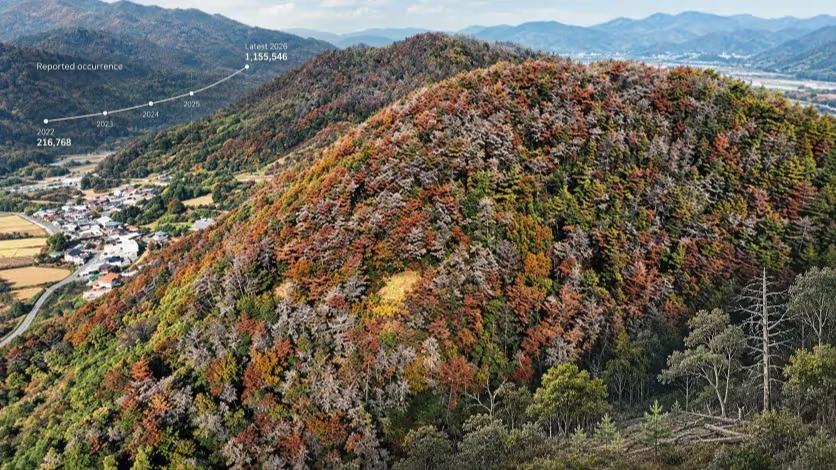
Gyeongnam’s Pine-Wilt Surge Is Forcing a Shift From Tree Removal to Forest Management
Gyeongnam’s pine-wilt outbreak has grown beyond a tree-removal problem. As re...
 NewsSep 22, 2026
Busan Is Growing Westward as Its Waste Infrastructure Stays Put
Busan’s proposed Saenggok incinerator has moved from 800 to 500 tons a day. T...
 NewsAug 17, 2026
What South Korea’s 87% Drop in Aquaculture Heat Losses Really Measures
South Korea reported an 87 percent drop in aquaculture losses from high water...
More from the author
More from this byline
Stay with the same line of reporting through more work from this byline.
 NewsNov 5, 2026
The Shipping Networks Behind Busan Port’s Global Reach
 NewsOct 28, 2026
After the Expo, Busan Is Negotiating a Different North Port
Reader Signal
Community readWhat did this report leave you with?
Choose the signal that best reflects your reading. Select it again to remove it.
One response per article
No response selected
A moderated conversation about the reporting.
One-level replies and newsroom moderation keep the conversation anchored to this article.
Discussion Status
Open
Please sign in to join the discussion.
Newsletter
Weekly reporting and context from Busan and Korea.