South Korea's Battle Against Extreme Weather and Rising Food Costs
South Korea is currently grappling with an unexpected deluge, the likes of which have not been seen in recent memory. This torrential downpour is having a significant impact on agricultural production across the country, disrupting farming schedules, destroying crops, and causing concerns over food security. The rain has poured relentlessly, flooding fields and drenching farmlands, leaving farmers and consumers alike in a state of worry and uncertainty. Adding to the concern is the threat this


South Korea is currently grappling with an unexpected deluge, the likes of which have not been seen in recent memory. This torrential downpour is having a significant impact on agricultural production across the country, disrupting farming schedules, destroying crops, and causing concerns over food security. The rain has poured relentlessly, flooding fields and drenching farmlands, leaving farmers and consumers alike in a state of worry and uncertainty.
Adding to the concern is the threat this situation poses to the recent stability in rice prices. Just when the market was beginning to show signs of calm after a period of fluctuation, the escalating prices of agricultural ingredients have now put this hard-earned stability at risk. With increasing input costs, the price of rice and other staples may soon see a hike, adding to the financial burden on households.
Increase in Vegetable Prices
Data from the Korea Agro-Fisheries & Food Trade Corporation (KAMIS) clearly illustrates the escalating crisis. There has been a drastic surge in the prices of various vegetables, a critical part of the Korean diet. Staples such as spinach, lettuce, zucchini, and tomatoes have all seen significant price increases, directly impacting consumers and food businesses alike.
The causes behind this abrupt rise in prices can be primarily attributed to the recent extreme weather conditions. The country has been hit by an unusual heatwave, with temperatures soaring to record highs. This has been followed by heavy rainfall, further exacerbating the situation. The heatwave caused a decrease in agricultural yield, while the subsequent downpour led to damages and loss of crops. As a result, the supply of vegetables has been hit hard, leading to a stark increase in prices due to the imbalance between demand and the limited supply.
Impact on Overall Prices and Inflation
With vegetable prices skyrocketing, it is predicted that food service prices will follow suit. Given that these services already account for a significant portion of household expenditures, any increase will put an added strain on families across the country. Unfortunately, these unprecedented weather conditions are likely to keep food prices on an upward trajectory for the foreseeable future.
This crisis is eerily reminiscent of the situation in 2020 when monsoons and typhoons greatly affected agricultural production, leading to a surge in the price of agricultural goods. The memory of the turmoil from last year still looms large, and it's feared that this year might follow a similar pattern if the weather conditions do not improve.
Damage to the Farming Industry
The farming industry has been hit hard by the recent downpours. Heavy rain has flooded fields, destroyed crops, and caused widespread damage to farmland. According to the latest reports, thousands of hectares of farmland have been affected, impacting both the livelihoods of farmers and the country's food supply.
The Ministry of Agriculture, Food, and Rural Affairs has released alarming data detailing the extent of the damage. Vast areas of agricultural land have been damaged, including numerous farming facilities. The ministry's report paints a grim picture of the situation, highlighting the magnitude of the crisis faced by the farming sector.
The impact of this crisis is not uniform across the country, with some regions bearing the brunt more than others. North Jeolla Province, a significant agricultural region, has suffered most of the damage. This disparity in regional impact further compounds the challenge of managing the crisis and stabilizing food supply and prices.
The heavy rains have also wreaked havoc on the livestock sector. Recent reports reveal a significant death toll among livestock animals, primarily chickens and ducks, as a result of the downpours. Thousands of these animals, crucial to the country's poultry industry, have perished.
Moreover, the relentless rain has also severely affected facility greenhouses where livestock is typically sheltered. These structures are designed to protect animals from adverse weather, but the severity of the current downpour has exceeded their capacity. This has led to flooded pens and shelters, contributing to the high mortality rate among livestock.
Projections of the Damage
As weather forecasts predict more rainfall in the coming weeks, there is a grim expectation that the damage to agricultural production and livestock could worsen. While government and local authorities are still assessing the current extent of the damage, these additional rainfalls could compound the devastation.
This crisis also raises concerns about the potential impact on Chuseok prices. As one of the most important traditional holidays in South Korea, where gift-giving, particularly of food items, is customary, increased agricultural and livestock prices could result in a significant rise in the cost of Chuseok. This could potentially burden households already grappling with the economic impacts of the current crisis.
The impact of unusual weather conditions is already visible in specific cases of agricultural damage. For instance, apple crops in the regions of Chungcheong and Gyeongsangbuk-do have been severely affected. The torrential rain and flooding have damaged the orchards, leading to a significant decrease in yield. This will inevitably impact the market supply of apples from these regions, pushing prices up.
Moreover, there are growing concerns about the possible surge in cabbage prices leading to a 'kimchi sold-out situation'. Given that cabbage is a primary ingredient in kimchi, a staple in Korean cuisine, any significant increase in cabbage prices could make kimchi less accessible to many households, leading to shortages.
Impact of the Unusual Climate on Prices
The ongoing unusual climate patterns and extreme weather conditions, including heavy rainfall, are contributing significantly to price instability in the agricultural sector. These climatic aberrations, beyond their immediate destructive impact on crops, create uncertainty around future harvests, causing price fluctuations.
According to data from the Ministry of Agriculture, Food and Rural Affairs, the potential for further damage and loss due to this unstable climate is substantial. Farmers are not only facing the present loss of crops but also the threat to future planting seasons, thereby amplifying the repercussions of this crisis on agricultural prices.
The ongoing crisis in the agricultural sector can potentially lead to an overall increase in food prices, leading to what is commonly known as 'eggflation'. 'Eggflation' is a term that refers to the rising price of eggs, but it often signifies a broader increase in food prices. The combination of crop and livestock losses could drive up the prices of various food products, including eggs, impacting the average consumer's purchasing power and overall living costs.
According to a report from the Ministry of Strategy and Finance, these potential price increases could have notable effects in July and August. The time period, when the consequences of the current crisis are likely to be most felt, may see substantial price fluctuations that could exacerbate the inflationary pressures already being experienced by the Korean economy.
Government Response
In response to this crisis, the South Korean government has implemented several measures to alleviate the impact on affected regions and the agricultural sector at large. This includes the provision of an emergency support fund totaling 10.65 billion won in disaster safety special local taxes to 11 regions that have been most affected by the extreme weather.
Additionally, the Ministry of Agriculture, Food and Rural Affairs has announced plans to introduce supply stabilization measures on the 20th of this month. These measures are expected to address the disruption in the supply chain caused by the damage to agricultural facilities and the loss of crops and livestock.
Internationally, the situation is further complicated by Russia's recent decision to terminate the Black Sea Grain Accord. This agreement allowed for the export of grain from Ukraine and Russia, even during times of conflict. The termination of this agreement could potentially disrupt global grain markets, adding an additional layer of volatility to the already precarious situation in the agricultural sector. The exact impact of this decision remains to be seen, but it is likely to contribute to global price instability in the grain market.
Continue this reporting
Reporting on the same issue
Related coverage selected from the article's desk, topics and newsroom relationships.
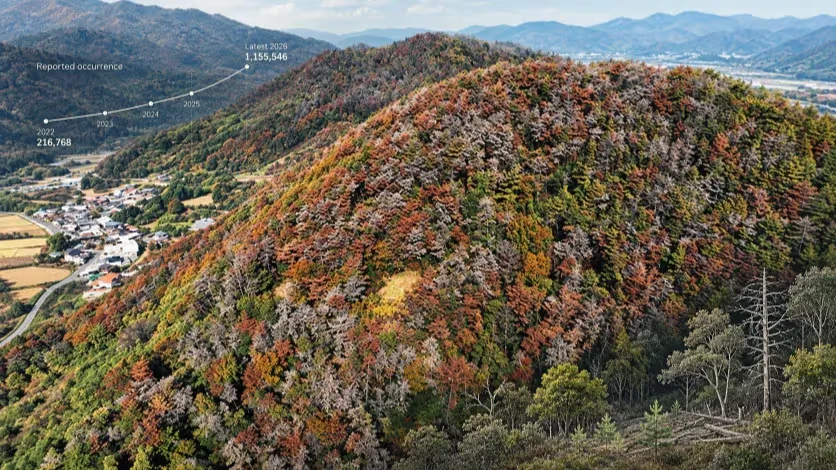 NewsSep 30, 2026
Gyeongnam’s Pine-Wilt Surge Is Forcing a Shift From Tree Removal to Forest Management
Gyeongnam’s pine-wilt outbreak has grown beyond a tree-removal problem. As re...
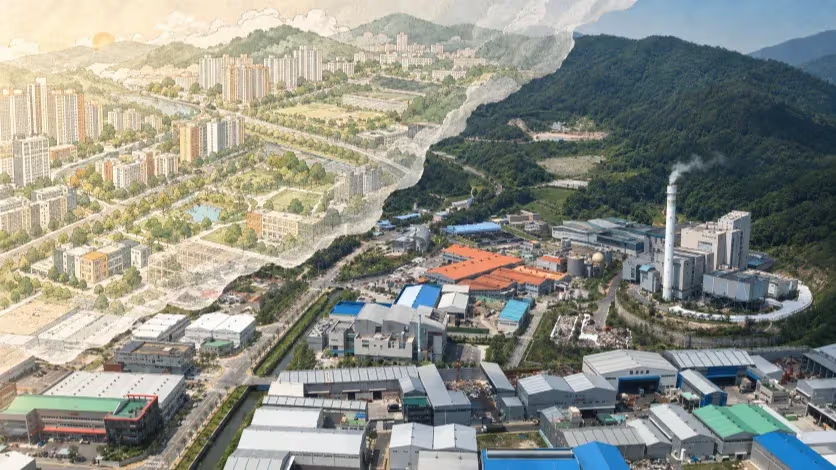 NewsSep 22, 2026
Busan Is Growing Westward as Its Waste Infrastructure Stays Put
Busan’s proposed Saenggok incinerator has moved from 800 to 500 tons a day. T...
 NewsAug 17, 2026
What South Korea’s 87% Drop in Aquaculture Heat Losses Really Measures
South Korea reported an 87 percent drop in aquaculture losses from high water...
More from the author
More from this byline
Stay with the same line of reporting through more work from this byline.
 NewsOct 9, 2026
Why “Busan Is Good” Falls Short as a City Brand
 NewsSep 18, 2026
The Other AI Race Is for the Freedom to Change Course
Reader Signal
Community readWhat did this report leave you with?
Choose the signal that best reflects your reading. Select it again to remove it.
One response per article
No response selected
A moderated conversation about the reporting.
One-level replies and newsroom moderation keep the conversation anchored to this article.
Discussion Status
Open
Please sign in to join the discussion.
Newsletter
Weekly reporting and context from Busan and Korea.