Cultural Perceptions of Kamala Harris’s Body Language
The 2024 presidential debate between Kamala Harris and Donald Trump sparked a significant conversation, not only for the policy points raised but also for the candidates' nonverbal communication. Harris, in particular, drew attention for her expressive body language and facial reactions. While these behaviors were seen as confident and assertive by some, others perceived them as theatrical or insincere. This divide becomes even more intriguing when we examine how such actions might be perceived

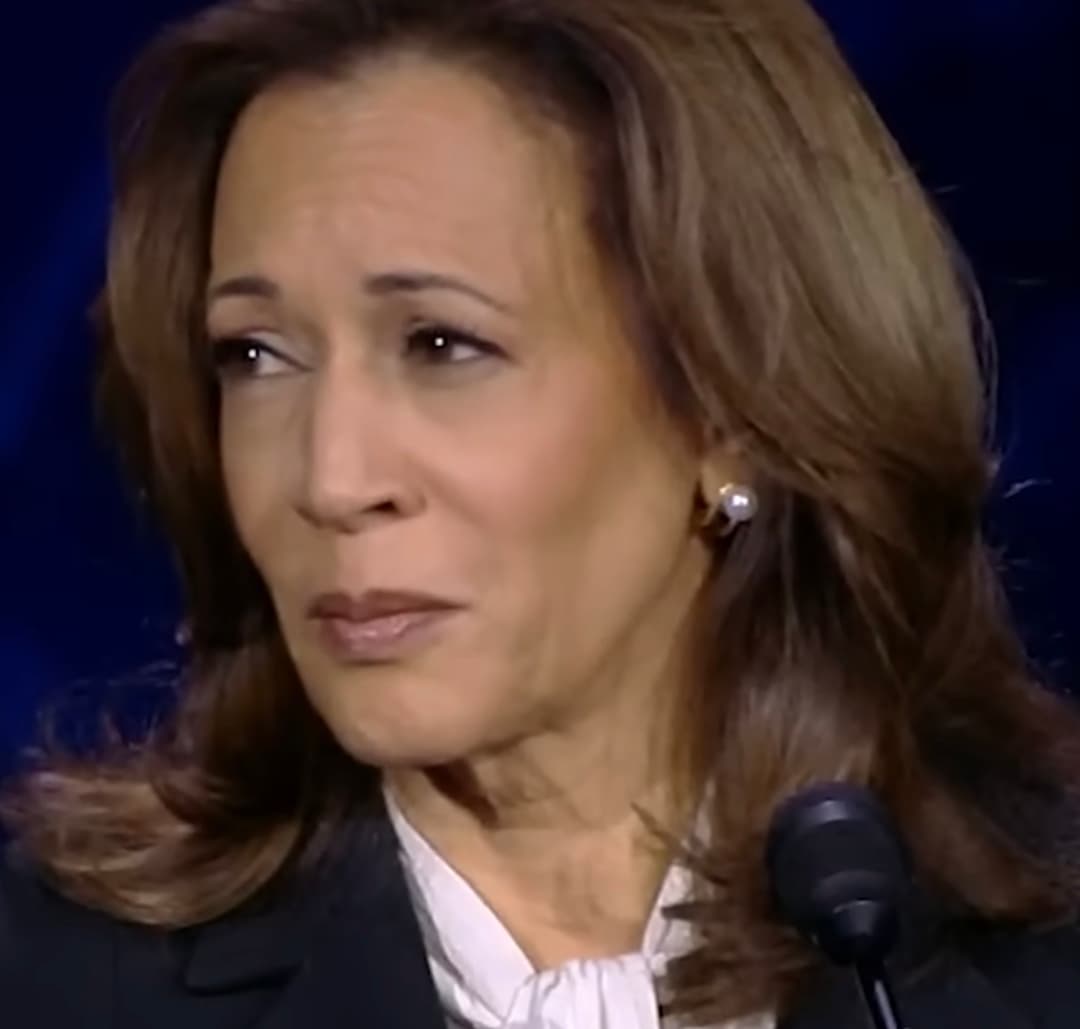
The 2024 presidential debate between Kamala Harris and Donald Trump sparked a significant conversation, not only for the policy points raised but also for the candidates' nonverbal communication. Harris, in particular, drew attention for her expressive body language and facial reactions. While these behaviors were seen as confident and assertive by some, others perceived them as theatrical or insincere. This divide becomes even more intriguing when we examine how such actions might be perceived across different cultures, particularly in places like Korea, where leadership demeanor is judged by distinct standards.
Harris’s Expressive Body Language: Assertive or Overdone?
Kamala Harris’s debate style was characterized by frequent laughter, dramatic facial expressions, and open displays of disbelief, particularly when responding to accusations from Donald Trump. For instance, when Trump labeled her a "Marxist," Harris responded by placing her hand on her chin with a look of incredulity. To many viewers, this was a clear display of confidence, signaling her refusal to be rattled by Trump’s attacks. However, critics argued that her frequent laughter and expressions were exaggerated and detracted from her credibility as a serious leader.
In the U.S., political candidates are often expected to connect with voters on an emotional level. Harris’s expressiveness might be interpreted as a strength by American voters who appreciate authenticity in their leaders. Polling data suggests that American voters, particularly younger audiences, tend to favor leaders who are relatable and open in their emotions. This mirrors previous elections where candidates who displayed openness and expressiveness, such as Barack Obama, fared well with the public.
However, in Korea, where political leaders are expected to exhibit calmness and composure, such open emotional displays might be perceived as immature or unprofessional. Korean political culture emphasizes authenticity and consistency in a leader’s behavior. Excessive emotional displays could be seen as theatrical and detract from a politician's perceived trustworthiness and seriousness. The emphasis on emotional restraint, rooted in Confucian traditions, often means that subtlety and self-control are valued over overt displays of emotion.
A Deliberate Strategy or Emotional Display?
During the debate, Harris initiated a handshake with Trump, a move that seemed deliberate and calculated to assert her confidence and civility. This move, catching Trump slightly off guard, was widely seen as a power play to project unity and dominance. However, there were also moments early in the debate where Harris displayed visible signs of nervousness, such as tension in her neck and throat, which body language experts noted could undermine her overall image of confidence.
On the other hand, Trump maintained a more stoic appearance, with his signature lip-pursing becoming evident when Harris pressed him on sensitive issues. Unlike Harris, Trump avoided direct eye contact with her for much of the debate, which some interpreted as a sign of discomfort. Others viewed it as a calculated effort to maintain control and avoid being thrown off balance. For international audiences, particularly in Korea, Trump's restrained demeanor might align more closely with cultural expectations of dignity and self-restraint in leadership.
Political Perceptions: Korea vs. U.S.
The way political candidates are perceived can differ significantly between Korea and the U.S., reflecting deeper psychological and cultural differences in leadership expectations.
- Korean Perspective: In Korea, the ideal political leader is expected to exhibit composure, emotional control, and maturity. These values are deeply embedded in Confucian principles, where leaders are seen as figures of moral integrity and stability. Harris’s expressive style—whether her laughter or her dramatic gestures—might be interpreted as lacking the decorum expected of a high-ranking politician. Korean voters might view such behavior as 가식적 (gasikjeok)—insincere or performative—and as a potential weakness in leadership ability.
- American Perspective: In contrast, American voters often appreciate politicians who express emotion and connect with their audience on a personal level. Harris’s use of open expressions, such as her direct gaze and laughter, could be interpreted as a strength, showing her confidence and readiness to confront her opponent. In the U.S., emotional transparency can be seen as a sign of authenticity, especially in an era where political figures are expected to be more relatable. However, even in the U.S., critics have raised concerns that Harris’s behavior seemed too calculated or inauthentic, showing that even within the same culture, perceptions can be divided.
This divergence in perception highlights a key psychological difference between the two cultures: while Americans might value relatability and openness, Koreans tend to prioritize steadiness and emotional control in their leaders. These differences shape the public’s expectations of political figures and how they interpret behavior during high-stakes events like debates.
Historical Comparisons in Political Debates
Harris’s debate performance invites comparison to other female politicians who have faced similar scrutiny for their nonverbal communication. For instance, Hillary Clinton’s body language was often analyzed during her debates, with critics accusing her of appearing too “cold” or “calculating.” In contrast, male politicians like Barack Obama or Joe Biden were often praised for their more relaxed and confident demeanor. These gendered expectations play a significant role in how body language is interpreted.
Similarly, in Korea, political figures like former President Park Geun-hye, who was known for her stoic demeanor, were expected to maintain composure at all times. Any deviation from this standard, particularly for female leaders, is seen as a sign of weakness. This historical context helps explain why Harris’s expressive behavior might be interpreted so differently across cultures.
Expert Insights on Body Language
Experts in nonverbal communication, such as psychologists and body language analysts, have weighed in on Harris’s debate performance. Some argue that her gestures, including her frequent laughter, were deliberate attempts to disarm Trump and project confidence. However, others suggest that these behaviors could backfire, particularly with audiences who value emotional restraint in their leaders. Body language expert Joe Navarro, for example, noted that excessive expressions can sometimes be interpreted as defensive mechanisms, signaling discomfort or a lack of authenticity.
From a gender perspective, women in leadership roles often face a double bind: they are expected to be both assertive and approachable, yet are criticized if they appear too emotional or too cold. Harris’s body language reflects this balancing act, where her attempts to connect emotionally with the audience might have been misinterpreted as insincere.
Media and Public Reactions
The role of the media in shaping public perception cannot be understated. In the U.S., media outlets with different political leanings presented contrasting narratives of Harris’s performance. Conservative outlets were more likely to frame her behavior as overly theatrical, while liberal media emphasized her assertiveness and ability to stand up to Trump. On social media, viral moments from the debate, particularly Harris’s laughter, sparked widespread discussion, with some praising her confidence and others accusing her of acting unprofessionally.
Internationally, media coverage, particularly in Korea, has focused more on the contrast between Harris’s emotional expressiveness and Trump’s more subdued demeanor, further illustrating the cultural differences in leadership expectations.
Kamala Harris’s debate performance highlights the complexities of political communication in a globalized world. Her expressive body language, while effective in connecting with some American voters, could be perceived as overly theatrical or insincere in cultures like Korea, where composure and restraint are prized. The psychological differences between American and Korean expectations of leadership underscore how nonverbal communication can be interpreted in vastly different ways.
As global audiences continue to engage with American political events, understanding these cultural nuances will become increasingly important. Harris’s debate style, while suited to certain contexts, illustrates the challenges faced by politicians who must navigate diverse expectations in an interconnected world.
Continue this reporting
Reporting on the same issue
Related coverage selected from the article's desk, topics and newsroom relationships.
 NewsSep 5, 2026
How a Political Appointment Becomes a Judgment of Character
What Yong Hye-in’s nomination reveals about political representation, fairnes...
 NewsMay 14, 2026
When Inequality Sounds Fair
In South Korea, fairness is used to challenge inherited privilege and defend...
 NewsJan 16, 2026
Do We Even Know What We Want Anymore?
Selection pressure in algorithmic environments resembles evolutionary dynamic...
More from the author
More from this byline
Stay with the same line of reporting through more work from this byline.
 NewsOct 9, 2026
Why “Busan Is Good” Falls Short as a City Brand
 NewsSep 18, 2026
The Other AI Race Is for the Freedom to Change Course
Reader Signal
Community readWhat did this report leave you with?
Choose the signal that best reflects your reading. Select it again to remove it.
One response per article
No response selected
A moderated conversation about the reporting.
One-level replies and newsroom moderation keep the conversation anchored to this article.
Discussion Status
Open
Please sign in to join the discussion.
Newsletter
Weekly reporting and context from Busan and Korea.