The Socioeconomic Shift and South Korea's Fertility Crisis: A Comprehensive Analysis of Gender Dynamics and the Need for Change
In recent years, South Korea has faced a sharp decline in birth rates, leading to a so-called "fertility crisis." As policymakers scramble to find solutions, it is vital to examine the impact of the rapid socioeconomic shift on gender roles and expectations in the country. In this in-depth analysis, we argue that addressing the disparity in gender dynamics is crucial in tackling the fertility crisis. We will explore South Korea's historical context, the factors contributing to the changing gende


In recent years, South Korea has faced a sharp decline in birth rates, leading to a so-called "fertility crisis." As policymakers scramble to find solutions, it is vital to examine the impact of the rapid socioeconomic shift on gender roles and expectations in the country. In this in-depth analysis, we argue that addressing the disparity in gender dynamics is crucial in tackling the fertility crisis. We will explore South Korea's historical context, the factors contributing to the changing gender dynamics, and the role of education, workplace policies, and societal attitudes in resolving the fertility crisis.
I. Historical Context of South Korea's Gender Dynamics
Traditional Gender Roles
South Korea's history has been marked by patriarchal norms, with men serving as breadwinners and women relegated to domestic roles. This dynamic was typical of underdeveloped, primarily agrarian societies where women were often dependent on men. However, as South Korea's economy flourished, more women joined the workforce and gained access to information, recognizing the inequality and abusive behaviors they had previously accepted.
Confucianism and Gender Expectations
The influence of Confucianism in South Korea has played a significant role in shaping gender expectations. Confucianism emphasizes the importance of hierarchical relationships, with men traditionally having authority over women. This philosophy has had a profound impact on South Korean society, with women expected to be submissive and fulfill their roles as wives and mothers.
The Economic Miracle and Its Impact on Women
South Korea's rapid economic growth, known as the "Miracle on the Han River," transformed the country from a war-torn, impoverished nation to a global economic powerhouse within a few decades. This economic transformation significantly impacted women's lives, as they entered the workforce and gained access to education, information, and financial independence. However, the deeply ingrained patriarchal attitudes have persisted, creating tensions between men's and women's expectations and experiences.
II. Factors Contributing to Changing Gender Dynamics
Women's Increasing Participation in the Workforce
As women joined the workforce, they gained financial independence, leading to a reevaluation of traditional gender roles. The increasing number of working women challenged the notion of men as the sole breadwinners and opened up new opportunities for women to contribute to their families financial well-being.
Rising Educational Attainment
Over the past few decades, South Korea has experienced a rapid increase in educational attainment for both men and women. With higher levels of education, women have become more aware of their rights and the need for gender equality. This shift has led to an increased demand for greater representation and opportunities in various spheres of life, including the workplace, politics, and society at large.
Exposure to Global Influences
Globalization has exposed South Korean society to new ideas and values, including gender equality and women's empowerment. Through international travel, education, and media, South Koreans have become more aware of the importance of gender equality and the need to challenge traditional gender norms.
III. The Role of Education, Workplace Policies, and Societal Attitudes in Addressing the Fertility Crisis
Education
Promoting gender equality through education is critical in changing societal attitudes and fostering a more inclusive society. By introducing gender studies and promoting awareness of gender issues in schools, students can develop a better understanding of the importance of gender equality and its impact on society.
Workplace Policies
Flexible work arrangements, parental leave policies, and gender-neutral expectations in the workplace are essential in enabling men and women to balance their professional and personal lives. By adopting such policies, employers can create a more inclusive work environment and encourage both men and women to share caregiving and breadwinning responsibilities.
Societal Attitudes
Changing societal attitudes towards gender roles is vital in addressing the fertility crisis. Encouraging open dialogue about gender equality, raising awareness about the benefits of shared caregiving and breadwinning responsibilities, and promoting the importance of men's involvement in childcare can help create a more balanced society. Efforts to challenge and change traditional gender expectations should be supported by the government, media, and civil society.
IV. Potential Solutions to South Korea's Fertility Crisis
Government Policies and Incentives
The government plays a crucial role in addressing the fertility crisis by implementing policies and incentives that promote gender equality and support families. These may include subsidized childcare, housing assistance for young couples, and financial incentives for families with children. Additionally, the government should actively promote equal opportunities for men and women in the workplace, addressing the gender pay gap and supporting women's career advancement.
Addressing the Work-Life Balance Conundrum
To encourage higher fertility rates, there must be a focus on improving work-life balance for both men and women. This includes reducing the long working hours culture prevalent in South Korea, promoting flexible work arrangements, and ensuring that both parents have access to parental leave. Creating a supportive environment for working parents will help ease the burden of family planning and childcare responsibilities, which may lead to increased fertility rates.
Promoting Gender Equality in the Home
Addressing the fertility crisis also requires a shift in household dynamics, with both partners sharing domestic and caregiving responsibilities. This can be achieved through public campaigns that emphasize the importance of men's involvement in childcare and the benefits of equal partnership in the home. Furthermore, providing education and support to new parents on the value of shared parenting can help challenge traditional gender norms and promote a more balanced family life.
Final thoughts
South Korea's fertility crisis is deeply intertwined with the changing gender dynamics brought about by rapid socioeconomic shifts. Tackling this crisis requires a comprehensive approach that addresses the underlying gender inequalities and promotes a more balanced society. By focusing on education, workplace policies, and societal attitudes, along with implementing supportive government policies and incentives, South Korea can begin to reverse its declining birth rates and create a more inclusive, egalitarian future for its citizens.
Continue this reporting
Reporting on the same issue
Related coverage selected from the article's desk, topics and newsroom relationships.
 NewsOct 9, 2026
Why “Busan Is Good” Falls Short as a City Brand
“Busan Is Good” now reaches public transport, city institutions and local bus...
 NewsSep 18, 2026
The Other AI Race Is for the Freedom to Change Course
Korea’s HBM strength gives it unusual leverage inside the AI stack. The harde...
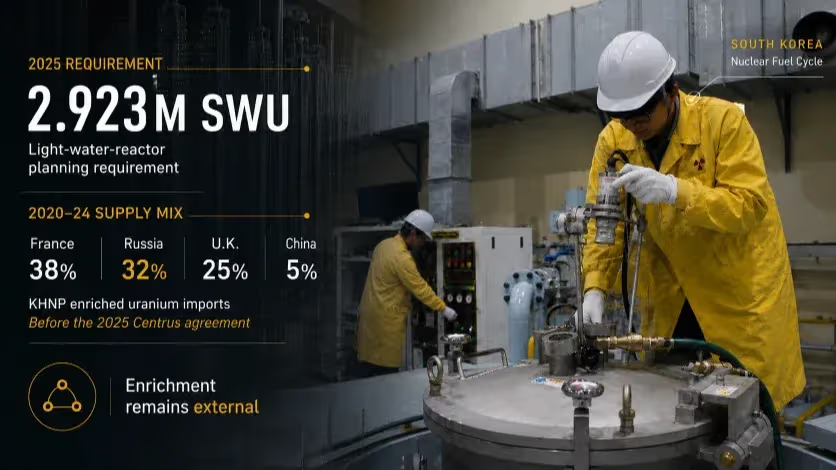 NewsAug 27, 2026
South Korea Has Outgrown Washington’s Nuclear Rules
The U.S. once constrained South Korea’s nuclear fuel cycle over real prolifer...
More from the author
More from this byline
Stay with the same line of reporting through more work from this byline.
- NewsOct 9, 2026
Why “Busan Is Good” Falls Short as a City Brand
- NewsSep 18, 2026
The Other AI Race Is for the Freedom to Change Course
Reader Signal
Community readWhat did this report leave you with?
Choose the signal that best reflects your reading. Select it again to remove it.
One response per article
No response selected
A moderated conversation about the reporting.
One-level replies and newsroom moderation keep the conversation anchored to this article.
Discussion Status
Open
Please sign in to join the discussion.
Newsletter
Weekly reporting and context from Busan and Korea.