Controversy Over Busan's Gudeok Stadium Redevelopment
The redevelopment of Busan's Gudeok Stadium has ignited a fierce debate, drawing sharp criticism from local residents and civic groups. At the heart of the controversy is the city's plan to replace the historic sports facility with high-rise apartments, a move perceived by many as prioritizing commercial interests over community needs. Despite the city's attempt to scale down the project, the opposition remains resolute, arguing that the revised plan still fails to address their fundamental conc

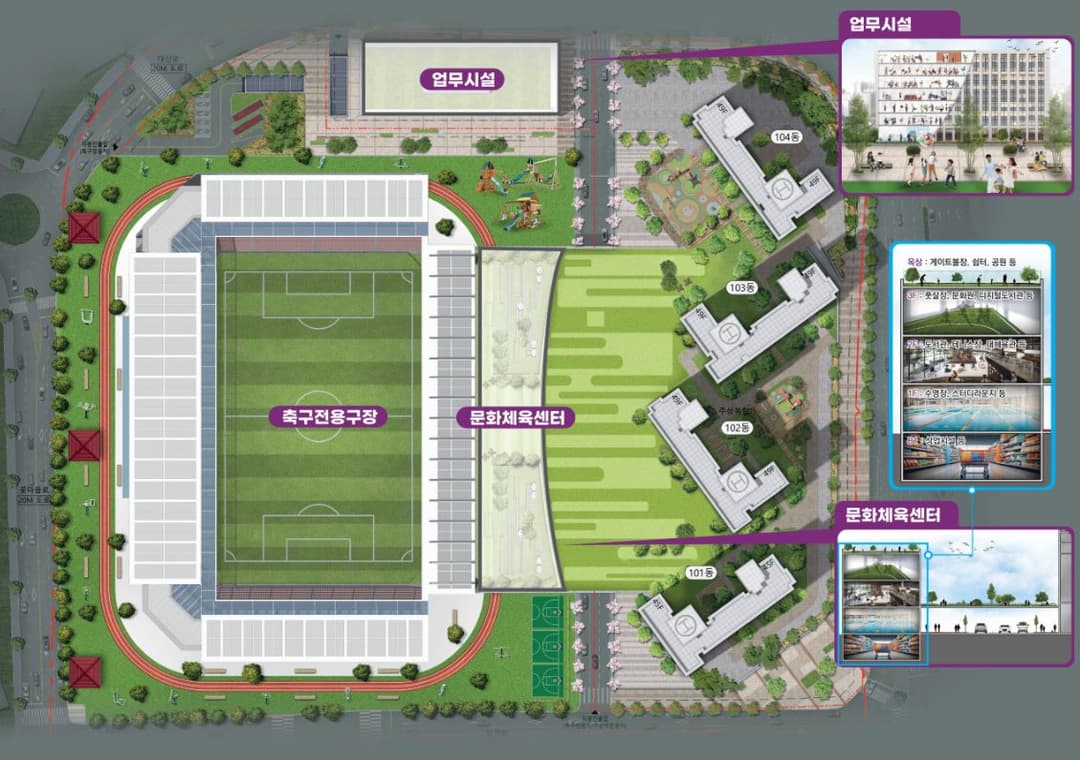
The redevelopment of Busan's Gudeok Stadium has ignited a fierce debate, drawing sharp criticism from local residents and civic groups. At the heart of the controversy is the city's plan to replace the historic sports facility with high-rise apartments, a move perceived by many as prioritizing commercial interests over community needs. Despite the city's attempt to scale down the project, the opposition remains resolute, arguing that the revised plan still fails to address their fundamental concerns.
Busan city officials have defended the redevelopment, citing the need to modernize the outdated stadium and provide new housing and amenities. However, residents see this as a thinly veiled attempt to capitalize on public land for private gain. The original proposal, which included 850 apartment units in 49-story buildings, was met with substantial backlash. In response, the city reduced the plan to 600 units in 36-story buildings, but critics argue that this concession is insufficient and disingenuous.
Civic groups like the Busan Environmental Council have been vocal in their opposition, highlighting that the plan undermines the public utility of the space. They assert that the primary goal should be enhancing the area's recreational and cultural facilities, not erecting high-rise apartments. The criticism extends to the city's broader urban development strategy, questioning the commitment to creating a "15-minute city" where essential services are accessible within a short distance for all residents.
As the debate continues, the residents' association and civic groups are ramping up their efforts to halt the project entirely. Protests, public forums, and the threat of invoking the resident recall system underscore the intensity of their opposition. The outcome of this conflict will significantly influence not only the future of Gudeok Stadium but also the broader principles guiding urban development in Busan.
The Origins of the Gudeok Stadium Redevelopment Plan
The redevelopment project for Gudeok Stadium in Busan has been a contentious issue since its inception. Initially, the city proposed a comprehensive redevelopment plan aimed at modernizing the aging stadium and transforming the surrounding area into a vibrant urban hub. The original plan included the construction of a 15,000-seat soccer-specific stadium, cultural and sports facilities, commercial spaces, and residential apartments. This ambitious project was part of Busan's broader strategy to revitalize its urban spaces and address housing needs.
The initial proposal, which included 850 apartment units in 49-story buildings, was designed to maximize the use of the available space and provide a significant boost to the local housing market. The project was projected to cost 799 billion won and was seen by city officials as a necessary step to modernize the outdated stadium and surrounding infrastructure.
However, this proposal was met with immediate and substantial backlash from local residents and civic groups. Critics argued that the plan prioritized commercial and residential development over the preservation of public space and community facilities. They contended that the focus on high-rise apartments was a misguided attempt to capitalize on public land, rather than enhancing the area’s recreational and cultural value.
In response to the growing opposition, the city government announced a revised plan in August 2024. This revised plan reduced the number of apartment units to 600 and scaled back the buildings to 36 stories. The project cost was also adjusted downwards to 664.1 billion won. Despite these changes, the core elements of the redevelopment, including the construction of high-rise apartments, remained intact.
Residents Reject Superficial Changes to Redevelopment Plan
Despite the city's efforts to adjust the redevelopment plan, local residents have remained resolute in their opposition. The Gudeok Stadium Apartment Opposition Residents' Association has been vocal about their dissatisfaction, asserting that the city's revised plan is a superficial change that does not address their fundamental concerns.
One of the primary objections from the residents is that the reduction in the number of apartment units and the height of the buildings is inadequate. While the city reduced the number of units from 850 to 600 and the height from 49 stories to 36, residents argue that this is still a significant increase from the original proposal of 530 units. They view this reduction as a token gesture that fails to make meaningful changes to the project, which they believe prioritizes commercial interests over public needs.
Furthermore, many residents believe that the redevelopment plan misuses public land. They argue that the Gudeok Stadium area should be preserved and enhanced as a public space for sports and recreation, rather than being transformed into a high-rise residential complex. This sentiment is rooted in the community's desire to maintain and improve public amenities rather than convert them into private residential areas.
The opposition also highlights that the community's needs are being overlooked. The neighborhood, they argue, requires more communal spaces such as parks, sports facilities, and cultural centers, not additional high-rise apartments. The reduction in green space and public recreational facilities is a significant concern, as these amenities are vital for the well-being and quality of life of the residents.
To express their opposition, residents have organized various actions, including protests and public demonstrations. On August 7, the Gudeok Stadium Apartment Opposition Residents' Association held a candlelight vigil demanding the complete cancellation of the apartment construction. This protest underscored the community's strong discontent with the redevelopment plan.
Additionally, the residents have conducted petition and signature campaigns to demonstrate the widespread opposition within the community. In June, the association gathered signatures from over 20,000 residents opposing the redevelopment plan, reflecting the deep-rooted dissatisfaction with the city's approach.
The residents have also threatened to invoke the resident recall system if their demands are not met. This system allows residents to initiate a recall vote for elected officials if a significant percentage of the electorate supports it. The association has specifically targeted Mayor Park Hyung-joon and Seo-gu District Mayor Gong Han-su, accusing them of disregarding public sentiment and pushing forward with the redevelopment despite strong opposition.
The persistence of the opposition highlights the deep-rooted concerns about urban development policies that seemingly prioritize commercial interests over community welfare. The residents' resistance is not just about the scale of the redevelopment but also about the broader implications for how public spaces are utilized and who benefits from such projects.
Critique of Urban Planning
The ongoing controversy over the redevelopment of Busan's Gudeok Stadium reveals significant flaws in the city's urban planning approach. Despite attempts to modify the project in response to public outcry, the city has failed to genuinely address the core concerns of residents and civic groups. The persistent opposition underscores a broader issue: the city's tendency to prioritize commercial interests and high-rise development over the preservation and enhancement of public spaces.
The residents' and civic groups' criticisms are rooted in the belief that the redevelopment plan represents a misuse of public land. Instead of converting a historic and communal sports facility into high-rise apartments, the city should focus on enhancing recreational and cultural amenities that benefit the broader community. The reduction in green spaces and public facilities in favor of residential units reflects a disconnect between the city's development strategies and the actual needs and desires of its residents.
Furthermore, the city's handling of the Gudeok Stadium project highlights a lack of transparency and genuine community engagement in the planning process. Despite organizing public forums and consultations, the city appears to have made decisions with insufficient regard for the residents' feedback. This approach has fostered mistrust and intensified opposition, as evidenced by the threats to invoke the resident recall system and the ongoing protests.
Busan's urban planning strategy must shift towards a more inclusive and community-centered approach. The concept of a "15-minute city" touted by civic groups, where essential services and amenities are accessible within a short distance, should be at the heart of the city's development plans. Ensuring that redevelopment projects prioritize public well-being, green spaces, and cultural facilities over commercial gains is crucial for creating a livable and sustainable urban environment.
The Gudeok Stadium redevelopment controversy serves as a stark reminder of the need for better urban planning practices in Busan. The city's leaders must recognize the value of preserving public spaces and genuinely incorporate community input into their plans. Only through such an approach can Busan achieve balanced development that respects both its residents' needs and its historical and cultural heritage.
Continue this reporting
Reporting on the same issue
Related coverage selected from the article's desk, topics and newsroom relationships.
 NewsOct 9, 2026
Why “Busan Is Good” Falls Short as a City Brand
“Busan Is Good” now reaches public transport, city institutions and local bus...
 NewsSep 18, 2026
The Other AI Race Is for the Freedom to Change Course
Korea’s HBM strength gives it unusual leverage inside the AI stack. The harde...
 NewsAug 27, 2026
South Korea Has Outgrown Washington’s Nuclear Rules
The U.S. once constrained South Korea’s nuclear fuel cycle over real prolifer...
More from the author
More from this byline
Stay with the same line of reporting through more work from this byline.
- NewsOct 9, 2026
Why “Busan Is Good” Falls Short as a City Brand
- NewsSep 18, 2026
The Other AI Race Is for the Freedom to Change Course
Reader Signal
Community readWhat did this report leave you with?
Choose the signal that best reflects your reading. Select it again to remove it.
One response per article
No response selected
A moderated conversation about the reporting.
One-level replies and newsroom moderation keep the conversation anchored to this article.
Discussion Status
Open
Please sign in to join the discussion.
Newsletter
Weekly reporting and context from Busan and Korea.