Busan’s DOMOHEON Cultural Space Surpasses 300,000 Visitors
Busan’s DOMOHEON, once a mayoral residence, has drawn over 300,000 visitors in under a year—now a thriving public space of gardens, culture, and history.

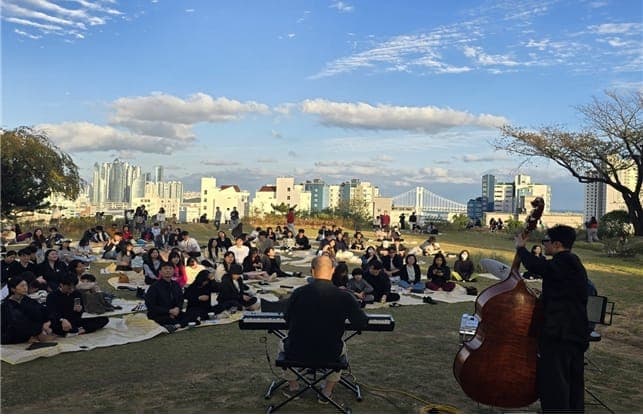
Busan, South Korea — It hasn’t been a full year since its reopening, yet DOMOHEON—once the official residence of Busan’s mayor—has quietly become one of the city’s most talked-about public spaces. What was once closed to citizens for over 40 years now welcomes them daily. More than 300,000 have already stepped through its gates.
The transformation began with a simple idea: to reimagine a space of authority as a place for people. Architect Choi Wook led the redesign, careful to preserve the structure’s original lines by Kim Joong-up, a figure central to Korea’s architectural modernism. What stands today is not so much a monument as it is an invitation—to pause, to reflect, and to gather.
Numbers tell part of the story. By July 2025, the site had drawn nearly 296,000 visitors. A daily average exceeding 1,300. The initial target—200,000 in a year—was quietly surpassed months ago. There was no aggressive marketing. People simply came, told others, and returned.
At its heart lies the SoSoPoong Garden, a living tapestry of nearly 48,000 plants across more than 250 species. It’s been named Busan’s first “Living Garden,” though the title barely captures its character. There are open lawns, shaded paths, a pond framed by native foliage, and spaces shaped more by feeling than form. Wooden decks and simple benches offer places to stop, not just to see but to stay.
Yet DOMOHEON is more than greenery. On any given week, one might find a philosophy lecture in the afternoon, a jazz performance near dusk, or a guided tour tracing the building’s layered past. Programs like Busan School and Busan Storybring local voices forward—artists, teachers, entrepreneurs—each adding their own tone to the space. The events are free. So is admission.
A shuttle runs from Namcheon Station every 30 minutes. There's a café on-site, shared work areas, and rooms for exhibitions or small gatherings. It's open six days a week, closed on Mondays and holidays. Nothing here feels rushed. Even the schedule breathes.
Come September, DOMOHEON marks its first year with new additions: a digital media façade telling the story of the site, a refreshed lounge area, and talks from invited speakers. Plans are also underway for a celebration once the 400,000th visitor arrives—likely sooner rather than later.
For Busan’s mayor, Park Heong-joon, the numbers are less important than what they represent. “It’s not just attendance,” he said recently. “It means the space now lives within the daily rhythm of people’s lives.”
In a city balancing history and rapid change, DOMOHEON offers a slower, steadier kind of presence. It doesn’t demand attention. It earns it—quietly, with intention, and over time.
Continue this reporting
Reporting on the same issue
Related coverage selected from the article's desk, topics and newsroom relationships.
 NewsSep 28, 2026
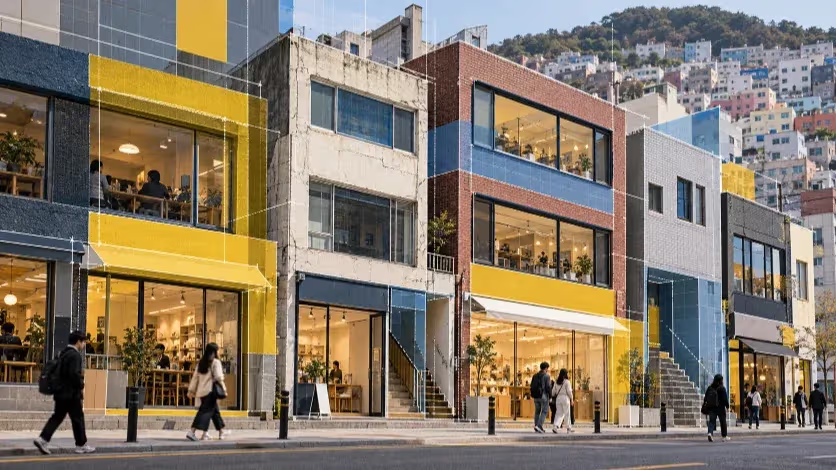
Why Some Commercial Space in Busan Is Hard to Reuse
Two empty commercial spaces exposed to the same broader economy can have very...
 NewsSep 20, 2026
What It Takes for U.S. Navy Repair Work to Become a Busan Industry
HJ Shipbuilding has brought U.S. Navy maintenance work to Yeongdo. Whether it...
 NewsSep 17, 2026
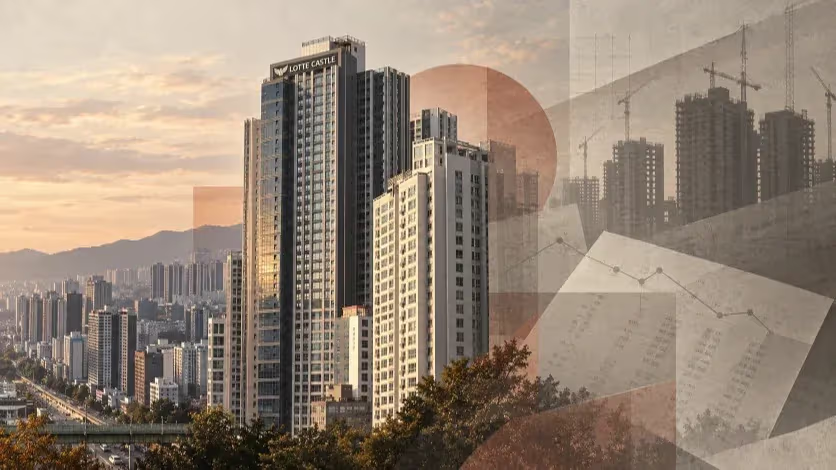
Busan’s Finished Homes, Unfinished Projects
Busan’s unsold homes sit in one monthly total, but they belong to very differ...
More from the author
More from this byline
Stay with the same line of reporting through more work from this byline.
 NewsApr 23, 2026
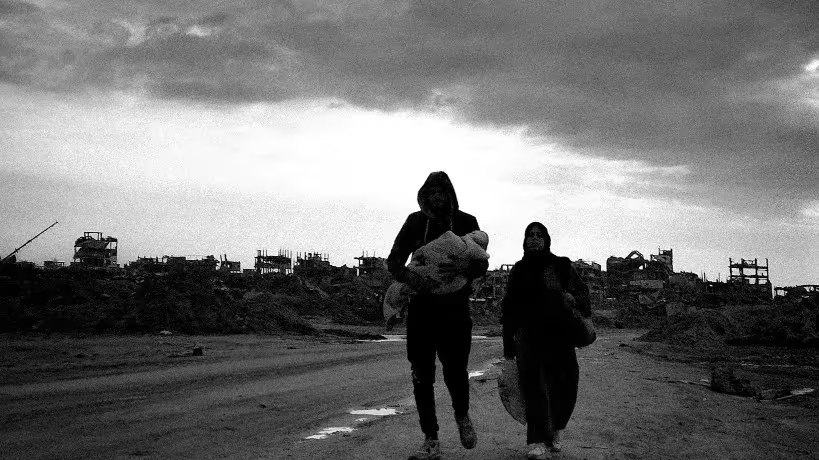
Gaza photo exhibition opens at Busan’s Arise Art Space
 NewsNov 10, 2025
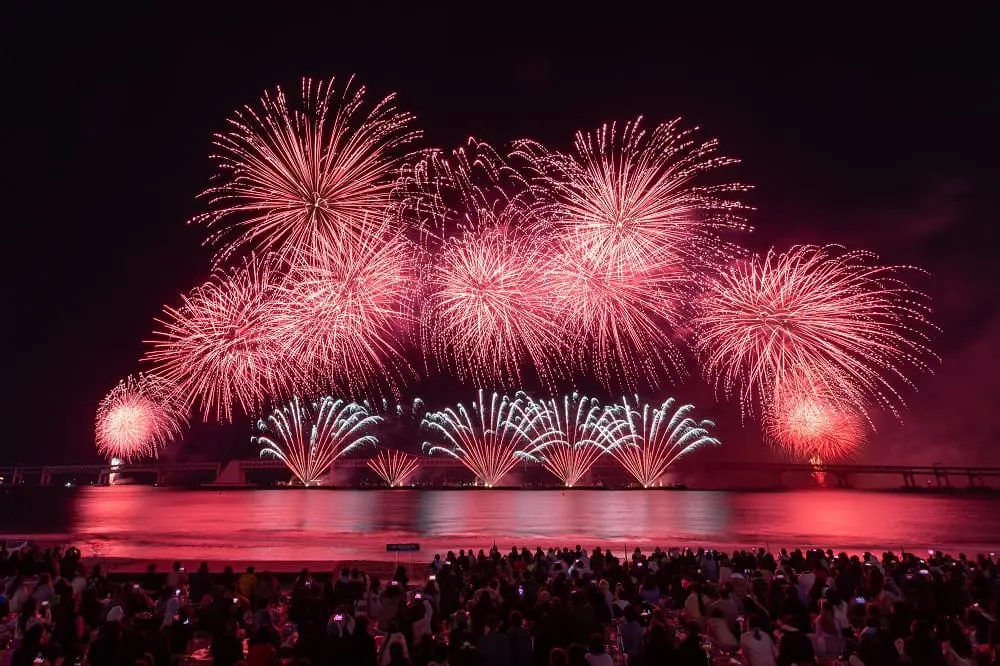
Busan Fireworks Festival Marks 20 Years With Expanded Show
Reader Signal
Community readWhat did this report leave you with?
Choose the signal that best reflects your reading. Select it again to remove it.
One response per article
No response selected
A moderated conversation about the reporting.
One-level replies and newsroom moderation keep the conversation anchored to this article.
Discussion Status
Open
Please sign in to join the discussion.
Newsletter
Weekly reporting and context from Busan and Korea.