South Korea Commemorates 45th Anniversary of Buma Uprising
Changwon, South Korea— South Korea held a commemorative ceremony for the 45th anniversary of the Buma Democratic Uprising at the Busan City Hall Auditorium under the theme, "The Flame of Buma, Beyond the Era." This annual event, officially recognized as a national memorial day since 2019, pays tribute to the 1979 protests against the authoritarian Yushin regime, a pivotal moment in South Korea’s democratization history. The Buma Uprising began on October 16, 1979, when students at Pusan Nationa
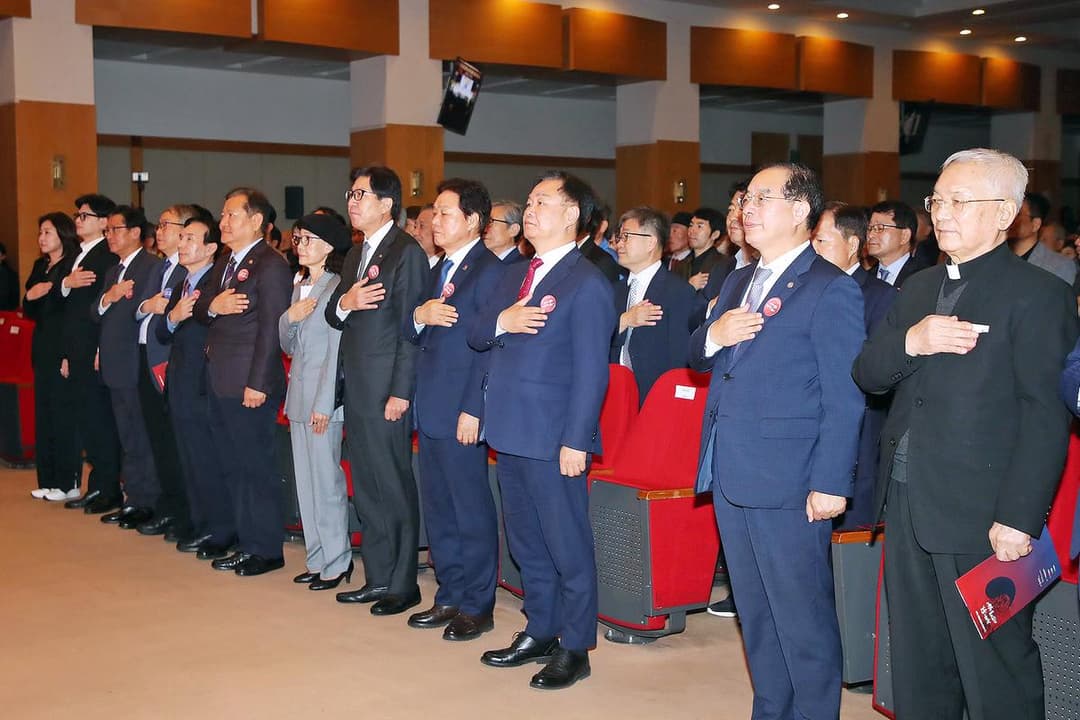
Changwon, South Korea— South Korea held a commemorative ceremony for the 45th anniversary of the Buma Democratic Uprising at the Busan City Hall Auditorium under the theme, "The Flame of Buma, Beyond the Era." This annual event, officially recognized as a national memorial day since 2019, pays tribute to the 1979 protests against the authoritarian Yushin regime, a pivotal moment in South Korea’s democratization history.
The Buma Uprising began on October 16, 1979, when students at Pusan National University initiated demonstrations demanding the end of President Park Chung-hee's Yushin Constitution. The protests quickly spread from Busan to nearby Masan, involving tens of thousands of citizens. The government responded with martial law, deploying the military, leading to the arrest and detention of many protestors.
The uprising played a crucial role in South Korea's democratic movement, preceding President Park's assassination on October 26, 1979, by Kim Jae-gyu, the head of the Korean Central Intelligence Agency. This event marked the end of Park's nearly 18-year rule and set the stage for further democratization efforts, including the Gwangju Uprising in 1980 and the June Democratic Struggle in 1987.
This year’s ceremony, the sixth official government commemoration, featured the attendance of key figures, including Interior and Safety Minister Lee Sang-min, Busan Mayor Park Heong-joon, Gyeongsangnam-do Governor Park Wan-su, and Changwon Mayor Hong Nam-pyo. Over 500 people, including former participants in the uprising, their families, civic groups, and students, gathered to honor the legacy of the Buma movement.
The event opened with a performance by the Saha District Children's Choir and included a musical reenactment titled "1979: Fragments of Memory," depicting the spirit and struggle of the original protests. Singer Yoon Sun-ae concluded the ceremony with performances of "Sol-a Sol-a Pureureun Sol-a" and "When the Day Comes," stirring the audience with songs emblematic of the struggle for democracy.
Minister Lee emphasized the importance of passing down the values of the Buma Uprising to younger generations, stating, “As we commemorate the 45th anniversary, we must ensure that the spirit of the Buma Democratic Uprising continues to live in the hearts of the next generation.” Similarly, Mayor Park Heong-joon highlighted Busan’s central role in South Korea’s broader struggle for democracy and freedom.
The Buma Democratic Uprising is widely regarded as one of the key democratization movements in South Korea's history, alongside the April 19 Revolution, the May 18 Gwangju Uprising, and the June Struggle. The event's recognition as a national memorial day reflects its importance in shaping the democratic values that guide South Korea today.
Continue this reporting
Reporting on the same issue
Related coverage selected from the article's desk, topics and newsroom relationships.
 NewsDec 3, 2025
Sacheon Hosts the Space Agency, but Seoul Still Makes the Decisions
Korea placed its headquarters in the south, but authority, engineering and la...
 NewsJun 27, 2025
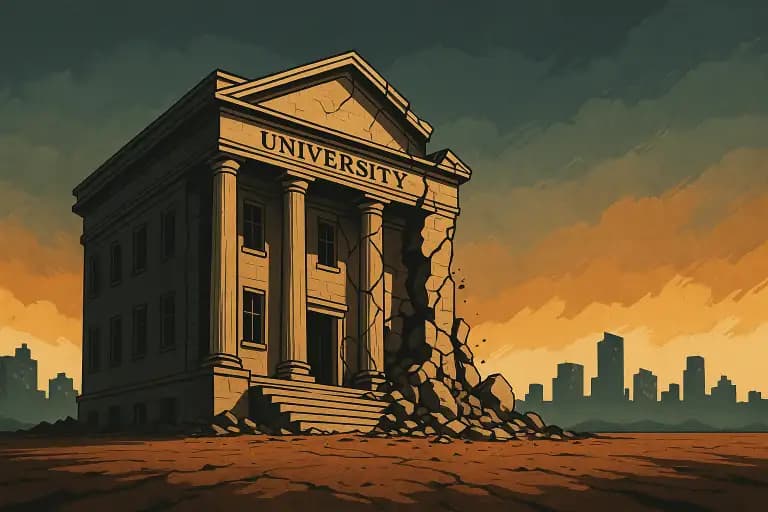
Foreign Students Trapped in Korea’s Failing Universities
Foreign students arrive in Korea expecting opportunity—but many find empty ca...
 NewsJun 2, 2025
Talk Talk Korea 2025 Opens for Global Creators
The Talk Talk Korea 2025 competition opens its doors to global creators, offe...
More from the author
More from this byline
Stay with the same line of reporting through more work from this byline.
 NewsSep 18, 2026
The Other AI Race Is for the Freedom to Change Course
 NewsSep 5, 2026
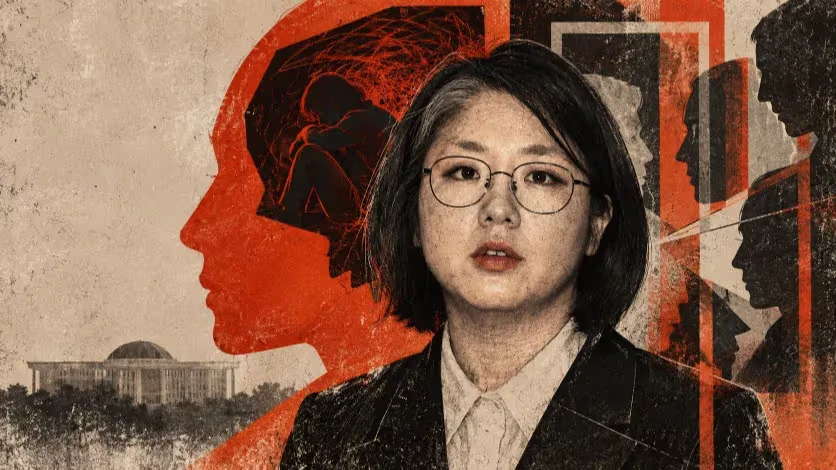
How a Political Appointment Becomes a Judgment of Character
Reader Signal
Community readWhat did this report leave you with?
Choose the signal that best reflects your reading. Select it again to remove it.
One response per article
No response selected
A moderated conversation about the reporting.
One-level replies and newsroom moderation keep the conversation anchored to this article.
Discussion Status
Open
Please sign in to join the discussion.
Newsletter
Weekly reporting and context from Busan and Korea.