How Busan Can Tackle Its Escalating Feral Dog Problem
On a chilly morning in January 2024, a jogger in Busan Citizen’s Park was startled by a growl from the bushes. Moments later, a feral dog lunged, leaving the jogger with serious injuries and raising alarms about the escalating issue of free-roaming dogs in the city. The incident is not an isolated one. Across Busan, from the wooded trails of Geumjeongsan to the bustling streets near Taejongdae, encounters with feral and stray dogs are becoming alarmingly common, endangering lives, livelihoods, a

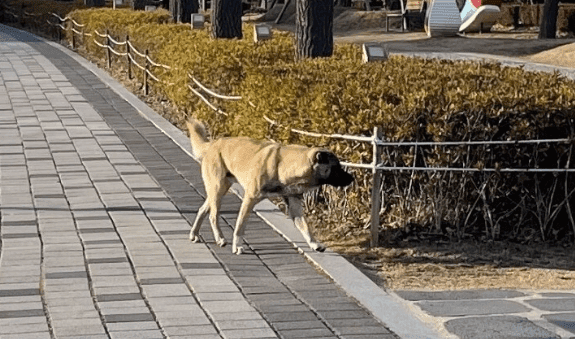
On a chilly morning in January 2024, a jogger in Busan Citizen’s Park was startled by a growl from the bushes. Moments later, a feral dog lunged, leaving the jogger with serious injuries and raising alarms about the escalating issue of free-roaming dogs in the city. The incident is not an isolated one. Across Busan, from the wooded trails of Geumjeongsan to the bustling streets near Taejongdae, encounters with feral and stray dogs are becoming alarmingly common, endangering lives, livelihoods, and the local ecosystem.
This growing crisis, while fueled by pet abandonment and insufficient control measures, is deeply intertwined with Busan’s unique geography and societal challenges. To address it effectively, a nuanced understanding of the animals involved—specifically the distinction between feral and stray dogs—is essential.
The terms "feral dogs" and "stray dogs" are often used interchangeably, but they describe two distinct types of animals with vastly different behaviors and implications. Feral dogs, often the product of generations of life without human contact, exhibit wild instincts. They form packs, avoid humans, and survive through hunting or scavenging. In contrast, stray dogs are typically abandoned or lost pets that retain a level of dependence on human environments. These dogs are more likely to approach humans for food and can often be rehabilitated and rehomed.
Busan’s dog population blurs these lines. In the city’s dense urban centers, stray dogs scavenge through garbage and linger near parks, cautiously interacting with humans. Meanwhile, in the mountainous areas, packs of feral dogs roam freely, exhibiting behaviors that closely mirror those of wild predators. This duality complicates management strategies, as solutions effective for strays may fail for feral populations and vice versa.
Busan’s unique topography amplifies the problem. The city’s lush mountains and sprawling urban areas create the perfect breeding ground for both feral and stray dogs. Remote green spaces, such as Geumjeongsan, provide ideal shelter and hunting grounds for feral dogs. Here, they can avoid human interference, hunt small animals, and scavenge from farms on the outskirts. Meanwhile, urban environments offer ample waste and scraps for stray dogs, enabling them to survive and even thrive in the city.
This geographical interplay makes Busan a microcosm of South Korea’s broader free-roaming dog issue. The challenge lies in addressing a problem that spans both the wild and urban worlds, with each requiring tailored strategies.
The consequences of this issue are felt across multiple dimensions. Public safety is a growing concern, with hikers reporting close calls on mountain trails and residents in urban parks fearing attacks. Such encounters highlight the unpredictable nature of feral dogs, whose wild instincts often manifest as aggression when they feel threatened.
The economic toll is equally significant. Farmers near Busan’s outskirts recount stories of livestock lost to dog attacks. “They came in the night, and by morning, three goats were gone,” one farmer lamented, noting that repeated attacks have made livestock rearing increasingly untenable.
Beyond immediate human concerns, the ecological impact is profound. Research, including Matthew E. Gompper’s "Is Wildlife Going to the Dogs?", highlights how feral dogs disrupt local ecosystems. In Busan, they prey on small mammals, compete with native predators, and potentially spread diseases, threatening biodiversity in protected areas like Taejongdae.
Lessons from Research
Tackling this complex issue requires a multi-faceted approach informed by global research and tailored to Busan’s unique circumstances. Sterilization programs, as highlighted in "Assessing the Impact of Free-Roaming Dog Population Management", offer a humane and effective way to curb population growth. Expanding such programs in Busan, particularly through mobile units targeting hard-to-reach feral populations, could yield significant results.
Accurate data is another critical tool. Studies like "Population Estimation Methods for Free-Ranging Dogs" emphasize the need for reliable population monitoring. In Busan, deploying drones and GPS tagging could provide a clearer picture of the scale and distribution of the problem, enabling more targeted interventions.
Public engagement also plays a vital role. Campaigns to promote responsible pet ownership and discourage abandonment can address the root causes of the issue. Insights from "The Effectiveness of Dog Population Management" demonstrate that community involvement enhances the success of population control measures, fostering a sense of shared responsibility.
Finally, protecting Busan’s ecosystems demands collaboration between local governments, environmental organizations, and researchers. Proactive measures to safeguard native species from the predatory behaviors of feral dogs align with global best practices and reinforce the city’s commitment to environmental stewardship.
The people of Busan hold diverse views on how to address the issue. Some, like farmers and hikers, call for immediate and decisive action to protect their livelihoods and safety. Others, particularly animal welfare advocates, emphasize the importance of humane approaches such as catch-neuter-release (CNR) programs. Balancing these perspectives requires a delicate mix of empathy, pragmatism, and evidence-based decision-making.
Busan’s challenge is emblematic of a larger struggle faced by cities worldwide: finding sustainable solutions to human-wildlife conflicts that respect both human needs and animal welfare. By leveraging its resources and community, Busan has the opportunity to not only resolve its free-roaming dog crisis but also set a standard for urban wildlife management across South Korea.
The feral and stray dog populations in Busan are more than a local nuisance; they are a reflection of systemic issues in pet ownership, urban planning, and ecological management. Addressing this crisis demands a nuanced, research-backed approach that accounts for the distinct characteristics of feral and stray dogs. With decisive action and community collaboration, Busan can turn this challenge into an opportunity to lead in humane and effective urban wildlife management.
Continue this reporting
Reporting on the same issue
Related coverage selected from the article's desk, topics and newsroom relationships.
 NewsOct 16, 2026
What Is Still Worth Going to See?
Busan’s biennale faces questions of artistic judgment and institutional care....
 NewsOct 14, 2026
What Became of Busan’s University Streets?
From 2015 to 2023, registered businesses grew near Pusan National University...
 NewsOct 12, 2026
Bukangi, the Shark That Stayed in Busan’s North Port
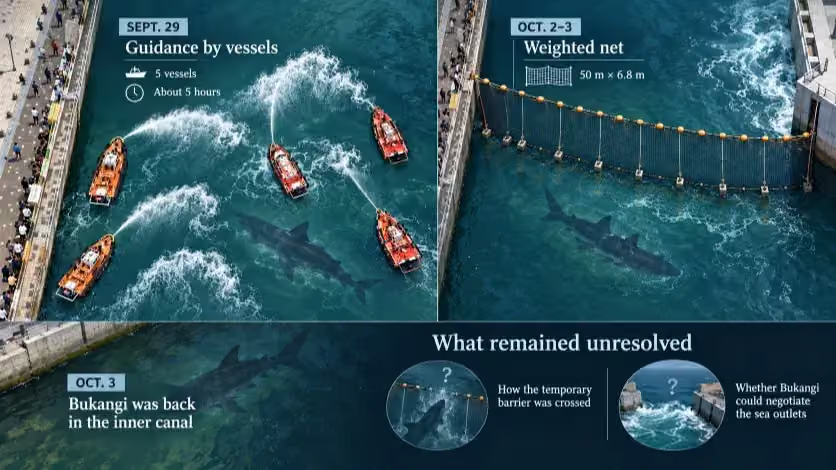
A rescue net guided Bukangi toward the sea, but the dusky shark returned to B...
More from the author
More from this byline
Stay with the same line of reporting through more work from this byline.
 NewsOct 9, 2026
Why “Busan Is Good” Falls Short as a City Brand
 NewsSep 18, 2026
The Other AI Race Is for the Freedom to Change Course
Reader Signal
Community readWhat did this report leave you with?
Choose the signal that best reflects your reading. Select it again to remove it.
One response per article
No response selected
A moderated conversation about the reporting.
One-level replies and newsroom moderation keep the conversation anchored to this article.
Discussion Status
Open
Please sign in to join the discussion.
Newsletter
Weekly reporting and context from Busan and Korea.