Eco Delta City: A Dream of Modern Urban Living Faces Harsh Realities
Busan, South Korea - Eco Delta City, the ambitious urban development project in Busan's Gangseo-gu district, is grappling with a series of significant challenges. This sprawling smart city initiative, intended to be a paragon of futuristic urban planning, has encountered numerous obstacles that highlight broader issues in national urban development policies. One of the most pressing concerns is the severe soil and groundwater contamination discovered at the site. Investigations have revealed th

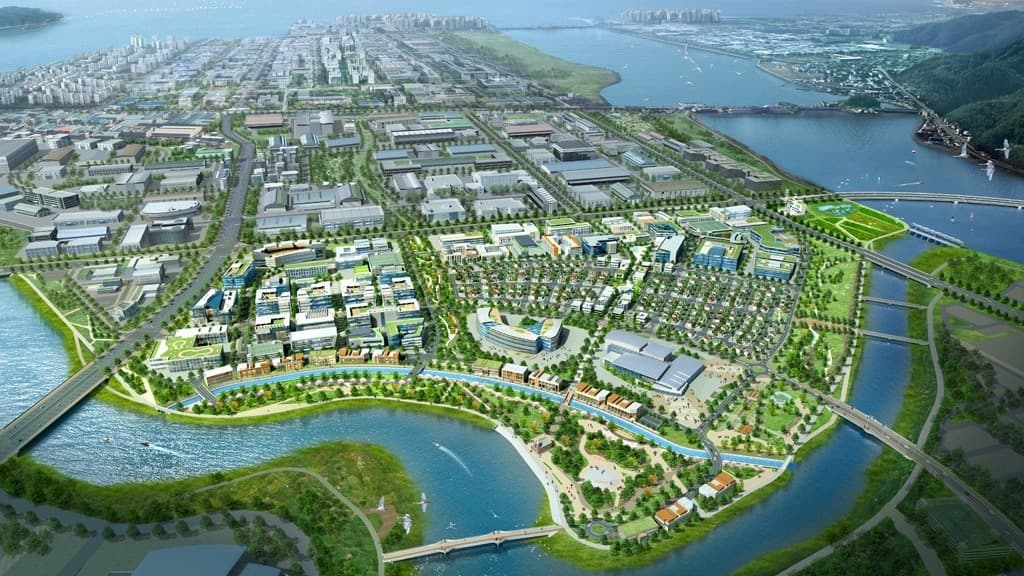
Busan, South Korea - Eco Delta City, the ambitious urban development project in Busan's Gangseo-gu district, is grappling with a series of significant challenges. This sprawling smart city initiative, intended to be a paragon of futuristic urban planning, has encountered numerous obstacles that highlight broader issues in national urban development policies.
One of the most pressing concerns is the severe soil and groundwater contamination discovered at the site. Investigations have revealed that pollution levels exceed standard limits by up to 240 times, with hazardous substances such as benzene and xylene posing serious health risks. This alarming discovery has sparked criticism of the environmental impact assessments conducted prior to the commencement of the project. The delayed response from the authorities to these findings further exacerbates concerns about the adequacy of environmental safeguards in place.
The financial viability of Eco Delta City is another major concern. The withdrawal of Bando E&C from the project, citing risk management issues related to soaring raw material prices and financial burdens, has raised red flags about the economic stability of the initiative. Such financial instability mirrors broader uncertainties in similar urban projects across the country, leading to doubts about the long-term sustainability of Eco Delta City. The escalating costs and market conditions pose significant risks to the project's completion and future success.
Despite its branding as a smart city, Eco Delta City has faced significant challenges in implementing key smart infrastructure. The integration of home network systems, crucial for creating truly smart homes, has been inadequate. Only a small percentage of residential units meet the high standards required for smart infrastructure, undermining the city's claim as a model of smart urban living.
Moreover, the project's vulnerability to flooding has raised additional concerns. Effective flood management requires sophisticated infrastructure and planning, areas where the city currently falls short. With the increasing frequency of extreme weather events, the existing measures may not be sufficient to fully protect the city and its residents.
The emphasis on commercial development within Eco Delta City raises the risk of market saturation. Similar to issues faced by the Myeongji International New City, there is a potential for numerous vacant commercial spaces, which could detract from the economic vitality of the area.
Additionally, the large-scale development has sparked resistance from local residents. Concerns about changes in their living environment and the potential displacement or marginalization of existing communities have been voiced. Initial phases of construction have been criticized for inadequate public consultation and failure to address community needs, leading to social tensions and dissatisfaction.
The success of Eco Delta City hinges on effectively addressing environmental, financial, and infrastructural challenges. The heavy regulations and government oversight required for private firms to develop their ideas within the project have been significant barriers to innovation. A more flexible governance system is essential to foster innovation and ensure the successful implementation of smart city initiatives.
The strategy involves constructing extensive infrastructure such as roads, railways, and parks before land is sold to private construction companies. Critics claim that this model often leads to the enrichment of private developers at taxpayers' expense. The substantial initial investment in infrastructure can result in massive financial losses if the subsequent development fails to attract sufficient residents and businesses. A scholarly analysis has highlighted that the smart city concept in Eco Delta City emerged from complex actor-relations rather than a straightforward top-down policy. This complexity has led to delays and financial instability, showcasing the risks involved in such large-scale projects.
One of the most striking issues with Eco Delta City is its transformation into what some have called a "ghost town." Despite significant investments in infrastructure, many areas remain underdeveloped or unoccupied. Pre-built roads and pedestrian pathways, intended to support a bustling urban area, are now overgrown with weeds, creating an eerie, abandoned atmosphere. This premature infrastructure development, without ensuring immediate or near-term occupancy, has led to wasted resources and raised questions about the efficiency and planning of such projects. Critics argue that the top-down approach to urban planning in Eco Delta City, with infrastructure built in anticipation of demand, has resulted in financial inefficiencies and a lack of sustainable development.
The development of Eco Delta City underscores significant challenges in government-led urban planning strategies. The model of establishing infrastructure before ensuring demand has led to financial inefficiencies and the phenomenon of ghost towns. Addressing these issues requires a more balanced and consultative approach, ensuring environmental safeguards, financial viability, and community involvement from the outset. For future projects, a more flexible governance system that adapts to local contexts and involves stakeholders in the planning process is essential to avoid the pitfalls observed in Eco Delta City.
Continue this reporting
Reporting on the same issue
Related coverage selected from the article's desk, topics and newsroom relationships.
 NewsOct 16, 2026
What Is Still Worth Going to See?
Busan’s biennale faces questions of artistic judgment and institutional care....
 NewsOct 14, 2026
What Became of Busan’s University Streets?
From 2015 to 2023, registered businesses grew near Pusan National University...
 NewsOct 12, 2026
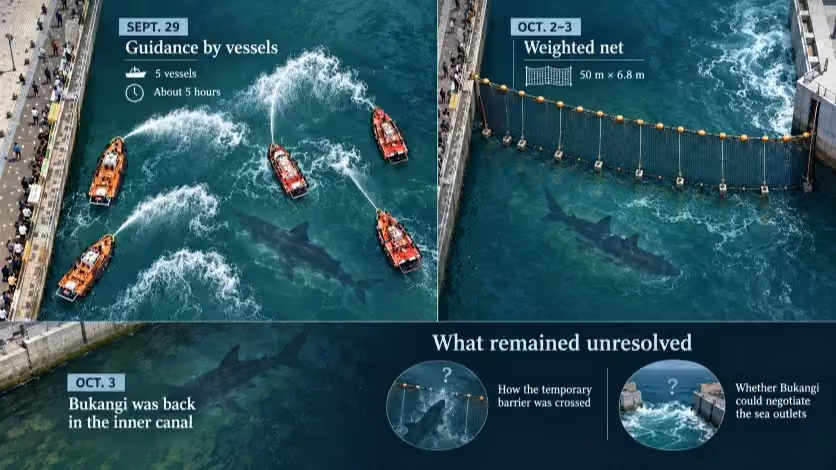
Bukangi, the Shark That Stayed in Busan’s North Port
A rescue net guided Bukangi toward the sea, but the dusky shark returned to B...
More from the author
More from this byline
Stay with the same line of reporting through more work from this byline.
 NewsOct 9, 2026
Why “Busan Is Good” Falls Short as a City Brand
 NewsSep 18, 2026
The Other AI Race Is for the Freedom to Change Course
Reader Signal
Community readWhat did this report leave you with?
Choose the signal that best reflects your reading. Select it again to remove it.
One response per article
No response selected
A moderated conversation about the reporting.
One-level replies and newsroom moderation keep the conversation anchored to this article.
Discussion Status
Open
Please sign in to join the discussion.
Newsletter
Weekly reporting and context from Busan and Korea.