Busan Tackles Abandoned Houses with Innovative Solutions
Busan, South Korea - Faced with a growing number of vacant houses scattered across its neighborhoods, Busan City has unveiled a comprehensive plan to tackle this pressing urban challenge. The "Busan-style Vacant House Redevelopment Strategy," announced during the 47th Emergency Economic Meeting on November 21, outlines a bold vision to address urban decay and transform abandoned properties into vibrant community spaces. The strategy, spearheaded by Mayor Park Heong-joon, focuses on innovative h

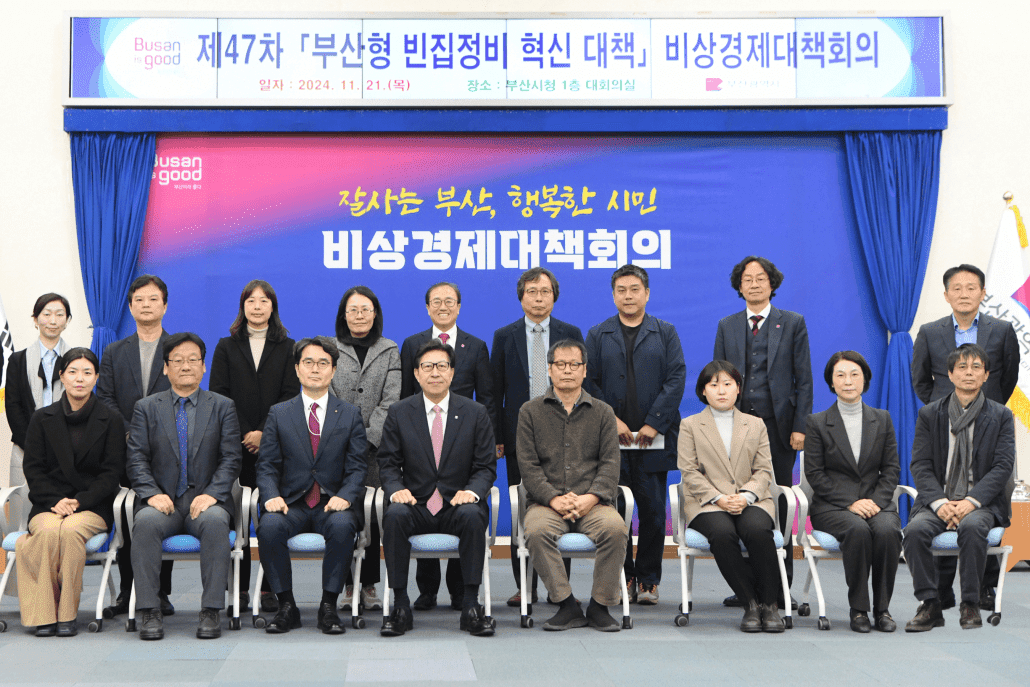
Busan, South Korea - Faced with a growing number of vacant houses scattered across its neighborhoods, Busan City has unveiled a comprehensive plan to tackle this pressing urban challenge. The "Busan-style Vacant House Redevelopment Strategy," announced during the 47th Emergency Economic Meeting on November 21, outlines a bold vision to address urban decay and transform abandoned properties into vibrant community spaces.
The strategy, spearheaded by Mayor Park Heong-joon, focuses on innovative hillside housing developments, enhanced funding for demolition and remodeling, and a new monitoring system to prevent future vacancies. With an ambitious goal to address over 2,000 vacant homes by 2030, Busan aims to redefine urban regeneration and set a model for sustainable development.
Vacant houses are a growing concern in Busan, particularly in hillside neighborhoods where access is difficult, and infrastructure is outdated. Many of these homes have historical roots dating back to the post-Korean War period, when Busan became a refuge for displaced populations. During this time, informal housing quickly sprouted across the city’s mountainous terrain, providing shelter but lacking proper urban planning or long-term infrastructure.
Over the decades, these areas have seen their populations dwindle due to factors such as declining birth rates, aging demographics, and the growing preference for modern apartment complexes. Many homes, once full of life, now stand abandoned, their steep paths and narrow alleys deterring redevelopment efforts.
The effects of these vacant houses are widespread. They pose safety risks, attract illegal dumping, and lower property values. For the city, the financial burden of maintaining or demolishing these properties strains resources, while the neighborhoods around them suffer from reduced aesthetic appeal and economic stagnation.
Recognizing the urgency of the situation, Busan has been addressing vacant houses for over a decade. Initiatives such as the "Sunlight Nest" program, which converted abandoned homes into affordable rentals, have laid the groundwork for this latest and most ambitious effort yet.
Busan's redevelopment strategy reflects a bold and comprehensive approach to revitalizing neighborhoods plagued by vacant houses, with a focus on turning challenges into opportunities for growth. A significant component of the plan involves increasing the city’s budget for demolition and remodeling efforts. Starting in 2025, demolition support per property will more than double, rising from KRW 14 million to KRW 29 million. This financial boost is expected to accelerate progress, enabling the city to address over 2,000 vacant homes by 2030.
One of the standout features of the strategy is its focus on transforming hillside neighborhoods, which have long been overlooked due to their challenging terrain. Busan plans to introduce "Busan-style hillside residential complexes," developments that will integrate global design concepts while catering to local needs. These complexes aim to redefine urban livability by turning previously inaccessible areas into thriving residential hubs.
To prevent future vacancies, Busan is also implementing a predictive monitoring system known as the "Vacant House SOS Index." This system will analyze demographic trends and utility usage to identify properties at risk of becoming abandoned, allowing the city to intervene early and minimize long-term issues.
The strategy is guided by ambitious goals for both the short and long term. By 2025, the city aims to demolish or remodel 180 properties and convert at least four vacant houses into community spaces. Looking ahead to 2030, the plan targets the transformation of 2,000 vacant homes and the repurposing of 50 properties into public assets, such as libraries, parks, and cultural centers. These initiatives underscore Busan’s commitment to turning abandoned spaces into valuable resources that enhance the quality of urban life.
Smarter Solutions for Busan
While Busan’s strategy outlines a clear framework for tackling the vacant house crisis, additional measures could further enhance the city’s ability to meet its goals. Among these, improving transportation accessibility and incorporating modular housing into redevelopment plans could significantly elevate the impact and feasibility of the city’s initiatives.
Incorporating urban agriculture into hillside redevelopment projects could provide both economic and environmental benefits. Vacant spaces and rooftops in these neighborhoods can be transformed into community gardens, shared greenhouses, or small-scale rooftop farms. These additions not only encourage local engagement but also enhance the aesthetic appeal of the area, fostering a sense of community among residents while promoting sustainable practices.
Accessibility remains a critical barrier to revitalizing Busan’s hillside areas. To address this, Busan could develop an integrated public transportation system that combines subway lines with innovative cable car networks. By linking hillside neighborhoods to existing subway stations, the city can create a seamless, linear transit system that overcomes the limitations of steep and narrow pathways.
Cable cars offer multiple advantages: they are eco-friendly, cost-effective to operate, and capable of navigating difficult terrain where traditional road infrastructure cannot. Residents in these neighborhoods would gain better access to jobs, schools, and public services, effectively bridging the gap between isolated hillside areas and the city’s core. Furthermore, this integrated system could attract tourists, providing panoramic views of Busan’s unique topography while serving practical daily needs.
To address the challenge of redeveloping areas with limited space and steep terrain, modular housing can play a pivotal role. These prefabricated homes can be quickly assembled in difficult-to-access areas, reducing construction time and costs compared to traditional methods. Modular housing is also highly customizable, allowing for designs that blend seamlessly with the environment while meeting diverse housing needs.
By introducing modular homes in hillside neighborhoods, Busan can offer modern, affordable housing options tailored to younger generations. These units could feature eco-friendly elements such as solar panels and rainwater harvesting systems, aligning with the city’s sustainability goals. Additionally, community-focused layouts could include shared spaces for co-working, leisure, or small businesses, fostering a sense of connection among residents.
To make these neighborhoods appealing to younger generations, Busan could implement additional tax breaks and subsidies for first-time buyers or families relocating to redeveloped areas. For instance, affordable rental options or lease-to-own programs for modular housing units could lower the entry barriers for young professionals and entrepreneurs. Shared amenities such as community centers, co-working hubs, and green spaces would further enhance the attractiveness of these revitalized neighborhoods.
By integrating subway lines with cable car networks, implementing modular housing solutions, and fostering urban agriculture, Busan can significantly amplify the effectiveness of its redevelopment strategy. These complementary ideas not only address the challenges of accessibility and housing but also enhance the city’s sustainability and community cohesion efforts. Combined with the city’s official plans, these measures could transform vacant hillside areas into vibrant, livable, and economically dynamic communities, setting a global benchmark for innovative urban regeneration.
Continue this reporting
Reporting on the same issue
Related coverage selected from the article's desk, topics and newsroom relationships.
 NewsOct 16, 2026
What Is Still Worth Going to See?
Busan’s biennale faces questions of artistic judgment and institutional care....
 NewsOct 14, 2026
What Became of Busan’s University Streets?
From 2015 to 2023, registered businesses grew near Pusan National University...
 NewsOct 12, 2026
Bukangi, the Shark That Stayed in Busan’s North Port
A rescue net guided Bukangi toward the sea, but the dusky shark returned to B...
More from the author
More from this byline
Stay with the same line of reporting through more work from this byline.
 NewsOct 9, 2026
Why “Busan Is Good” Falls Short as a City Brand
 NewsSep 18, 2026
The Other AI Race Is for the Freedom to Change Course
Reader Signal
Community readWhat did this report leave you with?
Choose the signal that best reflects your reading. Select it again to remove it.
One response per article
No response selected
A moderated conversation about the reporting.
One-level replies and newsroom moderation keep the conversation anchored to this article.
Discussion Status
Open
Please sign in to join the discussion.
Newsletter
Weekly reporting and context from Busan and Korea.