Busan North Port Redevelopment Under Scrutiny: Promises vs. Reality
In Busan, having failed to attract the Expo, a major redevelopment project at North Port was poised to transform the old industrial waterfront into a vibrant commercial and residential hub, heralded to become a benchmark for global urban redevelopment. Launched with high expectations, the project gained notable attention when President Yoon Suk-yeol declared his commitment to making it a "world-class success story" during a town meeting in February. However, a recent audit by the Board of Audit

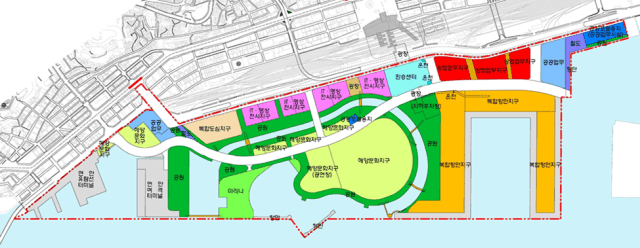
In Busan, having failed to attract the Expo, a major redevelopment project at North Port was poised to transform the old industrial waterfront into a vibrant commercial and residential hub, heralded to become a benchmark for global urban redevelopment. Launched with high expectations, the project gained notable attention when President Yoon Suk-yeol declared his commitment to making it a "world-class success story" during a town meeting in February. However, a recent audit by the Board of Audit and Inspection has cast a long shadow over the ambitious plans, revealing a series of critical missteps and oversight issues. The findings not only question the feasibility and integrity of the redevelopment efforts but also suggest a troubling lack of accountability in managing one of the nation’s most significant urban projects. As stakeholders seek clarity and officials scramble to address the fallout, the future of Busan North Port hangs in a delicate balance, reflecting a broader challenge of upholding transparency and efficiency in public sector projects.
The Busan North Port redevelopment was not just an infrastructural overhaul but a vision cast to revitalize an aging industrial zone into a bustling epicenter of commerce, culture, and residential life. The project promised to introduce a series of modern facilities, including state-of-the-art hotels, media company headquarters, and sprawling office complexes, directly aligning with South Korea’s strategic goals to boost tourism and enhance urban aesthetics.
Unfortunately, this ambitious project was set against the backdrop of a notable setback — Busan's recent failure to secure the hosting of the Expo. This loss was seen as a critical moment for Busan to pivot and reclaim its forward momentum through successful redevelopment. The North Port project, therefore, was imbued with the hopes of proving Busan's resilience and capacity to innovate despite past disappointments.
Audit Findings: A Cascade of Oversight and Irregularities
The audit conducted by the Board of Audit and Inspection brought to light a series of profound mismanagement and oversight issues that have cast doubt on the integrity of the Busan North Port redevelopment project.
- Unauthorized Plan Changes: It was revealed that after acquiring the redevelopment lands, private contractors deviated significantly from their original proposals. Instead of developing hotels and media offices, the plans shifted toward high-profit residential accommodations and office complexes. This pivot occurred without the necessary approvals, raising concerns about transparency and due process in the project’s execution.
- Neglected Public Contributions: Originally, the project included significant public contribution elements, such as the creation of public spaces and facilities valued at around 10 billion won. However, these were either significantly downsized or scrapped entirely by the developers. The audit criticized the local authorities for approving these changes without proper scrutiny, indicating a failure in safeguarding public interest.
- Misreporting and False Representations: In a glaring instance of mismanagement, the Busan Port Authority was found to have provided false reports regarding the initial project plans. When queried by regulatory bodies, the authority incorrectly asserted that residential accommodations were always intended, despite earlier documents suggesting otherwise.
- Financial Mismanagement and Excessive Costs: The audit uncovered that outdated and incorrect data were used in the project’s cargo handling capacity calculations. This error led to the potential overestimation of required capacities, risking an unnecessary increase in development costs estimated to be around 700 billion won.
- Construction Oversight Lapses: The audit also exposed issues with construction management, particularly the allowance of construction contracts to unregistered builders. This not only breached regulatory compliance but also exposed the project to risks associated with safety and quality standards.
These findings depict a scenario where ambition may have been prioritized over meticulous planning and ethical standards, putting at stake not just millions in public funds but also the anticipated benefits for the community and the regional economy.
The audit conducted by the Board of Audit and Inspection on the Busan North Port redevelopment has unearthed more than just procedural missteps; it has triggered a ripple effect that could reshape public perception and policy regarding large-scale urban developments. The exposure of these issues has severely dented the public's trust in how government-led projects are managed. Such breaches of trust can have long-lasting effects, making citizens wary of future governmental initiatives and questioning the integrity of public administration.
The implications of these findings extend into the corridors of policy-making, necessitating a significant reevaluation of how urban redevelopment projects are governed. The evident lapses in oversight and mismanagement underscore the need for stricter enforcement of planning regulations, enhanced transparency, and a robust oversight mechanism that can act swiftly to catch and rectify errors or unethical practices.
Moreover, the confidence of investors, both local and international, is likely to be shaken. The audit's revelations may lead investors to reassess the risks associated with financing large-scale urban projects in South Korea. For South Korea to maintain a favorable investment climate, it is imperative that it demonstrates a capacity to learn from such setbacks and implement measures that prevent recurrence.
In sum, the Busan North Port project’s audit has unveiled systemic issues that may compel a shift in how such projects are conceptualized, executed, and monitored, ensuring that the lofty goals of urban redevelopment are grounded in rigorous, transparent, and accountable practices.
Future Outlook and Preventive Measures
The local community and civic groups in Busan have expressed significant concern over the audit findings. Public forums and discussions have seen vigorous debates on the implications for the community. There is a strong call for not only addressing the immediate issues but also for ensuring that future projects genuinely reflect the needs and aspirations of the local population. The public’s demand for accountability has been loud and clear, with civic leaders advocating for more substantial community involvement in planning processes.
The fallout from the Busan North Port audit has set a precedent for how urban redevelopment projects will be approached in South Korea. The lessons learned are shaping the strategies that will be crucial in preventing similar issues from reoccurring.
There is a consensus on the need for stronger oversight mechanisms. The government, in collaboration with urban planning experts and regulatory bodies, is expected to develop more stringent monitoring frameworks. These would include regular audits, real-time monitoring of project milestones, and enhanced public reporting to ensure that every phase of a project aligns with its original objectives and compliance requirements.
To improve transparency and accountability, the adoption of new technologies such as blockchain for contract management and AI-driven analytics for project monitoring could be accelerated. These technologies can provide immutable records and predictive insights that help in better managing complexities and scale of large projects.
There is a growing recognition of the importance of involving the community in the redevelopment process. Future projects may see more robust community consultation phases, where feedback from residents and local businesses is actively sought and incorporated into the planning process.
To uplift the standards of project management within governmental bodies, there could be an increased investment in training and development. This would aim to equip project managers and other stakeholders with the skills necessary to manage large-scale developments effectively, focusing on risk management, compliance, and ethical governance.
The legal framework surrounding urban development might be tightened to include penalties for non-compliance that are stringent enough to deter malpractice. This would ensure that all parties involved adhere strictly to the laid down regulations.
By implementing these measures, the authorities hope to restore public confidence and ensure that the redevelopment of urban spaces not only meets aesthetic and commercial objectives but also serves the public good effectively and transparently. The Busan North Port project could yet become the model it was intended to be, albeit through lessons learned the hard way.
Turning Challenges into Opportunities
The audit of the Busan North Port redevelopment project has served as a critical wake-up call, revealing significant oversights that risked the project's success and the public's trust. However, this intense scrutiny also presents a valuable opportunity to refine governance and oversight mechanisms. The proactive measures being implemented demonstrate South Korea's commitment to rectifying past mistakes and establishing new benchmarks in urban redevelopment.
As the project progresses, it will remain under the close watch of both national and international observers. The capacity of Busan to learn from these setbacks and to implement effective reforms will be crucial in shaping its future. By converting these challenges into catalysts for improvement, the Busan North Port can still fulfill its potential to become a flagship of successful urban transformation, symbolizing innovation and transparency.
In this pivotal moment, the future of urban development in Busan—and potentially other regions—rests on a steadfast commitment to transparency, accountability, and community involvement, ensuring that urban transformations deliver widespread benefits.
Continue this reporting
Reporting on the same issue
Related coverage selected from the article's desk, topics and newsroom relationships.
 NewsOct 16, 2026
What Is Still Worth Going to See?
Busan’s biennale faces questions of artistic judgment and institutional care....
 NewsOct 14, 2026
What Became of Busan’s University Streets?
From 2015 to 2023, registered businesses grew near Pusan National University...
 NewsOct 12, 2026
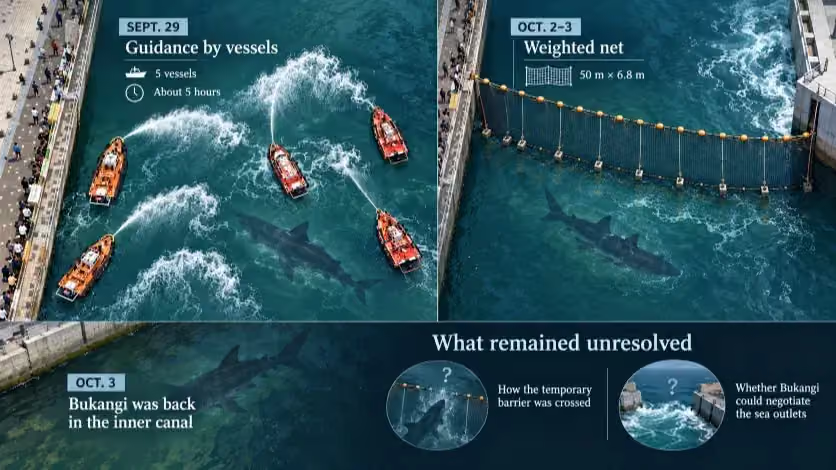
Bukangi, the Shark That Stayed in Busan’s North Port
A rescue net guided Bukangi toward the sea, but the dusky shark returned to B...
More from the author
More from this byline
Stay with the same line of reporting through more work from this byline.
 NewsOct 9, 2026
Why “Busan Is Good” Falls Short as a City Brand
 NewsSep 18, 2026
The Other AI Race Is for the Freedom to Change Course
Reader Signal
Community readWhat did this report leave you with?
Choose the signal that best reflects your reading. Select it again to remove it.
One response per article
No response selected
A moderated conversation about the reporting.
One-level replies and newsroom moderation keep the conversation anchored to this article.
Discussion Status
Open
Please sign in to join the discussion.
Newsletter
Weekly reporting and context from Busan and Korea.