Busan City Pioneers AI-Powered Manufacturing to Revitalize Key Industries
Busan, South Korea – To address manufacturing challenges and strengthen the city’s economic foundation, Busan City has partnered with national and international organizations to lead a major AI-driven autonomous manufacturing project. This initiative aims to transform local industries, especially aerospace, by integrating AI technologies and robotics into manufacturing processes, helping modernize the sector and tackle pressing issues like workforce shortages and sustainability. Facing global s

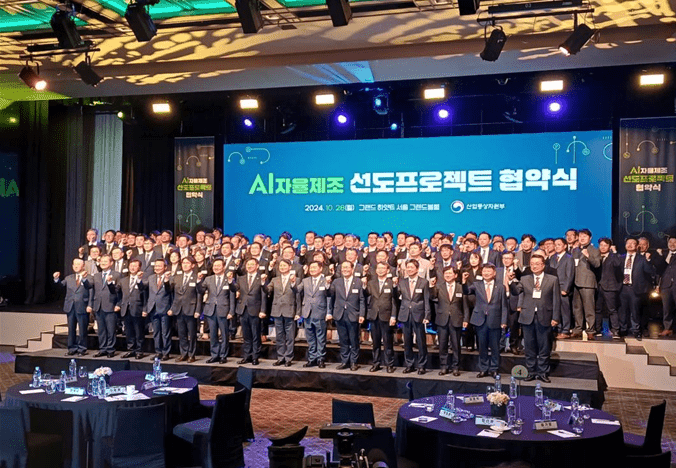
Busan, South Korea – To address manufacturing challenges and strengthen the city’s economic foundation, Busan City has partnered with national and international organizations to lead a major AI-driven autonomous manufacturing project. This initiative aims to transform local industries, especially aerospace, by integrating AI technologies and robotics into manufacturing processes, helping modernize the sector and tackle pressing issues like workforce shortages and sustainability.
Facing global supply chain disruptions and increased demands for sustainable practices, Busan has launched the “AI Autonomous Manufacturing Leading Project” in collaboration with South Korea’s Ministry of Trade, Industry and Energy. This project seeks to revitalize the city’s manufacturing sector by automating production processes, using AI-driven robotics to reduce dependency on manual labor, improve productivity, and support the nation’s carbon neutrality goals.
Busan, a major industrial city, has a strong manufacturing base across sectors such as shipbuilding, automotive, and machinery. However, an aging workforce and reduced demand in traditional manufacturing have created a need for transformation. With the AI Autonomous Manufacturing Project, Busan is poised to address these issues by fostering innovation and embracing digital transformation.
The AI Autonomous Manufacturing Project aims to tackle several pressing challenges in the manufacturing sector. First, it addresses the labor shortage caused by an aging workforce by implementing autonomous systems that reduce reliance on manual labor. Additionally, by integrating AI and robotics, the project enhances productivity and efficiency, making production processes faster and more reliable. Finally, the project aligns with South Korea’s green initiatives by adopting advanced technologies that minimize the environmental impact of manufacturing, supporting the country’s push toward carbon neutrality.
Busan’s strategic location and established expertise make it a prime candidate for this groundbreaking initiative. The city is the only location in South Korea focusing on aerospace within the AI project, taking advantage of growing global demand for aerospace technology and services. This focus aligns well with the complex, high-reliability standards required in aerospace manufacturing, making it an ideal test bed for AI-driven automation.
“Busan’s established expertise in multiple industries, from aerospace to automotive, offers a strong foundation for the AI Autonomous Manufacturing Project,” said Busan Deputy Mayor Lee Jun-seung. “This initiative not only addresses immediate challenges but also positions Busan as a leader in manufacturing innovation for years to come.”
The project has secured a total of 31.2 billion KRW in funding, supported by contributions from the national government, Busan City, and private sector partners. This funding is allocated to advancing AI technologies, enhancing robotic systems, and establishing a sustainable ecosystem for Busan’s local industries. Key organizations have joined forces to bring this project to life: DRB Automation, a Busan-based robotics company, leads robot system development, while Pusan National University oversees the design and validation of technical processes.
Additionally, KAIST, Yonsei University, and the Korea Institute of Industrial Technology contribute AI expertise essential for autonomous manufacturing systems. Boeing Korea and Washington State University provide advanced aerospace technology and international perspectives. Together, these partnerships form a dynamic network of academic, industrial, and research expertise, driving Busan’s manufacturing sector toward a future of innovation.
The aerospace sector, known for its high standards of reliability and quality, is the primary focus of Busan’s AI initiative. As global demand for aerospace products rises, Busan aims to leverage AI and robotics to automate complex assembly and processing tasks, positioning itself as a competitive player in the global aerospace market.
One of the project’s key milestones includes implementing multiple robots in Korean Air’s Tech Center to enhance the assembly of aircraft fuselage components. This step will test and refine AI-driven processes, setting the stage for large-scale applications in other high-tech industries.
Busan City has ambitious plans to scale this initiative, ultimately extending AI-driven manufacturing technologies to other sectors, including shipbuilding, automotive, and mechanical engineering. A new Advanced Manufacturing Demonstration Center will be established within the Gangseo District’s Mieum Industrial Complex to facilitate this transition, offering consulting and training to local companies to help them adopt and benefit from these technologies.
The city anticipates significant economic impact from the project, including job creation, workforce upskilling, and increased global partnerships. As part of this vision, Busan is also establishing a consortium of local industry leaders to drive AI adoption further, combining efforts across AI companies, system integrators, and robotics firms.
Continue this reporting
Reporting on the same issue
Related coverage selected from the article's desk, topics and newsroom relationships.
 NewsOct 16, 2026
What Is Still Worth Going to See?
Busan’s biennale faces questions of artistic judgment and institutional care....
 NewsOct 14, 2026
What Became of Busan’s University Streets?
From 2015 to 2023, registered businesses grew near Pusan National University...
 NewsOct 12, 2026
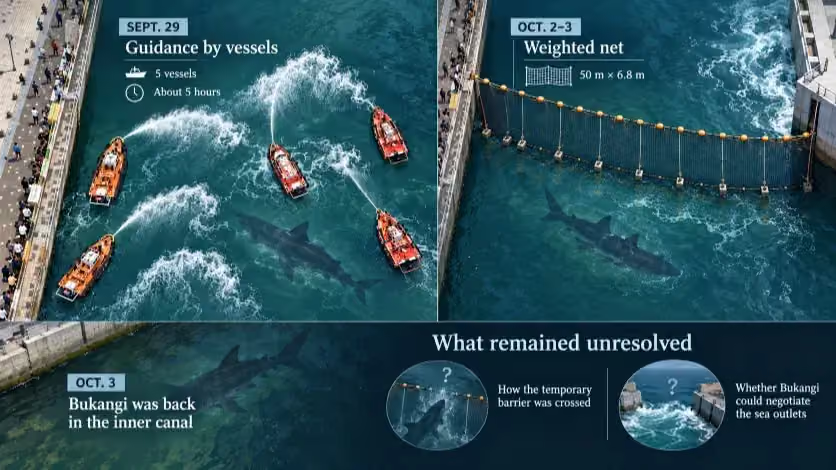
Bukangi, the Shark That Stayed in Busan’s North Port
A rescue net guided Bukangi toward the sea, but the dusky shark returned to B...
More from the author
More from this byline
Stay with the same line of reporting through more work from this byline.
 NewsOct 9, 2026
Why “Busan Is Good” Falls Short as a City Brand
 NewsSep 18, 2026
The Other AI Race Is for the Freedom to Change Course
Reader Signal
Community readWhat did this report leave you with?
Choose the signal that best reflects your reading. Select it again to remove it.
One response per article
No response selected
A moderated conversation about the reporting.
One-level replies and newsroom moderation keep the conversation anchored to this article.
Discussion Status
Open
Please sign in to join the discussion.
Newsletter
Weekly reporting and context from Busan and Korea.