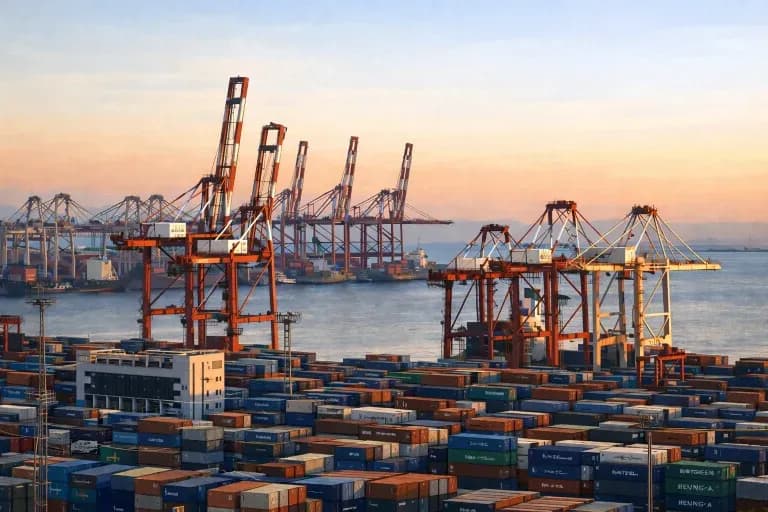
Busan Employment Climbs as Industrial Base Contracts
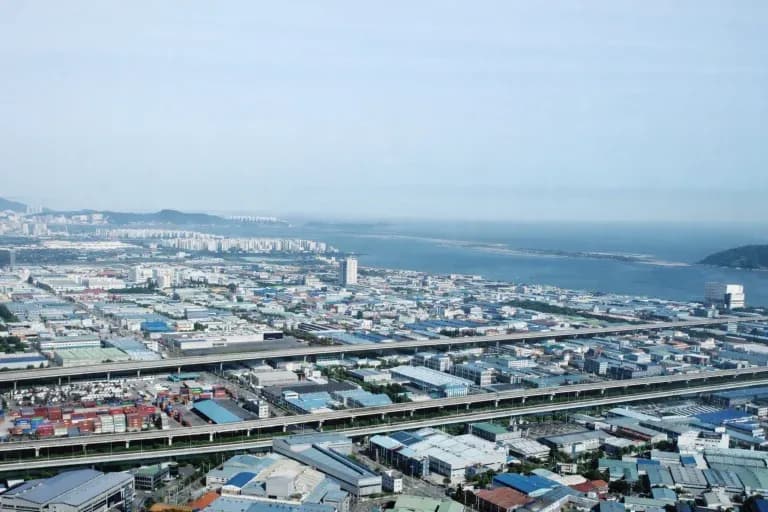
Busan added 20,000 jobs in January from a year earlier. But manufacturing and construction shed 43,000 jobs combined, while gains concentrated in service categories and shorter-hour work.
Discover the latest news from Busan, covering local events, economy, politics, and culture. Stay informed with Breeze in Busan.
Busan added 20,000 jobs in January from a year earlier. But manufacturing and construction shed 43,000 jobs combined, while gains concentrated in service categories and shorter-hour work.

In South Korea, subscriptions now reach far beyond entertainment, spanning streaming services, shopping memberships, appliance rentals and AI tools. Together, they have become a structural part of daily life, steadily lifting the baseline cost of participation, especially for younger consumers.

Busan has become efficient at recruiting international students, yet increasingly ineffective at keeping them. As dropout rates climb across regional universities, the city continues to fund internationalization as a branding exercise rather than a system of governance.
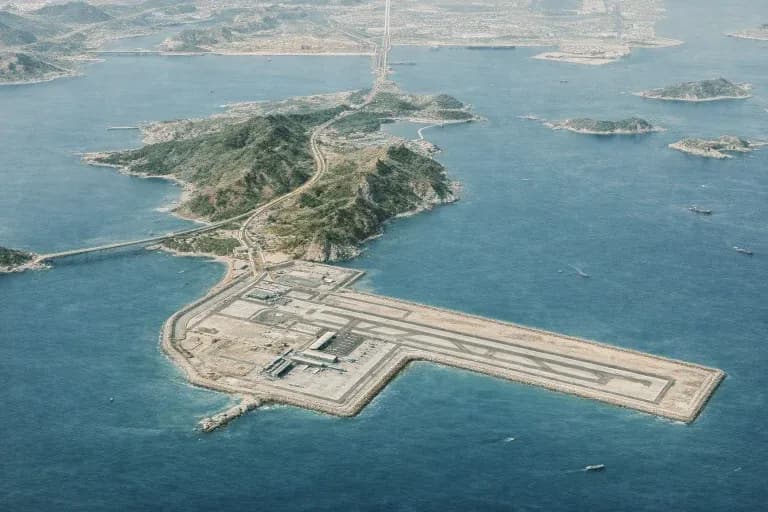
Turnkey contracting promises decisiveness at Gadeokdo New Airport. Offshore ground conditions demand patience. The distance between the two defines the project’s central risk.

AI’s next phase is shaped less by smarter models than by where memory lives and how much it costs to keep close

Large investment figures now function as political signals, not as reliable indicators of employment impact.
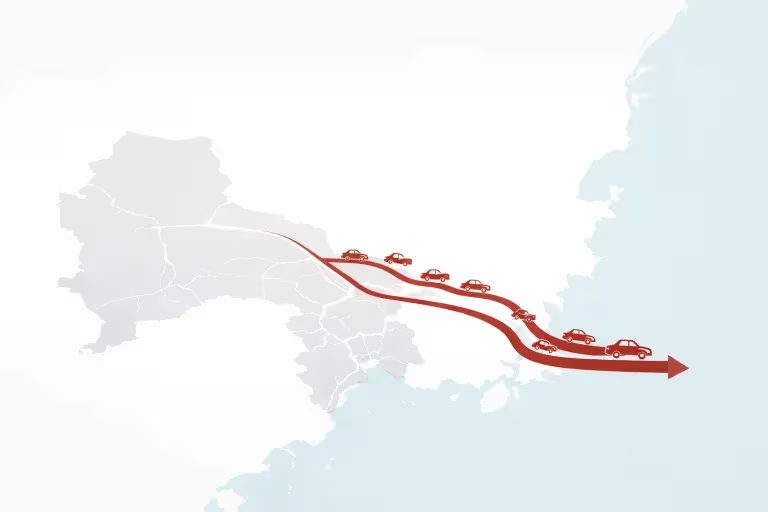
By lowering the time and psychological cost of driving, transport investments in Busan have reinforced vehicle dependence rather than easing congestion.

Exclusive broadcasting rights, failed sublicensing talks, and the limits of universal access rules have reshaped how the Games reach the public.

Busan City’s new foreign resident portal uses AI-generated human imagery on official guidance pages without disclosure, highlighting a regulatory grey zone as South Korea’s AI Basic Act takes effect.
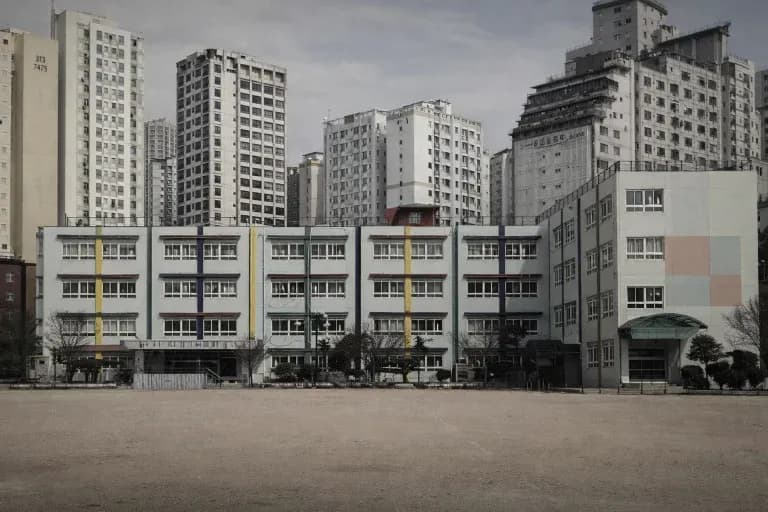
Elementary schools remain open in Seoul’s most expensive districts even as births fall. In Busan, rising property values coincide with school closures—revealing how South Korea’s cities manage demographic decline through exclusion and fragmentation.
An access highway breaks ground on a fixed timeline while the offshore airport project stalls amid failed bids and unresolved risk.

As Seoul pushes fast-track consolidation with financial incentives, Busan and Gyeongnam insist on referendums and statutory guarantees, exposing a deeper conflict over power, timing, and political risk.
Search within Lets Go Busan Sports Portal Launch Enhances Access To Local Facilities or the wider site.