Why Low-Density Development is Key to Busan’s Sustainable Renewal
Busan, South Korea - Nestled along the slopes of the iconic Sanbok Road, Busan’s hill districts are living monuments to the city’s resilience and cultural heritage. These neighborhoods, shaped by necessity during the Korean War, became refuge for thousands of displaced people. Over the decades, they grew into vibrant communities of terraced homes and narrow alleys, offering sweeping views of the city and harbor below. However, age and time have taken their toll, leaving these areas with aging in

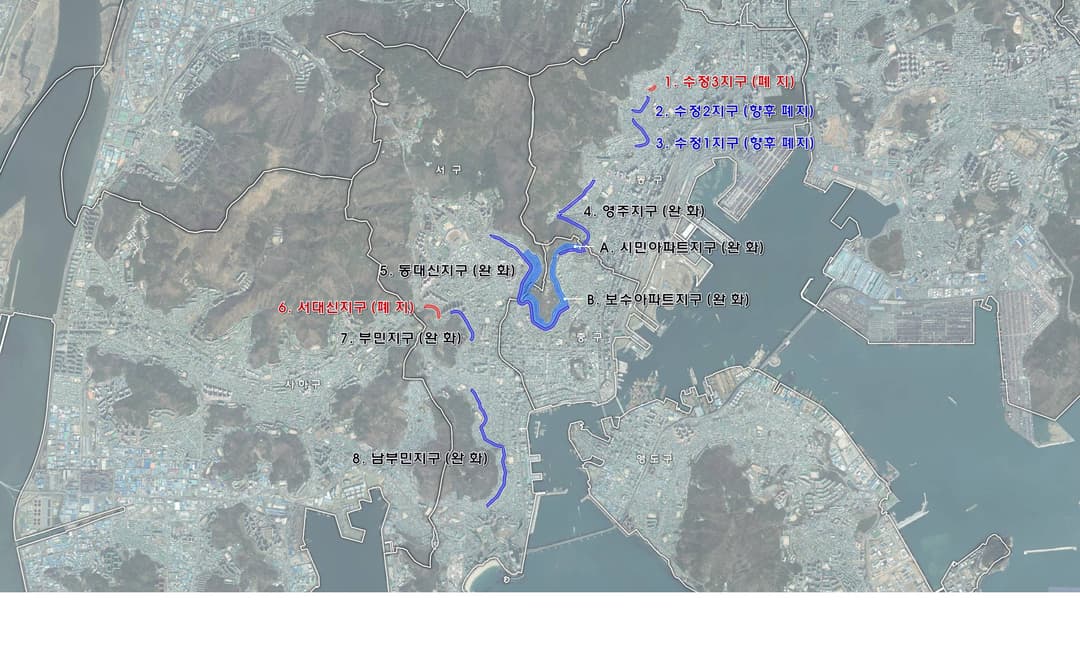
Busan, South Korea - Nestled along the slopes of the iconic Sanbok Road, Busan’s hill districts are living monuments to the city’s resilience and cultural heritage. These neighborhoods, shaped by necessity during the Korean War, became refuge for thousands of displaced people. Over the decades, they grew into vibrant communities of terraced homes and narrow alleys, offering sweeping views of the city and harbor below. However, age and time have taken their toll, leaving these areas with aging infrastructure, steep terrain, and limited accessibility.
In its recently released 2030 Urban Management Plan, Busan City proposed easing height restrictions in these districts to encourage redevelopment and modernization. While the plan seeks to address urgent challenges, such as deteriorating housing and economic stagnation, critics warn that high-density construction may undermine the character and identity of these historic areas.
The decision facing Busan is not simply one of development—it is a choice about the city’s identity and future. Will the city pursue rapid growth that prioritizes short-term gains, or will it embrace a sustainable, low-density vision that protects its cultural and historical heritage while meeting modern needs?
Busan’s hill districts trace their origins to a time of crisis. During the Korean War, refugees flocked to the city, constructing makeshift homes on its steep slopes. The neighborhoods that emerged became symbols of ingenuity, characterized by their terraced architecture and sweeping views of the port city below. These areas are not merely homes—they are cultural artifacts, offering a glimpse into a pivotal chapter of Korea’s modern history.
However, time has taken its toll. Many of the homes, originally built as temporary shelters, now face significant structural challenges. Narrow roads, insufficient infrastructure, and aging utilities have left the hill districts ill-equipped to meet the demands of modern urban life. Redevelopment is undoubtedly necessary, but the method and scale of this renewal are crucial.
Proponents of high-density development argue that vertical expansion can address housing shortages and modernize aging infrastructure. However, such an approach poses significant risks, particularly in Busan’s hill districts.
First, high-density development threatens to overwhelm an already strained infrastructure. The steep terrain and narrow roads of the hill districts make large-scale construction logistically challenging. Increasing the population density in these areas could exacerbate traffic congestion, limit emergency access, and create safety concerns.
Second, the cultural and historical identity of the hill districts is at stake. High-rise developments could obliterate the distinctive architecture and spatial organization that make these neighborhoods unique. Replacing terraced homes with generic high-rises risks turning Busan’s hill districts into another faceless urban expanse.
Finally, the social consequences of high-density development cannot be ignored. Rising property values and rents often accompany such projects, displacing long-term residents and disrupting established communities. The hill districts are home to many low-income families and older adults who could be forced out, eroding the social fabric that has sustained these neighborhoods for generations.
In contrast, low-density development offers a path that respects the character of Busan’s hill districts while addressing their challenges. By embracing sustainable, community-centered approaches, the city can create a model of urban renewal that balances progress with preservation.
Low-density development aligns seamlessly with the natural terrain of the hill districts. Terraced housing, townhomes, and small-scale mixed-use developments can adapt to the slopes without requiring extensive land alteration. This minimizes environmental disruption while preserving the visual harmony between the neighborhoods and their surroundings.
Moreover, low-density projects enhance livability. They provide opportunities for green spaces, shared gardens, and pedestrian-friendly designs that improve residents’ quality of life. These features not only attract new residents but also create a healthier, more inclusive environment for current inhabitants.
Accessibility improvements are another critical component of low-density development. Innovative solutions, such as incline elevators, cable cars, and eco-friendly shuttle systems, can connect hill districts to the rest of the city without overburdening existing infrastructure. These measures also address the mobility challenges faced by older residents, ensuring that redevelopment serves everyone.
Busan can draw inspiration from cities around the world that have successfully balanced modernization with heritage preservation.
In Aspen, Colorado, low-density housing and luxury amenities coexist with the natural environment, showcasing how thoughtful design can enhance both livability and economic value. Grindelwald, a Swiss village nestled in the Alps, combines sustainable tourism with residential development, maintaining harmony between its community and the surrounding mountains. Closer to home, Kyoto has set a global standard by restricting high-rise construction in its historic districts, prioritizing cultural integrity over unchecked urbanization.
These cities demonstrate that low-density, sustainable development is not merely an ideal but a practical approach to urban renewal. Busan’s hill districts, with their unique topography and cultural significance, are perfectly suited for a similar strategy.
The future of Busan’s hill districts hinges on the decisions made today. High-density development may promise quick returns, but it risks sacrificing the city’s identity and long-term sustainability. Low-density development, on the other hand, offers a thoughtful, balanced solution that preserves what makes these neighborhoods special while addressing their most pressing needs.
To realize this vision, the city must prioritize community engagement and transparent decision-making. Residents should have a voice in shaping the redevelopment of their neighborhoods, ensuring that their needs and aspirations are at the heart of the process. Financial incentives for sustainable construction, along with partnerships between the public and private sectors, can further support this approach.
Busan’s hill districts are more than places on a map. They are a testament to the city’s resilience, a living connection to its past, and a cornerstone of its identity. By choosing low-density development, Busan can protect its heritage, improve the lives of its residents, and set a global example for sustainable urban renewal.
Busan’s skyline is rapidly evolving, but its heart lies in the neighborhoods that have endured the test of time. The hill districts along Sanbok Road are more than relics of the past—they are an opportunity to build a future that honors the city’s history while embracing the promise of sustainable growth.
It’s time for Busan to lead with vision and integrity, showing the world that development and preservation can go hand in hand. The city’s identity depends on it.
Continue this reporting
Reporting on the same issue
Related coverage selected from the article's desk, topics and newsroom relationships.
 NewsSep 8, 2026
Busan Port’s Bigger Balance Sheet May Come With Less Control
Busan enters South Korea’s port-authority merger with the largest assets, the...
 NewsSep 7, 2026
How 38,000 Future Residents Entered Busan’s Growth Plan
Busan’s 2040 master plan counts 38,000 Eco Delta City residents toward develo...
 NewsSep 3, 2026
Busan’s Quantum-Sensing Cluster Begins With Battery Inspection
Busan’s battery-sensing project shows what South Korea’s new quantum cluster...
More from the author
More from this byline
Stay with the same line of reporting through more work from this byline.
 NewsSep 5, 2026
How a Political Appointment Becomes a Judgment of Character
 NewsAug 27, 2026
South Korea Has Outgrown Washington’s Nuclear Rules
Editorial Record
Corrections, sourcing notes and newsroom disclosures remain part of the published record. View Newsroom Notes →
Reader Signal
Community readWhat did this report leave you with?
Choose the signal that best reflects your reading. Select it again to remove it.
One response per article
No response selected
A moderated conversation about the reporting.
One-level replies and newsroom moderation keep the conversation anchored to this article.
Discussion Status
Open
Please sign in to join the discussion.
Newsletter
Weekly reporting and context from Busan and Korea.