Neighborhood Produce Shops Flourish Amid Economic Pressures
Once dominated by hypermarkets and the conveniences of e-commerce, the grocery landscape in South Korea’s urban centers is witnessing an unexpected shift. Neighborhood produce shops, often without elaborate branding or fancy facades, are reemerging as go-to sources for fresh, affordable produce in cities like Busan. These stores provide a mix of convenience, competitive pricing, and trust in product quality—a trifecta that hypermarkets and even online delivery services struggle to match for peri

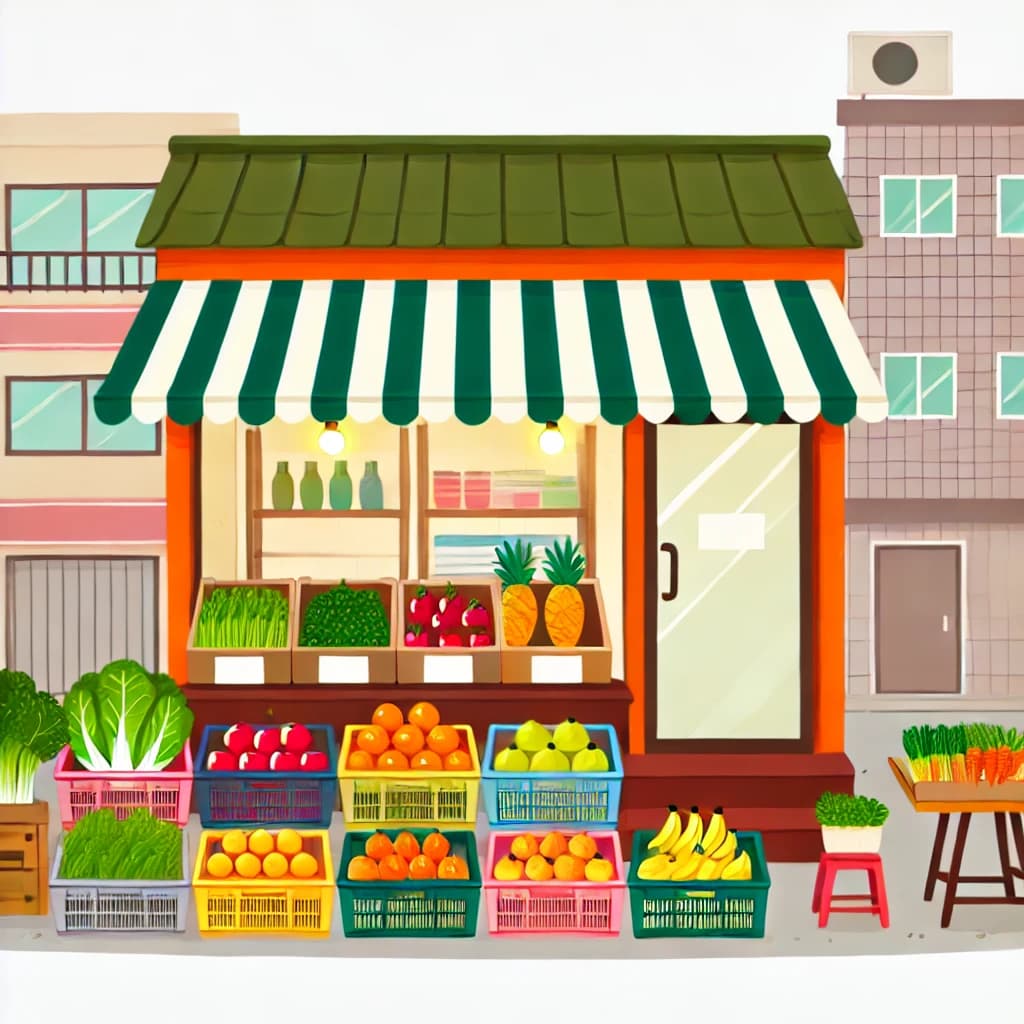
Once dominated by hypermarkets and the conveniences of e-commerce, the grocery landscape in South Korea’s urban centers is witnessing an unexpected shift. Neighborhood produce shops, often without elaborate branding or fancy facades, are reemerging as go-to sources for fresh, affordable produce in cities like Busan. These stores provide a mix of convenience, competitive pricing, and trust in product quality—a trifecta that hypermarkets and even online delivery services struggle to match for perishable goods. Amid inflation and a tough economic climate, these shops meet the moment, offering consumers essential fresh items like fruits, vegetables, meat, and eggs at prices typically 30-50% lower than their larger counterparts.
As consumers seek alternatives to manage household budgets, these unassuming produce shops are popping up in convenient residential locations, including in apartment complex shops and side streets. While large chains continue to dominate in packaged goods, the appeal of affordable, fresh produce is breathing new life into these smaller, often family-run stores.
South Korea, like many economies, has seen its share of price hikes across essential goods, leading consumers to seek the most value for their money. Grocery shopping has not been immune to this trend, with fresh foods like fruits and vegetables experiencing some of the highest price increases. While traditional supermarkets are accessible and offer variety, they can’t always match the value consumers find in neighborhood shops that prioritize essentials over variety. Many local shops achieve lower prices by sourcing directly from wholesale markets and cutting out middlemen, which means consumers can enjoy comparable or even superior quality without the high price tag.
Economic challenges have also reshaped the commercial real estate landscape in cities like Busan, creating opportunities for lower-rent leases in once-premium areas. As larger businesses consolidate or even vacate premises due to rising overheads, smaller produce shops have moved into these empty storefronts. They set up quickly, with minimal investment in interiors or signage, and focus on fresh, quality products and personalized customer interactions. This approach is both cost-effective and community-oriented, creating accessible grocery options for local residents.
For many South Koreans, the importance of buying fresh, high-quality produce in person has remained resilient, even as e-commerce grows. While consumers happily order non-perishable goods online, they are more discerning when it comes to fresh items. There is a distinct preference to inspect produce personally, which reinforces the relevance of neighborhood shops. Unlike rural areas, often plagued by "food deserts" with limited access to fresh food, urban centers like Busan provide abundant opportunities for these smaller shops to serve the community directly.
E-commerce has made inroads into many areas of consumer life, but fresh groceries remain a holdout. South Koreans are among the most avid online shoppers globally, yet fresh food purchases are still predominantly made in-store. Consumers trust neighborhood produce shops for perishable items that they can see, feel, and even smell. Although major platforms like Coupang offer rapid delivery services, consumers still favor in-person purchases when it comes to food items they deem delicate or quality-sensitive.
With low operating costs and efficient purchasing practices, these shops offer more than just affordability—they deliver freshness and trust. Many of these stores lack the frills of larger competitors; they operate without elaborate signage or extensive renovations, focusing instead on inventory quality and turnover. By sourcing directly from wholesale markets and occasionally local farms, they ensure that overhead is low and that the savings reach customers.
Neighborhood produce shops typically operate with a high rate of inventory turnover. Sourcing produce daily or several times a week allows them to stock the freshest items and avoid spoilage, which both lowers waste and reassures customers. This cycle of rapid inventory turnover, combined with bulk buying and reduced reliance on intermediaries, enables these stores to offer highly competitive prices.
Today’s savvy neighborhood shops are tapping into digital platforms to extend their reach and build a loyal customer base. Many of these shops maintain active social media pages, using platforms like Instagram or Kakao to post daily updates, special deals, and even group-buying options. This approach not only boosts visibility but also fosters a sense of community among local patrons, who feel connected to the shop beyond just in-person visits.
Some neighborhood shops have embraced technology by offering digital payment options, and in some cases, basic delivery services. This trend reflects the evolving expectations of South Korean consumers, who value convenience and are increasingly comfortable with digital transactions. While these shops don’t compete with the scale of e-commerce giants, they are effectively blending traditional shopping with modern convenience, making them attractive to a tech-savvy clientele.
Major retail chains have taken notice. Hypermarkets such as Emart and Homeplus are recalibrating their strategies to focus more on fresh produce sections and less on non-perishables. Some are rolling out smaller, specialized branches that emphasize grocery offerings, but they still struggle to replicate the low-cost, community-focused nature of neighborhood shops. In an effort to retain customer interest, these larger retailers are doubling down on quality and even enhancing in-store experiences with deli counters and interactive food stations.
While neighborhood produce shops are flourishing in cities, rural areas continue to struggle with limited fresh food access. This contrast highlights the ongoing issue of "food deserts" in rural South Korea, where fresh produce is often harder to obtain due to fewer retail options and longer supply chains. The growth of these shops in urban areas could inspire similar small-scale initiatives to address rural food access issues, potentially with government support or cooperative business models that bring fresh food closer to underserved communities.
Neighborhood produce shops in Busan are filling a void left by hypermarkets and e-commerce platforms, delivering on freshness, affordability, and a personal touch that consumers increasingly seek. As inflation and economic uncertainty persist, these shops are proving that small, community-oriented businesses can thrive by focusing on essentials and remaining agile. The popularity of these stores not only underscores changing consumer values but also points to a potential evolution in urban grocery shopping—one that favors local, convenient, and community-based solutions.
Continue this reporting
Reporting on the same issue
Related coverage selected from the article's desk, topics and newsroom relationships.
 NewsSep 8, 2026
Busan Port’s Bigger Balance Sheet May Come With Less Control
Busan enters South Korea’s port-authority merger with the largest assets, the...
 NewsSep 7, 2026
How 38,000 Future Residents Entered Busan’s Growth Plan
Busan’s 2040 master plan counts 38,000 Eco Delta City residents toward develo...
 NewsSep 3, 2026
Busan’s Quantum-Sensing Cluster Begins With Battery Inspection
Busan’s battery-sensing project shows what South Korea’s new quantum cluster...
More from the author
More from this byline
Stay with the same line of reporting through more work from this byline.
 NewsSep 5, 2026
How a Political Appointment Becomes a Judgment of Character
 NewsAug 27, 2026
South Korea Has Outgrown Washington’s Nuclear Rules
Editorial Record
Corrections, sourcing notes and newsroom disclosures remain part of the published record. View Newsroom Notes →
Reader Signal
Community readWhat did this report leave you with?
Choose the signal that best reflects your reading. Select it again to remove it.
One response per article
No response selected
A moderated conversation about the reporting.
One-level replies and newsroom moderation keep the conversation anchored to this article.
Discussion Status
Open
Please sign in to join the discussion.
Newsletter
Weekly reporting and context from Busan and Korea.