Navigating South Korea's Strategic Diplomacy: Responding to Poland's Request for Artillery Shells for Ukraine
South Korea is currently facing a multifaceted diplomatic challenge due to the recent request from Polish Prime Minister Mateusz Morawiecki for the provision of artillery shells to aid Ukraine. As a country with significant resources and capabilities, South Korea could potentially play a vital role in supporting Ukraine during this time of crisis. However, the geopolitical implications of such a move, including possible repercussions from Russia and China, cannot be ignored. In this article, we

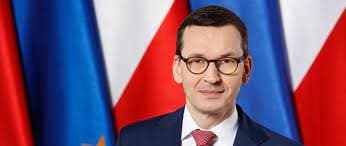
South Korea is currently facing a multifaceted diplomatic challenge due to the recent request from Polish Prime Minister Mateusz Morawiecki for the provision of artillery shells to aid Ukraine. As a country with significant resources and capabilities, South Korea could potentially play a vital role in supporting Ukraine during this time of crisis. However, the geopolitical implications of such a move, including possible repercussions from Russia and China, cannot be ignored. In this article, we will delve into the complexities of this situation and explore the necessity for South Korea to adopt a strong, strategic, and diplomatic approach to safeguard its national interests, while also examining the potential impact on regional stability and global power dynamics.
The Situation: A Delicate Diplomatic Dilemma
As Polish Prime Minister Mateusz Morawiecki advocates for the South Korean government to make its artillery shells available to Ukraine, he asserts that only direct intervention from US President Joe Biden could secure an agreement. Given the significant disparity in artillery shells and firepower between Russia and Ukraine, Morawiecki underscores the crucial role South Korea's artillery stocks could play in supporting Ukraine's defense efforts. Nonetheless, South Korean officials have expressed apprehension about providing ammunition to countries engaged in armed conflict, highlighting the delicate nature of the diplomatic dilemma that South Korea faces in navigating this complex situation. The challenge for South Korea lies in striking a balance between providing assistance to Ukraine and preserving its own national interests and international relationships.
Weighing Concerns and Implications: A Complex Geopolitical Landscape
As South Korea grapples with the decision to supply artillery shells to Ukraine, it must carefully consider the potential consequences and implications of its actions on the broader geopolitical landscape. A key concern for South Korea is the possibility of eliciting negative reactions from Russia and China, both of which wield considerable influence in the region and on the global stage.
By providing military support to Ukraine, South Korea could find itself in a precarious position, straining its diplomatic relations with these two powerful nations and inadvertently inviting unforeseen repercussions. This dilemma underscores the intricate web of political alliances and rivalries that shape international relations and the delicate balance of power that must be maintained to ensure stability.
Moreover, South Korea must also assess the potential impact of this decision on its regional security and economic ties. As a nation heavily reliant on international trade and foreign investment, South Korea must be cognizant of the possible ramifications on its economy. Furthermore, given its proximity to North Korea and the ongoing tensions on the Korean Peninsula, South Korea must remain vigilant in safeguarding its national security interests.
Navigating these complex concerns and implications requires a nuanced approach, one that takes into account the intricate interplay of global politics and the need to protect South Korea's national interests. By adopting a strong, strategic, and diplomatic stance, South Korea can make informed decisions that effectively balance its obligations to the international community with its own domestic priorities.
Crafting a Strong, Strategic, and Diplomatic Approach: Balancing Interests and Responsibilities
First and foremost, South Korea must prioritize conducting a comprehensive assessment of the potential risks and benefits associated with providing artillery shells to Ukraine. This evaluation should encompass various aspects, including diplomatic relations, regional security, and economic implications, to ensure a well-rounded understanding of the situation. As part of this process, South Korea must engage in diplomatic dialogue with all relevant parties involved, such as the US, Poland, and Ukraine, to gather as much information as possible and guarantee that its concerns are acknowledged and comprehended.
In navigating this challenging scenario, South Korea should forge strong ties and work closely with its allies, particularly the US, to determine the most appropriate course of action that aligns with their shared interests and values. Collaboration and open communication will prove instrumental in maneuvering through the complex landscape presented by the request for artillery shells and the broader geopolitical context.
Should the provision of artillery shells be deemed excessively risky, South Korea ought to explore alternative avenues to support Ukraine without jeopardizing its national interests. This could entail extending humanitarian aid, offering economic assistance, or engaging in diplomatic efforts to foster peace and stability in the region. By actively seeking alternative solutions, South Korea can demonstrate its unwavering commitment to international peace and security while simultaneously safeguarding its national interests.
Lastly, the importance of maintaining transparency throughout the decision-making process cannot be overstated. By being transparent about its intentions and the rationale behind its decisions, South Korea can prevent misunderstandings and misinterpretations from arising. This approach will help cultivate trust with its allies, demonstrate its commitment to international peace and security, and ensure that South Korea's actions are guided by a balanced consideration of its responsibilities and obligations on the global stage.
Navigating a Complex Diplomatic Challenge
The intricate situation concerning the potential provision of artillery shells to Ukraine presents a formidable diplomatic challenge for South Korea. By embracing a robust, strategic, and diplomatic approach, South Korea can safeguard its national interests while actively contributing to global peace and stability. This will necessitate a meticulous evaluation of risks and benefits, open communication with all relevant parties, close collaboration with allies, and the pursuit of alternative solutions when needed. Additionally, maintaining transparency throughout the decision-making process is essential for fostering trust and understanding.
Successfully navigating the complexities of this situation will require adept diplomacy and a nuanced understanding of the geopolitical landscape. However, with thorough planning and execution, South Korea has the potential to emerge as a stronger, more influential actor on the world stage, demonstrating its commitment to responsible international engagement and the pursuit of global peace and security.
Editorial Context
"Independent journalism relies on radical transparency. View our full log of editorial notes, corrections, and project dispatches in the Newsroom Transparency Log."
Reader Pulse
The report's impact signal
Be the first to provide a reading pulse. These collective signals help our newsroom understand the impact of our reporting.
Join the discussion
A more thoughtful conversation, anchored to the story
Atlantic-style discussion for this article. One-level replies, editor prompts, and moderation-first participation are now powered directly by Prisma.
Discussion Status
Open
Please sign in to join the discussion.
The Weekly Breeze
Independent reporting and analysis on Busan,
Korea, and the broader regional economy.