The True Price of Daiso’s Plastic Empire
The shelves of discount stores like Daiso brim with affordable plastic products that cater to every household need. From storage containers to water bottles, these low-cost items have become a staple of modern life, offering convenience at an unbeatable price. However, lurking behind this affordability is a hidden cost—one that affects both human health and the environment. As the global appetite for cheap plastics grows, so does the need to confront their unintended consequences. Daiso, a lead

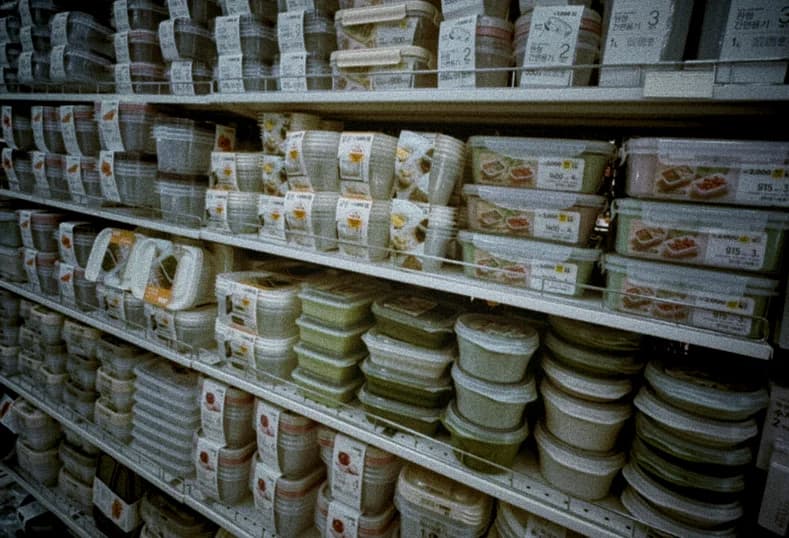
The shelves of discount stores like Daiso brim with affordable plastic products that cater to every household need. From storage containers to water bottles, these low-cost items have become a staple of modern life, offering convenience at an unbeatable price. However, lurking behind this affordability is a hidden cost—one that affects both human health and the environment. As the global appetite for cheap plastics grows, so does the need to confront their unintended consequences.
Daiso, a leading retailer of low-cost goods, epitomizes the rise of cheap plastics in everyday life. South Korea, like many nations, has embraced these products with open arms, driven by their affordability and utility. According to recent statistics, the demand for plastic items has surged in the past decade, with single-use and household plastic products making up a significant portion of consumer purchases. The appeal is undeniable: why invest in expensive glass or metal when you can get a plastic equivalent for a fraction of the price?
Yet, this convenience comes at a cost—one that is often invisible to the naked eye.
While the affordability of these products is appealing, their potential health impacts are alarming. One of the most well-documented concerns is the presence of Bisphenol A (BPA) in plastics. BPA, a chemical used in the production of many plastics, has been linked to hormonal disruptions, reproductive health issues, and developmental problems in children.
To mitigate these risks, many companies have turned to "BPA-Free" products. However, this shift has introduced new challenges. Studies have shown that BPS (Bisphenol S) and BPF (Bisphenol F)—common replacements for BPA—may have similar, if not identical, endocrine-disrupting properties. In essence, the problem has shifted but not disappeared.
The risks are particularly acute for vulnerable populations such as infants and children. Research has highlighted the alarming amounts of microplastics released from polypropylene baby bottles during formula preparation, with estimates suggesting that an infant could ingest millions of microplastic particles daily. In some studies, microplastics have even been detected in breast milk, raising further concerns about exposure during critical developmental stages.
Furthermore, improper use of plastic products—such as heating food in plastic containers or exposing them to high temperatures—can accelerate the release of harmful chemicals, compounding the risks to human health.
Beyond individual health, the environmental toll of cheap plastics is staggering. These products, designed for short-term use, often end up in landfills or oceans, contributing to a global pollution crisis.
Microplastics, the tiny particles that result from the breakdown of larger plastic items, have been found in virtually every corner of the planet—from the deepest ocean trenches to Arctic ice. These particles not only disrupt ecosystems but also make their way into the human food chain, infiltrating the air we breathe and the water we drink.
Recycling, often touted as the solution to plastic waste, is not as effective as it might seem. Many of the plastics used in cheap products are difficult to recycle due to their composition or contamination. As a result, a significant portion of plastic waste is incinerated or left to degrade in landfills, releasing harmful chemicals and greenhouse gases in the process.
For many, the scale of plastic pollution and its impact on health feels like an insurmountable problem, but change begins with small, meaningful actions. Imagine reaching for a glass or stainless steel container instead of a plastic one. This single choice not only keeps harmful chemicals at bay but also brings a sense of durability and safety to your kitchen. Silicone, too, is emerging as a flexible, eco-friendly alternative, proving that we can combine practicality with environmental consciousness.
It’s not just about what we use, but how we use it. Heating leftovers in a plastic container may be convenient, but it accelerates the release of harmful chemicals into your food. Instead, make a habit of transferring meals to safer materials like glass or ceramic before reheating. And don’t let damaged or aging plastic linger in your home—they’re ticking time bombs for chemical leaching.
Sustainability isn’t about overhauling your life overnight; it’s about thoughtful, everyday habits. Carrying your own reusable bags to the grocery store, sipping water from a stainless steel bottle, or packing your lunch in a durable container can all reduce your reliance on single-use plastics. These small actions, repeated across millions of households, can have a monumental impact.
Above all, educate yourself. Take a closer look at the labels on products you buy—seek out BPA-Free certifications and check for safer recycling codes like polypropylene (PP). Empowerment starts with knowledge, and every informed choice is a step toward a healthier planet and a healthier you.
Addressing the plastic crisis requires action beyond individual choices. Corporations must take responsibility for the materials they use, prioritizing the development of sustainable, non-toxic alternatives. Government policies also play a crucial role, from implementing stricter regulations on plastic production to incentivizing recycling and biodegradable materials.
In South Korea, there have been growing efforts to raise awareness about the environmental impact of cheap plastics. Some cities are experimenting with bans on single-use plastics, while startups and established companies alike are exploring innovative solutions, such as bioplastics made from plant materials.
The rise of cheap plastic products, exemplified by retailers like Daiso, reflects a broader tension in modern consumerism: the balance between convenience and long-term consequences. While these products meet immediate needs, they come with hidden costs to our health and the planet.
As consumers, we have the power to drive change through informed decisions and sustainable practices. By reducing our reliance on plastics and supporting eco-friendly alternatives, we can pave the way for a cleaner, healthier future. The question is no longer whether we can afford to take action—but whether we can afford not to.
The Weekly Breeze
Keep pace with Busan's deep narratives.
Delivered every Monday morning.