How Government Policy Is Failing to Adapt to Changing Diets
South Korea’s food systems face increasing strain as climate change exacerbates agricultural challenges and shifting dietary patterns redefine the nation's consumption habits. Extreme weather events, such as heatwaves, erratic rainfall, and more intense rainy seasons, have significantly driven up prices for essential crops like apples and cabbages, highlighting the vulnerabilities within the country’s food supply system. Farmers, in particular, are grappling with these unpredictable conditions,

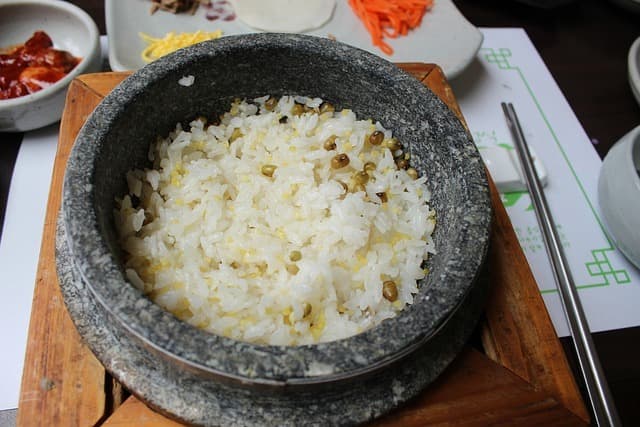
South Korea’s food systems face increasing strain as climate change exacerbates agricultural challenges and shifting dietary patterns redefine the nation's consumption habits. Extreme weather events, such as heatwaves, erratic rainfall, and more intense rainy seasons, have significantly driven up prices for essential crops like apples and cabbages, highlighting the vulnerabilities within the country’s food supply system. Farmers, in particular, are grappling with these unpredictable conditions, which include longer, hotter summers and more frequent storms. However, despite these mounting pressures, the South Korean government's response to agricultural and dietary transitions has been inadequate, especially regarding the long-standing reliance on rice as a staple food.
Rice, once the bedrock of the South Korean diet, has seen plummeting prices as production consistently outpaces demand. The government’s failure to align agricultural policies with consumer preferences—shifting toward diverse, balanced diets—has left the agricultural sector vulnerable. Meanwhile, the transformation of dietary habits has been largely driven by market forces and public health campaigns, with little state intervention to encourage a holistic policy shift that addresses both overproduction and nutritional needs.
South Korea’s agricultural landscape, once stable due to its temperate climate, now finds itself on the front lines of climate change. The country is experiencing rising temperatures, unpredictable rainfall, and extreme weather events, which directly affect crop production. These climatic shifts, combined with outdated agricultural strategies, pose a major threat to the nation’s food security.
For instance, over the past century, average temperatures have risen by 1.5°C, which has significantly affected crop growth cycles. Heatwaves are now more frequent, leading to phenomena like "heatflation", where extreme heat causes food prices to spike. This has been particularly evident in the case of apple production, with some regions experiencing price increases of up to 100% due to reduced yields.
Moreover, the increasingly erratic nature of rainfall has compounded these challenges. Heavy rains during the extended rainy season can devastate crops, while droughts during crucial growing periods leave farmers without sufficient water. In 2020, for example, South Korea’s rainy season lasted 42 days, the longest in seven years, causing significant damage to crops and infrastructure alike. Despite these alarming trends, the government’s policies remain focused on rice production, even as consumer demand and climate conditions call for more strategic crop diversification.
Despite calls from public health experts and market trends that favor lower-carb and lower-sodium diets, the government has not significantly revised its agricultural policies to align with these changes.
While the South Korean government has taken steps to promote smart agricultural technologies, such as AI-driven crop monitoring systems and automated irrigation, its overall response has been insufficient in addressing the most pressing agricultural challenges. These technological advancements, while important, have been largely limited in scope and have failed to incorporate meaningful policy shifts that acknowledge the decline in rice consumption and the need for broader crop diversification.
Despite calls from public health experts and market trends that favor lower-carb and lower-sodium diets, the government has not significantly revised its agricultural policies to align with these changes. Rice continues to dominate agricultural production, while crops better suited to South Korea’s changing climate, such as millet, barley, and soybeans, have not received adequate support. The Ministry of Agriculture has launched limited initiatives in facility agriculture (e.g., vertical farming), but these efforts have not been scaled effectively to address the broader issues of overproduction and dietary evolution.
South Korea’s modern food culture is deeply rooted in the flour-based diet promotion campaigns of the 1950s and 60s, which encouraged the consumption of wheat-based foods like bread and noodles to ease pressure on rice supplies. This shift left a lasting legacy, embedding processed foods into the national diet and setting the stage for the rise of chronic health issues such as diabetes, obesity, and hypertension.
Today, while public health campaigns and market forces push for balanced diets, which include whole grains and plant-based proteins, the government has been slow to act. The outdated focus on rice persists, even as consumer preferences shift away from it. The result is a misalignment between agricultural policies and public health objectives, with the government missing key opportunities to modernize its approach to food production.
South Korea’s overproduction of rice and the government’s failure to adapt agricultural policies to match consumer demand for more diverse, healthier diets highlight the critical need for reform.
The government’s efforts to promote balanced diets have been limited to campaigns encouraging reduced sodium intake and the promotion of whole grains like millet and quinoa. However, these initiatives are largely driven by public health agencies and consumer choice, rather than robust state policy. The overproduction of rice continues, despite clear signs of falling demand and an increasing appetite for more diverse, plant-based diets.
Additionally, the government has placed a stronger emphasis on local food systems, with initiatives supporting farm-to-table programs and local markets. While these programs align with global sustainability goals, they have yet to address the underlying issue of overproduction and the lack of strategic agricultural adaptation.
South Korea’s overproduction of rice and the government’s failure to adapt agricultural policies to match consumer demand for more diverse, healthier diets highlight the critical need for reform. While smart farming technologies and public health campaigns offer part of the solution, they are insufficient on their own. The government must take a more active role in addressing these issues, particularly by supporting crop diversification and ensuring that agricultural production aligns with modern dietary patterns.
By fostering sustainable farming practices and aligning policies with consumer health trends, South Korea can not only modernize its agricultural sector but also ensure food security in the face of climate change. The time for action is now, as the country must move beyond its outdated reliance on rice and embrace a future of balanced diets and adaptive farming practices.
The Weekly Breeze
Keep pace with Busan's deep narratives.
Delivered every Monday morning.