How Climate Change is Threatening Kimchi Production
The humble cabbage, a staple ingredient in Korea's beloved kimchi, is at the center of an alarming crisis. Recent foreign media reports have sounded the alarm, suggesting that Korean cabbages are nearing "extinction," potentially making kimchi a rare commodity. As cabbage prices soar due to climate change-induced production declines, concerns are mounting over the Korean government's lack of long-term strategies to address the issue. This article delves into the multifaceted challenges facing Ko

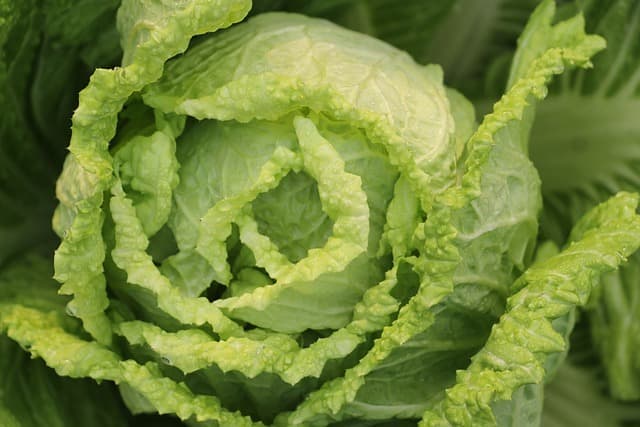
The humble cabbage, a staple ingredient in Korea's beloved kimchi, is at the center of an alarming crisis. Recent foreign media reports have sounded the alarm, suggesting that Korean cabbages are nearing "extinction," potentially making kimchi a rare commodity. As cabbage prices soar due to climate change-induced production declines, concerns are mounting over the Korean government's lack of long-term strategies to address the issue. This article delves into the multifaceted challenges facing Korea's cabbage production, the implications for food security, and the cultural significance of kimchi amid these troubling developments.
According to the Korea Agro-Fisheries & Food Trade Corporation, the average wholesale price of napa cabbage—the primary variety used in kimchi—has nearly doubled compared to the same period last year. As of September 2023, prices reached an unprecedented high of KRW 50,000 per 10 kilograms, straining household budgets and food industries alike.
Statistics Korea reports a 35% decrease in cabbage production volume over the past year, primarily due to adverse weather conditions. The spike in prices has led to a ripple effect, impacting not only consumers but also restaurants and kimchi manufacturers who rely heavily on bulk cabbage purchases.
Extreme weather events have become increasingly frequent in Korea, severely affecting agricultural output. The Korea Meteorological Administration notes that the average temperature in key cabbage-growing regions has risen by 1.5°C over the past decade. Additionally, erratic rainfall patterns and prolonged heatwaves have disrupted the growing season.
The Intergovernmental Panel on Climate Change (IPCC) highlights that such climatic shifts are likely to intensify, further threatening crop yields. "Climate change is no longer a future threat; it's a current reality that's disrupting food production," states Dr. Lee Min-jung, a climate scientist at Seoul National University.
Recent typhoons and unexpected frosts have destroyed vast swathes of cabbage fields, leaving farmers in dire straits. The increased prevalence of pests and diseases due to warmer temperatures has exacerbated the situation, leading to additional losses.
Government Response: Short-Term Measures Amid Long-Term Challenges
The Ministry of Agriculture, Food and Rural Affairs (MAFRA) has implemented short-term solutions such as releasing emergency reserves and temporarily reducing import tariffs on cabbages. However, critics argue that these measures are insufficient for addressing the root causes.
"There is a glaring lack of comprehensive, long-term strategies to combat the effects of climate change on agriculture. The government's reactive approach fails to provide sustainable solutions for farmers and the food industry."
Policy documents reveal that while there are initiatives aimed at technological advancements in farming, progress has been slow. The Ministry of Environment's climate action plans lack specific provisions for adapting agricultural practices to the changing climate
Future Food Security: A Looming Crisis
The Food and Agriculture Organization (FAO) warns that Korea's food self-sufficiency rate is already low, hovering around 45%. With staple crops like cabbage under threat, food security concerns are intensifying.
The Global Food Security Index ranks Korea 29th out of 113 countries, highlighting vulnerabilities in food availability and resilience. Continued inaction could lead to increased reliance on imports, making the country susceptible to global market fluctuations and trade tensions.
"Food security isn't just about having enough to eat; it's about having reliable access to nutritious food that's culturally significant."
Global Attention on Korea's Cabbage Shortage
International media outlets like BBC, CNN, and The Guardian have spotlighted Korea's cabbage predicament. Headlines such as "Kimchi Crisis: Climate Change Threatens Korea's Beloved Dish" have brought global attention to the issue.
These reports often portray the situation as a cultural and economic crisis, emphasizing kimchi's role in Korean identity. The international focus has prompted discussions about climate change's global impact on food traditions and security.
In light of the escalating challenges facing Korea's cabbage production, the urgency of developing sustainable, long-term solutions becomes increasingly clear. Climate change is no longer a future threat—it is a current and intensifying reality, with profound impacts on agriculture, food security, and cultural identity. The recent surges in cabbage prices and production losses underscore the vulnerability of Korea's food systems to climate-induced disruptions. This crisis highlights the pressing need for comprehensive climate adaptation strategies that go beyond short-term fixes.
While the government has taken steps to alleviate the immediate effects, such as reducing import tariffs and releasing cabbage reserves, these are temporary measures. What is truly needed is a multifaceted approach that integrates climate-resilient agricultural practices, investment in technological innovations, and support for farmers adapting to changing conditions. Developing heat-tolerant cabbage varieties and improving irrigation systems to cope with erratic rainfall patterns are crucial aspects of this strategy.
Furthermore, this crisis brings into focus broader concerns about Korea's food security. With the country already having a low food self-sufficiency rate, relying heavily on imports during future crises could increase vulnerability to global market fluctuations. As Korea continues to navigate these agricultural and economic challenges, the cabbage crisis serves as a stark reminder that climate change is not only an environmental issue but also one that touches upon national food security, economic stability, and cultural heritage.
In the end, if Korea is to safeguard its cultural identity, epitomized by the beloved dish of kimchi, and ensure food security for its population, a proactive, long-term approach to climate change adaptation in agriculture is essential.
The Weekly Breeze
Keep pace with Busan's deep narratives.
Delivered every Monday morning.