South Korea's Court System Struggles with Outdated ActiveX Technology
Users grapple with an obsolete and insecure online service as frustrations rise South Korea's court registry office's online service system continues to frustrate users due to its reliance on the outdated ActiveX technology. The technology has been widely criticized for its security vulnerabilities and incompatibility with modern web browsers. While Microsoft stopped supporting Internet Explorer, which is required to use ActiveX, last year, the South Korean court system has yet to adopt an upda

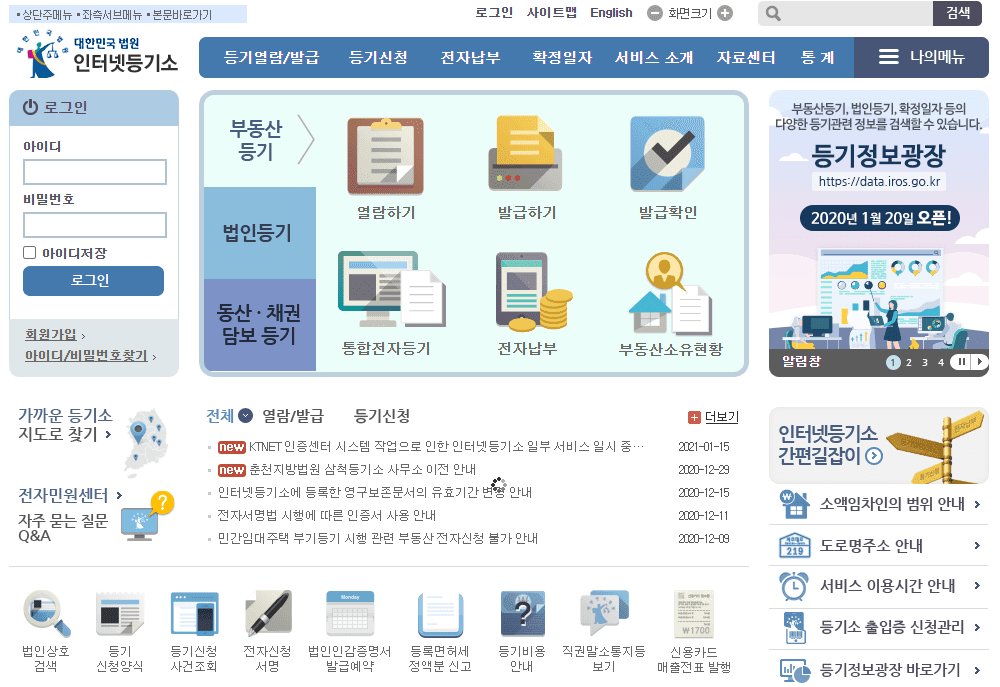
Users grapple with an obsolete and insecure online service as frustrations rise
South Korea's court registry office's online service system continues to frustrate users due to its reliance on the outdated ActiveX technology. The technology has been widely criticized for its security vulnerabilities and incompatibility with modern web browsers. While Microsoft stopped supporting Internet Explorer, which is required to use ActiveX, last year, the South Korean court system has yet to adopt an updated solution.
Forced to restart their computers multiple times and make complicated settings adjustments, users attempting to register through the court computer system face potential security risks. Despite these concerns and the availability of more secure, modern alternatives, the court system remains tied to antiquated ActiveX technology.
This issue is especially noticeable when compared to the user-friendly online systems utilized by South Korea's legislative and executive branches. Both the National Assembly's bill information system and the e-government system provide users with easy access to detailed information and various documents. Critics argue that the judicial system is lagging behind, often neglecting the needs and preferences of its users.
Recent studies and papers have highlighted the challenges posed by outdated technology within judicial systems worldwide, urging governments to invest in more secure and efficient solutions. As South Korea's court system continues to struggle with ActiveX, it is crucial for the country to prioritize modernization to better serve the needs of its citizens and maintain a secure online environment.
Despite being a global technology leader, South Korea struggles with antiquated technology within its courts
South Korea is well-known for its advanced technology and innovative IT solutions, often outpacing many other countries in terms of digital infrastructure and connectivity. However, this reputation is challenged when it comes to the nation's judicial system, which still relies on outdated technology.
The country's court registry office's online service system, for example, continues to use the obsolete ActiveX technology, causing frustration among users who struggle to access and view documents on the Supreme Court Registry's website. Despite Microsoft ceasing support for Internet Explorer last year, the court system still requires the use of this old browser, exposing users to potential security risks.
This reliance on outdated technology stands in stark contrast to South Korea's legislative and executive branches, which have embraced user-friendly online systems that provide easy access to information and documents. The National Assembly's bill information system and the e-government system are prime examples of how modern technology can enhance efficiency and transparency.
Experts and critics have urged South Korea to invest in more secure and efficient solutions to bring its judicial system in line with the nation's IT prowess. By upgrading the technology used within its courts, the country can ensure that all branches of government benefit from its strong technological foundation and better serve its citizens.
Continue this reporting
Reporting on the same issue
Related coverage selected from the article's desk, topics and newsroom relationships.
 NewsOct 19, 2026
What an Accurate Rainfall Forecast Can Still Miss
AI weather forecasts can capture where rain will fall while underestimating i...
 NewsOct 7, 2026
The Moon’s Industrial Future Begins With What Missions No Longer Need to Carry
Water, sunlight, safe landing terrain, communications and power do not natura...
 NewsOct 2, 2026
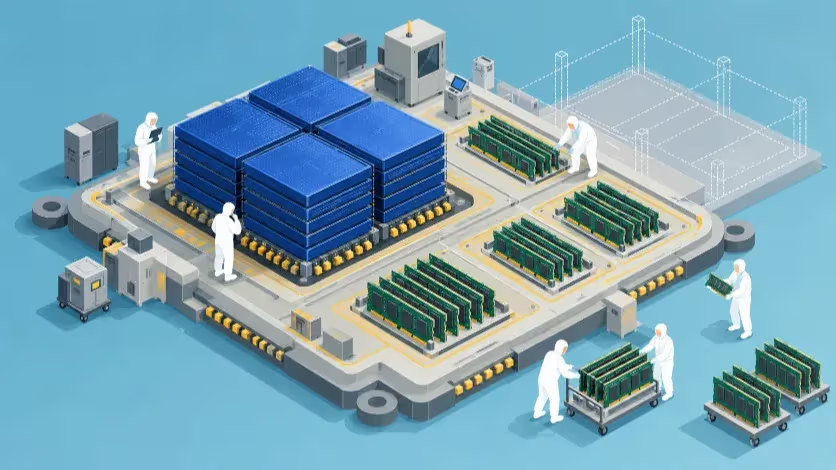
AI Is Reallocating the World’s Memory Factories
AI demand is forcing memory makers to decide how scarce DRAM capacity is divi...
More from the author
More from this byline
Stay with the same line of reporting through more work from this byline.
 NewsOct 9, 2026
Why “Busan Is Good” Falls Short as a City Brand
 NewsSep 18, 2026
The Other AI Race Is for the Freedom to Change Course
Reader Signal
Community readWhat did this report leave you with?
Choose the signal that best reflects your reading. Select it again to remove it.
One response per article
No response selected
A moderated conversation about the reporting.
One-level replies and newsroom moderation keep the conversation anchored to this article.
Discussion Status
Open
Please sign in to join the discussion.
Newsletter
Weekly reporting and context from Busan and Korea.