Why Do People Prefer to Live in Unequal Societies? A Psychological Perspective
Inequality is a persistent problem in many societies, with some individuals and groups enjoying greater resources, opportunities, and privileges than others. However, despite the numerous negative effects of inequality, such as reduced well-being and increased conflict, many people still prefer to live in unequal societies. A recent study published in the British Journal of Psychology sought to explore why people prefer to live in unequal societies. The study found that individuals have a psych
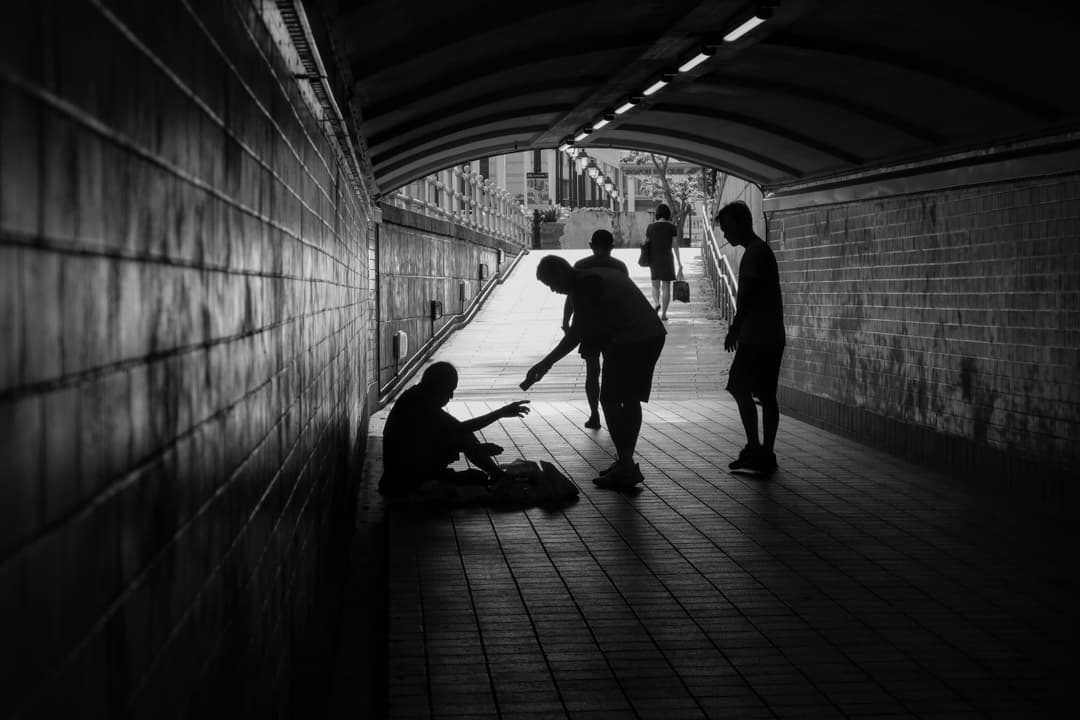
Inequality is a persistent problem in many societies, with some individuals and groups enjoying greater resources, opportunities, and privileges than others. However, despite the numerous negative effects of inequality, such as reduced well-being and increased conflict, many people still prefer to live in unequal societies.
A recent study published in the British Journal of Psychology sought to explore why people prefer to live in unequal societies. The study found that individuals have a psychological preference for inequality, as they associate it with social status and success. In this article, we will delve deeper into the results of this study and the implications it has for our understanding of why people prefer to live in unequal societies.
Participants' Preferences for Unequal Societies
The study participants were presented with a scenario in which they had the choice to live in a society with equal distribution of resources or one with unequal distribution of resources. The results showed that the majority of participants chose the society with unequal distribution, as they believed it would provide them with greater opportunities for social mobility and success.
Desire for Power and Status
The researchers also found that people who chose the unequal society had a higher desire for power and status. These individuals believed that in an unequal society, they would have a greater chance of rising to the top and enjoying the benefits of being in a higher social class. This preference for unequal societies may be driven by a desire for power and status, as individuals believe they will have a greater chance of achieving these goals in a society with unequal distribution of resources.
Value of Fairness and Equality
On the other hand, those who chose the equal society valued fairness and equality. These individuals believed that everyone would have the same chances for success in an equal society, regardless of their social status or background. They were motivated by a desire for a fair and just society, where everyone has equal opportunities and resources.
Implications for Our Understanding of Inequality
The results of this study provide important insights into why people prefer to live in unequal societies. It suggests that people's desires for social mobility and success are powerful motivators for choosing to live in unequal societies. However, it is important to note that while people may have a psychological preference for inequality, this does not mean that they condone unequal treatment of others. The study highlights the need for further research to understand the complex relationship between people's desires for success and their views on equality and fairness.
Conclusion
In conclusion, the study published in the British Journal of Psychology sheds light on why people prefer to live in unequal societies. The results suggest that people's desires for social mobility and success drive their preference for unequal societies, but further research is needed to understand the full picture. It is clear that while people may have a psychological preference for inequality, this does not necessarily mean that they support unequal treatment of others. The study highlights the importance of understanding the psychological factors that drive people's preferences for unequal societies, in order to better address the issue of inequality and promote more just and equal societies.
Continue this reporting
Reporting on the same issue
Related coverage selected from the article's desk, topics and newsroom relationships.
 NewsOct 4, 2026
Zelensky, South Korea and the Limits of Wartime Pressure
South Korea says Kyiv broke a confidentiality understanding when Zelensky rev...
 NewsSep 1, 2026
What Lee Jae Myung Thinks a Minister Can Fix
President Lee Jae Myung says reform should be judged by results rather than c...
 NewsAug 21, 2026
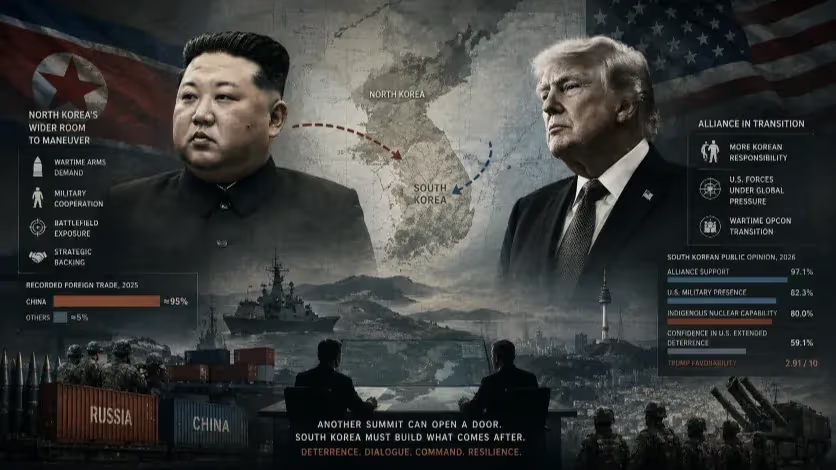
The Korean Peninsula Trump Is Returning To
Another Trump-Kim summit would unfold on a peninsula where North Korea is har...
More from the author
More from this byline
Stay with the same line of reporting through more work from this byline.
 NewsSep 18, 2026
The Other AI Race Is for the Freedom to Change Course
 NewsSep 5, 2026
How a Political Appointment Becomes a Judgment of Character
Reader Signal
Community readWhat did this report leave you with?
Choose the signal that best reflects your reading. Select it again to remove it.
One response per article
No response selected
A moderated conversation about the reporting.
One-level replies and newsroom moderation keep the conversation anchored to this article.
Discussion Status
Open
Please sign in to join the discussion.
Newsletter
Weekly reporting and context from Busan and Korea.