How Trump’s Presidency Could Impact N. Korea, Russia, and Ukraine
In a world where alliances and tensions shape the geopolitical landscape, the election of Donald Trump to the U.S. presidency is poised to stir waves across Asia and Europe, particularly affecting North Korea, Russia, and Ukraine. Trump’s unorthodox foreign policy approach has previously redefined diplomatic engagement with both allies and adversaries. As he prepares to re-enter the Oval Office, questions loom about how his administration will handle relationships with Pyongyang, Moscow, and Kyi

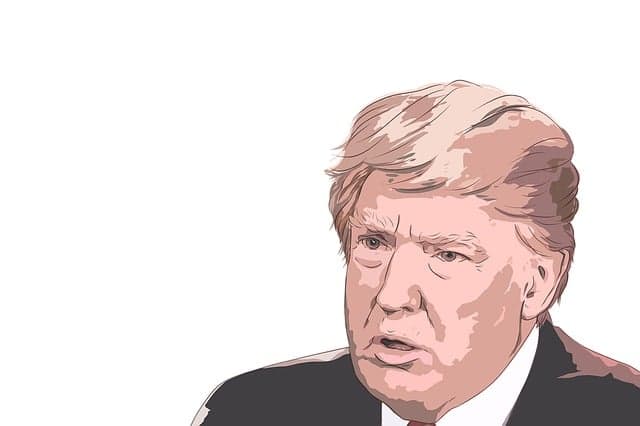
In a world where alliances and tensions shape the geopolitical landscape, the election of Donald Trump to the U.S. presidency is poised to stir waves across Asia and Europe, particularly affecting North Korea, Russia, and Ukraine. Trump’s unorthodox foreign policy approach has previously redefined diplomatic engagement with both allies and adversaries. As he prepares to re-enter the Oval Office, questions loom about how his administration will handle relationships with Pyongyang, Moscow, and Kyiv. This article explores the potential impacts of Trump's return, analyzing the strategic shifts that could redefine regional and global security.
A New Era of Diplomacy?
Donald Trump’s first term as president left a lasting impact on U.S. foreign relations, breaking from convention and pursuing direct engagement with leaders traditionally at odds with Washington. Trump’s historic meetings with North Korean leader Kim Jong-un were unprecedented, marking a departure from decades of tension-driven policies. Meanwhile, his often controversial overtures to Russian President Vladimir Putin sparked both admiration and concern, raising questions about the future of NATO, sanctions, and the U.S. role in global security.
In contrast, Trump's relationship with Ukraine was marked by criticism and controversy. From delaying military aid in his first term to questioning the U.S. commitment to Ukraine’s sovereignty, his stance left Kyiv wary. Now, as Trump prepares to take office again, allies and adversaries alike brace for potential policy shifts that could redefine the international order.
North Korea: Diplomacy or Tensions Ahead?
Trump’s willingness to engage directly with Kim Jong-un marked a watershed moment in U.S.-North Korea relations. While talks ultimately fell short of denuclearization, they paved the way for a possible reduction in hostilities. With Trump back in power, there is renewed speculation that he may rekindle talks, focusing on achieving a stable detente, even if full denuclearization remains unlikely. Trump’s “America First” approach may prioritize halting North Korea's missile tests and fostering a semblance of regional stability.
North Korea's recent military alignment with Russia amid the Ukraine war introduces new complexities. Intelligence reports suggest Pyongyang has provided arms to Russia, aligning itself more closely with Moscow. Trump's close relationship with both Kim and Putin could lead to a triangular diplomatic approach, allowing him to leverage these connections to de-escalate tensions, though critics warn of potential risks in aligning too closely with two of the world's most contentious regimes.
The reaction from South Korea and Japan will be crucial. Trump’s past calls for U.S. allies to bear more defense costs have left Asian allies uneasy, fearing reduced U.S. commitment in the face of North Korean aggression. While Trump may pursue a nontraditional path, seeking to reduce U.S. military footprints, he will need to balance this approach to reassure allies wary of an emboldened North Korea.
Russia: Closer Relations or Renewed Tensions?
Throughout his presidency, Trump frequently emphasized his “good relationship” with Vladimir Putin, a stance that diverged sharply from prior administrations. Trump’s approach, which he argued promoted global stability, was criticized by many as overly lenient toward Moscow. His return could mark a shift in U.S.-Russia dynamics, potentially easing tensions and even softening sanctions. However, any rapprochement would face staunch opposition within the U.S. government and among Western allies, given Russia's recent actions in Ukraine and its broader aspirations in Eastern Europe.
A second Trump administration may consider rolling back certain sanctions to incentivize Russia toward diplomatic resolutions, particularly in the Ukraine conflict. Trump’s approach could involve offering Russia economic relief in exchange for halting military aggression or engaging in peace talks. However, this approach may embolden Moscow, creating concerns among European allies that fear an unchecked Russia. Whether Trump’s strategies will drive constructive change or unintended consequences remains uncertain.
With Trump suggesting that he could end the Ukraine war “in 24 hours,” his administration may pivot towards diplomacy over direct military aid. He may attempt to broker a deal, urging Kyiv to make concessions to Moscow. While some argue this approach could bring about peace, others warn that it risks compromising Ukraine's sovereignty, emboldening Russia's expansionist ambitions, and eroding Western unity.
Ukraine: Support or Diplomatic Pressure?
Ukraine has been heavily reliant on U.S. military and financial support in its fight against Russian aggression. Under a Trump administration, this support may become more conditional, with Trump signaling he may tie aid to diplomatic goals rather than maintaining the robust support seen under his predecessors. While Trump’s strategy might expedite peace, it also risks leaving Ukraine vulnerable, shifting the onus of support to European nations, who may be unable to match the U.S.'s financial and military backing.
Trump’s foreign policy could see a push toward pressuring Ukraine to negotiate with Moscow. His administration might promote the idea of a diplomatic settlement, even if it requires territorial concessions. Such a stance would likely face resistance from Kyiv and potentially spark debates within NATO on the best course forward. If Trump reduces U.S. support, Europe may be forced to step up its role in the conflict, a prospect that could redefine NATO’s balance of power and the EU’s geopolitical influence.
With the potential of a reduced U.S. commitment, European nations may face increased pressure to enhance their military and economic support for Ukraine. This shift would require the EU to reassess its own defense strategies and allocate significant resources, potentially straining an alliance grappling with diverse domestic and economic challenges.
Global Impact: Power Shifts and Security Concerns
Trump’s earlier calls for NATO members to increase defense spending and his questioning of NATO’s value raised alarms across Europe. A second Trump term could reignite these debates, challenging the alliance’s cohesion and prompting European nations to strengthen their own defense initiatives. Such changes could reshape NATO’s strategic priorities, with potential consequences for Eastern European countries on the front lines of Russian aggression.
A closer Trump-Putin-Kim dynamic might influence China’s foreign policy, particularly concerning North Korea and Russia. With China closely watching U.S. interactions with its neighboring allies and adversaries, Trump’s policies may compel Beijing to recalibrate its own strategies, potentially leading to more assertive actions in East Asia.
The shifts under a Trump administration could redefine global power balances, raising questions about the future of U.S. leadership in international security. As Trump charts a course prioritizing “America First,” allies and adversaries alike may need to adjust their own strategies, potentially leading to a more multipolar, less predictable global order.
Foreign policy experts remain divided on the implications of Trump’s foreign policy. Some see his approach as a chance for a new diplomatic paradigm, leveraging personal relationships to broker peace. Others worry about the risks of weakening alliances and empowering authoritarian regimes. Former diplomats caution that, while Trump’s policies might offer short-term stability, they could also compromise long-term strategic interests, particularly in regions where U.S. influence has traditionally been a stabilizing force.
As Trump prepares to re-enter the White House, the stakes are high for North Korea, Russia, and Ukraine. His approach could usher in a new era of diplomacy, reshaping alliances and security strategies. Whether Trump’s methods will foster peace or escalate tensions remains to be seen, but one thing is clear: the international community is watching closely, and the ripple effects of his policies will be felt far beyond U.S. borders.
Continue this reporting
Reporting on the same issue
Related coverage selected from the article's desk, topics and newsroom relationships.
 NewsOct 4, 2026
Zelensky, South Korea and the Limits of Wartime Pressure
South Korea says Kyiv broke a confidentiality understanding when Zelensky rev...
 NewsSep 1, 2026
What Lee Jae Myung Thinks a Minister Can Fix
President Lee Jae Myung says reform should be judged by results rather than c...
 NewsAug 21, 2026
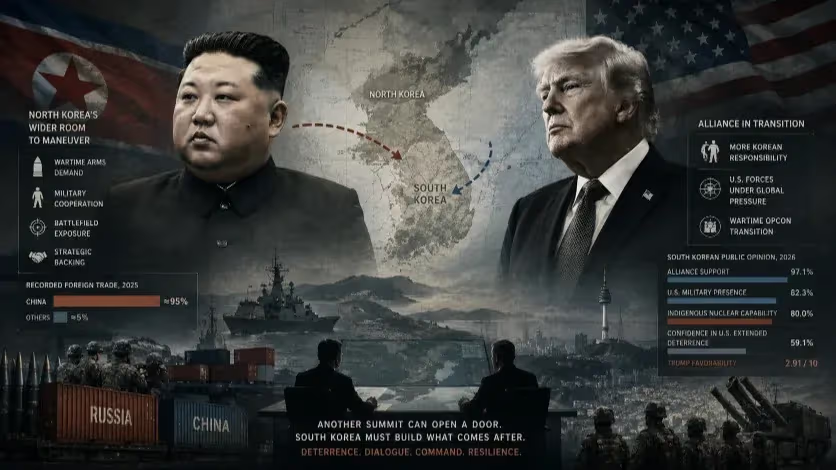
The Korean Peninsula Trump Is Returning To
Another Trump-Kim summit would unfold on a peninsula where North Korea is har...
More from the author
More from this byline
Stay with the same line of reporting through more work from this byline.
 NewsSep 18, 2026
The Other AI Race Is for the Freedom to Change Course
 NewsSep 5, 2026
How a Political Appointment Becomes a Judgment of Character
Reader Signal
Community readWhat did this report leave you with?
Choose the signal that best reflects your reading. Select it again to remove it.
One response per article
No response selected
A moderated conversation about the reporting.
One-level replies and newsroom moderation keep the conversation anchored to this article.
Discussion Status
Open
Please sign in to join the discussion.
Newsletter
Weekly reporting and context from Busan and Korea.