Post-COVID-19 Surge in Wellness Tourism: South Korea Adapts to the New Normal
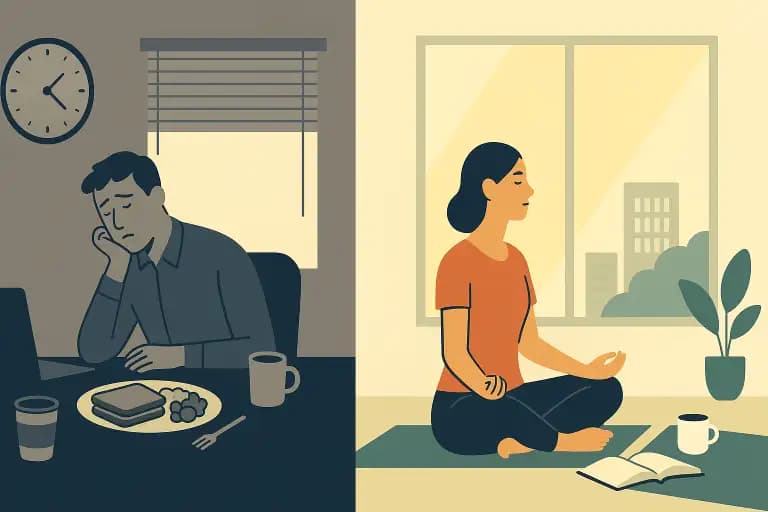
SEOUL - The rise of the COVID-19 pandemic has not only transformed how we live but also influenced our choices when it comes to travel. In South Korea, a notable trend emerges: the sharp increase in wellness tourism. Triggered by the widespread feelings of social isolation and melancholy during the pandemic, there's been a significant shift towards destinations that offer healing for both the body and mind. Wellness, a concept that intertwines well-being, happiness, and fitness, has seen a rene

SEOUL - The rise of the COVID-19 pandemic has not only transformed how we live but also influenced our choices when it comes to travel. In South Korea, a notable trend emerges: the sharp increase in wellness tourism. Triggered by the widespread feelings of social isolation and melancholy during the pandemic, there's been a significant shift towards destinations that offer healing for both the body and mind.
Wellness, a concept that intertwines well-being, happiness, and fitness, has seen a renewed focus. Whereas prior to the pandemic, wellness tourism largely revolved around meditation retreats, spas, and therapy-centric destinations, the modern iteration embraces a more holistic approach, blending leisure, relaxation, and restorative activities.
Embracing the Shift
Multiple regions in South Korea are actively developing infrastructures to cater to this trend. Large-scale projects, such as integrated resort complexes, rural vacation spots, and work-cation facilities, are under construction.
In Gumi, within Daegu Metropolitan City, plans are underway for a sprawling leisure complex to coincide with the launch of the new Daegu airport by 2030. This 2 million square meters project, estimated at 200 billion won, including land acquisition costs, will feature golf courses, hotels, upscale townhouses, and forest retreats.
Jeollabuk-do (North Jeolla Province) isn't left behind. Their ambitious 'Eco-Healing Hub Jeonbuk-do' project aims to vitalize eco-tourism in the eastern part of the province. With a total budget allocation of nearly 9 trillion won, they plan to invest in diverse areas ranging from eco-campsite development to luxury trails and ecological healing trekking programs.
In Busan, specifically Haeundae District, a unique initiative to support wellness tourism for working professionals is in motion. Dubbed the 'Workcation village', it offers a blend of workspace and vacation near the Songjeong Beach. The district administration revealed that Haeundae is the only district in Busan chosen for this pilot venture.
Another noteworthy project is the National Jideokwon Forest Healing Center in Jinan County, Jeollabuk-do. Scheduled for completion by August next year, it promises a retreat encompassing natural relaxation forests, healing woods, and wellness complexes, spanning an area of 617 hectares.
Chungcheongnam-do's Dangjin City too joins the brigade, accelerating the development of its rural tourism and relaxation complex. In collaboration with the theme park operator 'JOY', the city approved plans for a facility which includes water parks, glamping sites, and animal parks.
Looking Ahead
The undying desire for 'health' and 'happiness', intensified by the pandemic, indicates that even post-COVID, this trend will likely persist. Given the societal inclinations toward valuing leisure and the increasing average lifespan, the demand for wellness experiences is projected to grow continuously. Experts anticipate that wellness tourism will not only persist but thrive, playing a pivotal role in revitalizing regional economies.
Editorial Context
"Independent journalism relies on radical transparency. View our full log of editorial notes, corrections, and project dispatches in the Newsroom Transparency Log."
Reader Pulse
The report's impact signal
Be the first to provide a reading pulse. These collective signals help our newsroom understand the impact of our reporting.
Join the discussion
A more thoughtful conversation, anchored to the story
Atlantic-style discussion for this article. One-level replies, editor prompts, and moderation-first participation are now powered directly by Prisma.
Discussion Status
Open
Please sign in to join the discussion.
The Weekly Breeze
Independent reporting and analysis on Busan,
Korea, and the broader regional economy.