Savor the Last Glow of Fall in Gyeongju
As the vibrant hues of autumn begin to wane, the ancient city of Gyeongju offers a final opportunity to revel in the season’s golden splendor. Known as the "museum without walls," Gyeongju seamlessly weaves together Korea’s rich cultural heritage and natural beauty. This season, the city shines brighter than ever with its Gyeongbuk Millennium Forest Garden, a newly emerging hotspot for breathtaking autumn foliage, and Seongdong Market, where traditional Korean flavors provide warmth and comfort

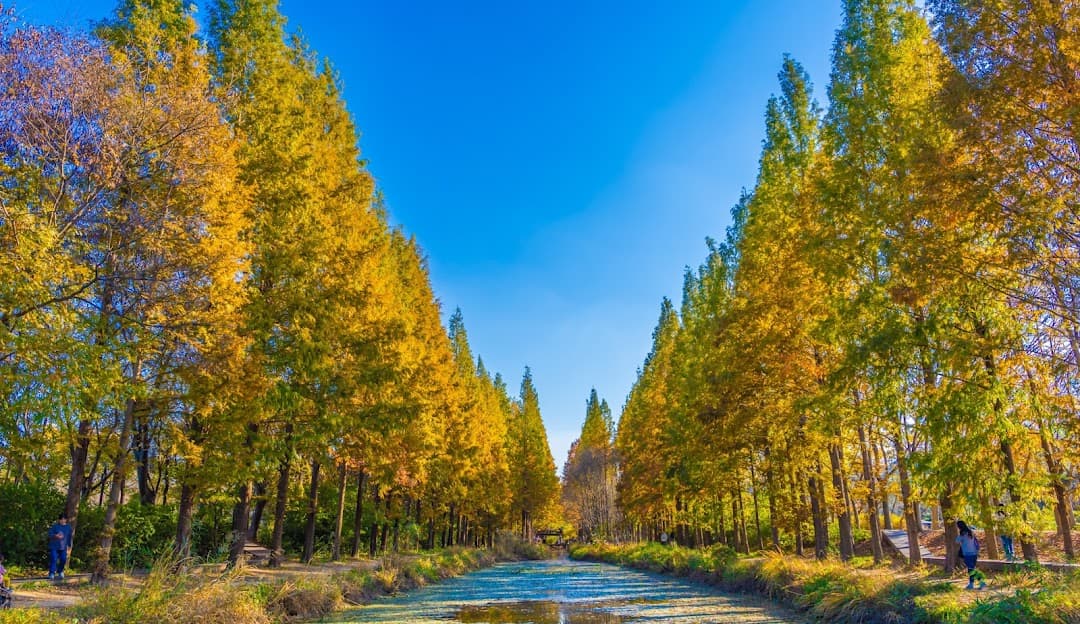
As the vibrant hues of autumn begin to wane, the ancient city of Gyeongju offers a final opportunity to revel in the season’s golden splendor. Known as the "museum without walls," Gyeongju seamlessly weaves together Korea’s rich cultural heritage and natural beauty. This season, the city shines brighter than ever with its Gyeongbuk Millennium Forest Garden, a newly emerging hotspot for breathtaking autumn foliage, and Seongdong Market, where traditional Korean flavors provide warmth and comfort in the crisp air. Whether you’re a lover of history, nature, or gastronomy, Gyeongju promises an unforgettable seasonal experience.
Gyeongbuk Millennium Forest Garden
Opened in April 2023, Gyeongbuk Millennium Forest Garden is quickly becoming one of Gyeongju’s most beloved destinations. This expansive 330,000-square-meter garden showcases 13 unique themed sections, offering something for every visitor. From the serene beauty of the Mirror Forest to the historically inspired Seorabeol Garden, each space invites visitors to explore and unwind.
Autumn transforms the garden into a vibrant masterpiece. With over 410 plant species, the forest bursts into an array of reds, oranges, and yellows from late October to early November. The Mirror Forest, with its clear stream reflecting towering metasequoia trees, becomes a top destination for capturing the beauty of the season. The Seorabeol Garden, designed to echo Silla’s heritage, features a small silver grass field and a rock garden inspired by the legendary Mount Danseok, where General Kim Yu-sin trained for unification.
Practical details make the garden an accessible escape for families and solo travelers alike. With free admission and convenient parking, it’s easy to plan a trip. The garden operates from 10:00 AM to 5:00 PM daily, though winter hours close at 4:00 PM. However, visitors should note that pets and outside food are not allowed.
Seongdong Market: A Culinary Journey
After a day immersed in nature, Gyeongju’s Seongdong Market offers a perfect follow-up with its authentic Korean buffet experience. Located in the heart of the city, the market is a bustling hub of flavors, sights, and sounds that provide a window into local life.
The market’s buffet-style restaurants are famed for their variety. Diners can choose from a colorful selection of side dishes, including stir-fried squid, kimchi pork stir-fry, braised pollock, seasoned greens, and more. These are paired with warm, hearty soups such as seaweed soup and beef radish soup. Each meal reflects Korea’s culinary tradition of balance, nourishment, and bold flavors—all at an affordable price.
The market’s charm lies in its unpretentious vibe. Children will enjoy classic Korean snacks like fried sausage and rolled omelets, while adults can savor complex flavors like marinated fish and braised beef. Seongdong Market encapsulates the warmth of a Korean home-cooked meal, making it a must-visit for anyone traveling through Gyeongju.
Cheomseongdae Observatory
No trip to Gyeongju is complete without a visit to Cheomseongdae Observatory, one of the oldest surviving astronomical observatories in the world. Built during the Silla Dynasty, this stone structure is a masterpiece of ancient engineering and a symbol of Korea’s scientific and cultural achievements.
In the autumn season, the observatory takes on an entirely new charm as it is surrounded by fields of pink muhly grass. These vibrant, feather-like plants create a striking contrast against the aged stones, offering visitors an exceptional photo opportunity. The best time to visit this area is early to mid-autumn when the muhly grass is in full bloom, creating an ethereal landscape around this historic site.
Late Autumn Delights: Persimmons and Seasonal Beauty
For visitors arriving in November, when the peak foliage has started to fade, Gyeongju offers another visual treat with its vibrant persimmon orchards. The trees, adorned with bright orange fruits, provide a unique seasonal experience that is both visually stunning and culturally significant. These orchards, often dotted around the city, are a perfect reminder of Korea’s connection to its agricultural roots.
Coupled with the earthy browns of late autumn leaves and the soft golden sunlight of November, the persimmon trees create a tranquil and picturesque setting. Visitors can enjoy leisurely walks, take photos, or even taste some fresh persimmons available at local markets.
For those hoping to catch the peak autumn foliage, late October to early November is ideal. However, late-season travelers can still enjoy the charm of persimmon orchards, pink muhly fields, and Gyeongju’s year-round cultural attractions.
From the golden leaves of Gyeongbuk Millennium Forest Garden to the hearty meals at Seongdong Market, Gyeongju is a city that celebrates the changing seasons in all its glory. The addition of historic landmarks like Cheomseongdae Observatory and seasonal delights such as persimmon orchards makes Gyeongju an ideal destination for travelers seeking a holistic cultural experience.
Whether you’re a history buff, a foodie, or simply someone looking to enjoy nature at its finest, Gyeongju promises an unforgettable journey through Korea’s autumn splendor. Plan your visit today, and let this ancient city leave a lasting impression.
Continue this reporting
Reporting on the same issue
Related coverage selected from the article's desk, topics and newsroom relationships.
 NewsApr 4, 2026
Why Alcohol Is Losing Ground Among Young Adults in South Korea
South Korea’s younger adults are not simply turning away from alcohol. They a...
 NewsJan 11, 2026
The Return of Poetry in the Age of AI
Generative AI has standardized language and accelerated communication. Poetry...
 NewsSep 29, 2025
Reading Korean: Why Hangul Fluency Hides a Growing Literacy Crisis
Korean students read Hangul with ease yet struggle with meaning. COVID widene...
More from the author
More from this byline
Stay with the same line of reporting through more work from this byline.
 NewsOct 9, 2026
Why “Busan Is Good” Falls Short as a City Brand
 NewsSep 18, 2026
The Other AI Race Is for the Freedom to Change Course
Reader Signal
Community readWhat did this report leave you with?
Choose the signal that best reflects your reading. Select it again to remove it.
One response per article
No response selected
A moderated conversation about the reporting.
One-level replies and newsroom moderation keep the conversation anchored to this article.
Discussion Status
Open
Please sign in to join the discussion.
Newsletter
Weekly reporting and context from Busan and Korea.