Busan’s Vision Stumbles Amid Governance Struggles
Busan, South Korea - Busan Metropolitan City has embarked on an ambitious path to establish itself as a global hub for youth and entrepreneurship. From expansive infrastructure projects to startup-friendly initiatives, the city seeks to redefine its identity on both the national and international stages. However, despite these grand ambitions, critical gaps in governance, resource allocation, and strategic planning have stymied the success of these efforts, revealing the inherent tension between

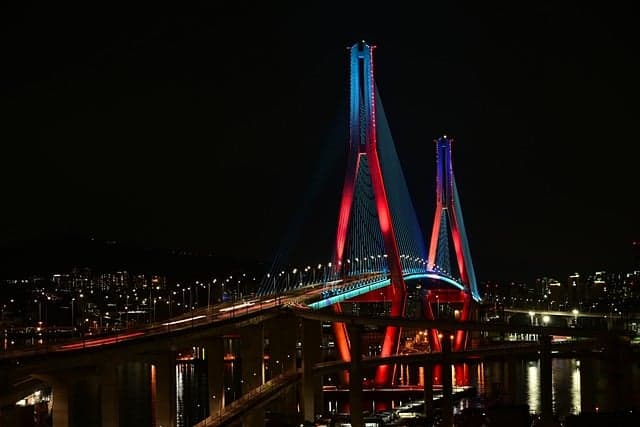
Busan, South Korea - Busan Metropolitan City has embarked on an ambitious path to establish itself as a global hub for youth and entrepreneurship. From expansive infrastructure projects to startup-friendly initiatives, the city seeks to redefine its identity on both the national and international stages. However, despite these grand ambitions, critical gaps in governance, resource allocation, and strategic planning have stymied the success of these efforts, revealing the inherent tension between visionary policy-making and pragmatic execution.
Busan’s failed bid to host the 2030 World Expo serves as a critical case study in the limitations of high-stakes international campaigns. Despite an estimated $445 million spent on the bid campaign, Busan lost to Riyadh, Saudi Arabia, in a vote that many saw as driven by financial incentives offered by the Middle Eastern powerhouse. While international event hosting can accelerate urban development and catalyze global investment, the failure to secure the Expo highlighted the city's over-reliance on prestige projects to drive growth.
Urban planning experts argue that the strategy behind Busan’s Expo bid lacked the nuanced geopolitical and economic foresight needed to compete with a vastly wealthier competitor. Additionally, the significant financial outlay directed at the bid detracted from other urgent urban priorities. This imbalance reveals a broader issue in urban governance: the tendency for cities to pursue global recognition at the expense of localized, sustainable development, a phenomenon often referred to as urban entrepreneurialism.
Busan’s efforts to transform itself into a startup hub, while ambitious, have faced significant structural deficiencies. Events like Fly Asia, designed to attract global investors and showcase the city’s entrepreneurial potential, illustrate Busan’s broader strategy of seeking global recognition in the startup ecosystem. However, despite successfully drawing international attention, Fly Asia has been criticized for its lack of long-term impact on the local startup scene. While the event provides short-term visibility for participating startups, there is a notable absence of the institutional infrastructure needed to sustain their growth.
Critics point to several key gaps, including the lack of continuous support mechanisms such as incubators, reliable access to venture capital, and ongoing mentorship—all essential components for nurturing a thriving startup ecosystem. Without these, the startups that gain exposure during events like Fly Asia often struggle to grow and scale in the long term.
This disconnect highlights a broader issue in Busan’s approach: the city’s entrepreneurial strategy is heavily focused on attracting international investment without placing equal emphasis on building local capacity. As a result, while Fly Asia brings global attention, it does not provide the structural support necessary for startups to thrive beyond the event, leaving a gap between the short-term exposure it offers and the long-term scalability that is critical for sustainable success.
The 15-minute city initiative, which aims to decentralize services and reduce dependency on long-distance commuting, represents a visionary approach to urban sustainability. However, Busan’s version of this global trend has faced significant implementation challenges. While the initiative promises to enhance urban livability by ensuring that essential services are accessible within a short distance, the absence of an integrated legal and regulatory framework has led to uneven progress across the city.
Urban planners suggest that Busan’s failure to fully execute the 15-minute city vision is indicative of poor inter-agency coordination and inadequate budgetary commitment. In many areas, the initiative remains a disconnected set of pilot projects, rather than a cohesive urban policy that transforms the city at scale. This reflects a broader challenge in urban policy-making, where bold initiatives are often launched without the necessary groundwork in governance, legal structure, and financial planning.
A major critique of Busan’s governance is its misalignment in public spending priorities. Public finance experts point to the need for equitable budget distribution that balances high-profile projects with the essential services that affect residents’ day-to-day lives. In Busan’s case, significant resources have been directed towards international events like the Expo bid and Fly Asia, while public services such as healthcare, affordable housing, and youth employment have seen comparatively less investment.
This imbalance has resulted in growing dissatisfaction among Busan’s younger population. A healthy urban ecosystem for young professionals requires not only opportunities for innovation but also affordable living conditions and access to quality public services. Without addressing these fundamental needs, Busan risks becoming an unsustainable city for young entrepreneurs, whose innovation is crucial for future growth.
Busan’s governance challenges reflect a broader issue in contemporary urban management: the pursuit of global city status through high-profile events and initiatives often leads to underinvestment in local infrastructure and social equity. As the city looks to the future, governance reforms must focus on enhancing policy coherence, ensuring that ambitious projects like the 15-minute city and Fly Asia are supported by the necessary regulatory frameworks, financial resources, and institutional coordination.
Urban development scholars argue that cities like Busan should pivot towards inclusive urbanism, where global ambitions are balanced with the everyday needs of residents. This involves moving away from the spectacle of one-time events and focusing on incremental, sustainable urban policies that foster long-term economic resilience, social equity, and environmental sustainability.
Busan’s push to transform into a vibrant, youth-centric startup hub has undoubtedly garnered international attention. With initiatives like the Fly Asia Expo and the 15-minute city plan, the city has made bold moves to position itself on the global stage. However, while these projects have brought visibility, they’ve also revealed critical governance gaps that are affecting the city’s ability to deliver real, lasting change for its residents.
Moving forward, Busan must focus on strategic realignment. This means prioritizing sustainable growth, ensuring that local startups have access to continuous resources, and investing in public infrastructure that makes the city livable for all its residents, not just attractive to global investors. By addressing these structural challenges and focusing on long-term, equitable public investment, Busan can become more than just a city of ambition—it can become a city where young people truly thrive, where innovation is supported not just in words, but in tangible, lasting ways.
Continue this reporting
Reporting on the same issue
Related coverage selected from the article's desk, topics and newsroom relationships.
 NewsOct 16, 2026
What Is Still Worth Going to See?
Busan’s biennale faces questions of artistic judgment and institutional care....
 NewsOct 14, 2026
What Became of Busan’s University Streets?
From 2015 to 2023, registered businesses grew near Pusan National University...
 NewsOct 12, 2026
Bukangi, the Shark That Stayed in Busan’s North Port
A rescue net guided Bukangi toward the sea, but the dusky shark returned to B...
More from the author
More from this byline
Stay with the same line of reporting through more work from this byline.
 NewsOct 9, 2026
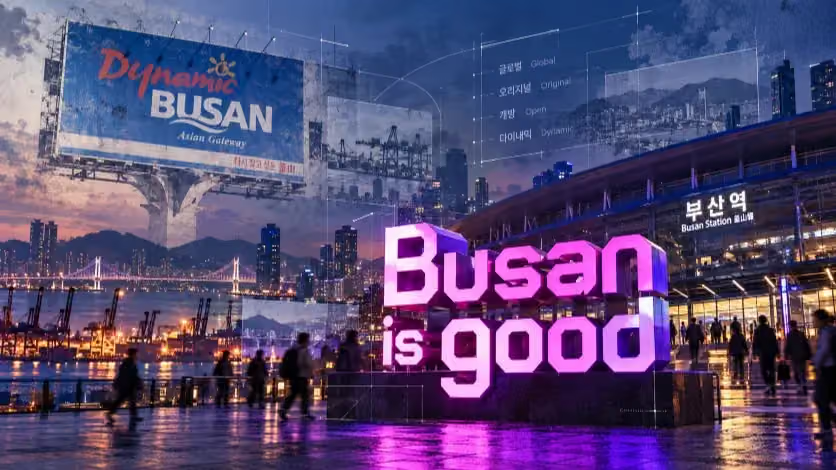
Why “Busan Is Good” Falls Short as a City Brand
 NewsSep 18, 2026
The Other AI Race Is for the Freedom to Change Course
Reader Signal
Community readWhat did this report leave you with?
Choose the signal that best reflects your reading. Select it again to remove it.
One response per article
No response selected
A moderated conversation about the reporting.
One-level replies and newsroom moderation keep the conversation anchored to this article.
Discussion Status
Open
Please sign in to join the discussion.
Newsletter
Weekly reporting and context from Busan and Korea.