Busan’s Ibagu-gil Gets a Startup Makeover—But Can It Succeed This Time?
Busan is transforming Ibagu-gil into a startup and co-living hub, aiming to break the cycle of past failed revitalization efforts. Can this new approach create a sustainable business ecosystem, or will history repeat itself?

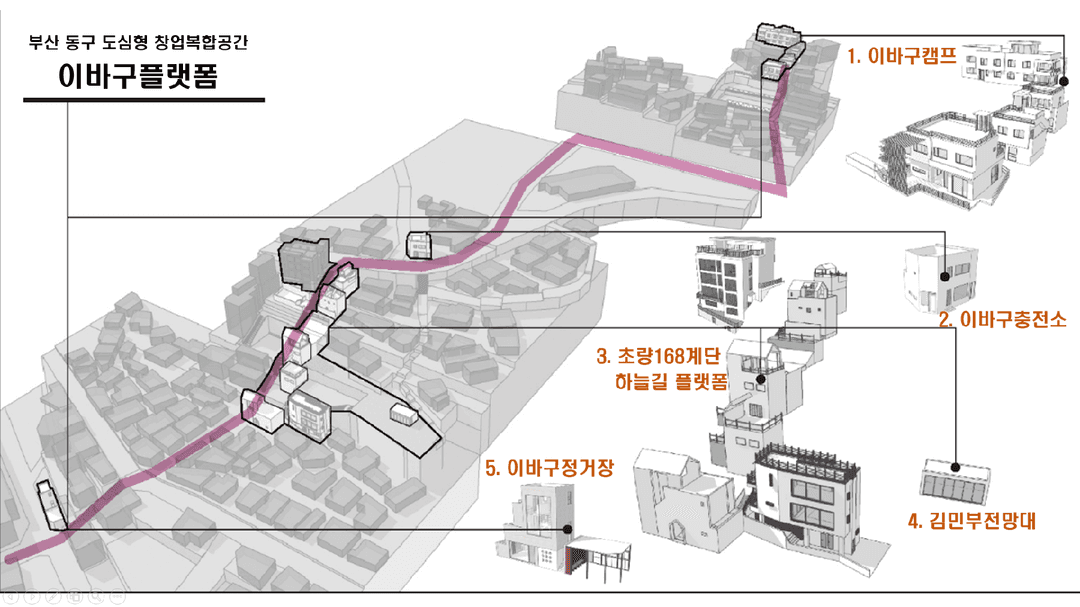
Busan, South Korea - For decades, Ibagu-gil, a winding alleyway in Busan’s Choryang-dong district, has stood as a relic of the city’s past. The 168 Steps, once a daily challenge for laborers and refugees returning home, now serve as a symbol of resilience in an ever-changing city.
Now, Busan is giving this historic neighborhood yet another facelift, this time with a startup and living hub aimed at young entrepreneurs. The new initiative integrates affordable workspaces, co-living units, and cultural businesses, transforming Ibagu-gil into a space where creativity and commerce can thrive.
At the project’s launch event, Busan Mayor Park Heong-joon emphasized its role in revitalizing the area: "This is about more than just urban renewal. We are building a sustainable ecosystem where young entrepreneurs can live, work, and grow their businesses while preserving the cultural identity of Ibagu-gil."
But for those familiar with Busan’s urban renewal history, the question remains: Will this be the project that finally succeeds where others have failed?
For years, Ibagu-gil has been the focus of multiple revitalization efforts, each promising to transform the historic alleyway into a thriving cultural and economic district. Yet, many of these projects failed to generate long-term growth, leaving behind empty storefronts and shuttered businesses.
The latest initiative—a startup and living hub for young entrepreneurs—seeks to break that cycle. The city hopes that by focusing on business incubation and residential integration, rather than just tourism and cultural branding, Ibagu-gil can sustain itself economically. But the question remains: Will this new strategy succeed where others have failed?
A History of Unfulfilled Promises
In previous years, city-led projects attempted to position Ibagu-gil as a cultural tourism destination. Funding was allocated to renovate old buildings, establish art spaces, and support local businesses that could attract visitors. The initiative initially sparked optimism among residents and business owners, with several small cafés and specialty shops opening in the area.
However, the excitement proved short-lived. Visitor numbers dwindled after the initial wave of promotions, and businesses that depended on tourist spending began to struggle. Many eventually closed, citing low foot traffic and inconsistent revenue streams.
Mr. Lee, a former business owner in the district, experienced these challenges firsthand. He recalled the initial enthusiasm surrounding the city’s investment in Ibagu-gil but noted how the momentum quickly faded.
"At first, people were curious. There were promotions, events, and a lot of interest. But over time, the visitors stopped coming. Without regular customers, we couldn’t keep going," he said.
The sentiment was echoed by Ms. Kim, a café owner who has witnessed multiple revitalization attempts in the area. She remains skeptical about the new startup hub, worried that it might follow the same pattern as previous projects.
"Every few years, there’s a new plan to ‘revitalize’ Ibagu-gil, but the problem is always the same. If there isn’t real demand, businesses won’t last. The city brings in funding, but what happens after that?" she questioned.
The core issue, critics argue, was that previous projects relied heavily on government subsidies and short-term attractions but failed to establish a self-sustaining economic model. Once the funding dried up, so did the businesses.
A Different Approach—or More of the Same?
The new startup and living hub marks a shift in strategy, focusing less on tourism and more on fostering an entrepreneurial ecosystem. Unlike previous revitalization efforts, this project integrates affordable residential units, co-working spaces, and business incubators, aiming to attract young professionals who can live and work in Ibagu-gilrather than just visit.
The initiative has been developed with input from local startup networks and business development groups, ensuring that the space is tailored to the needs of early-stage entrepreneurs. The goal is to establish an economic foundation driven by business activity, reducing dependence on government funding or seasonal tourism fluctuations.
Despite these efforts, concerns remain about whether this approach will be enough to overcome the historical challenges of Ibagu-gil.
Unanswered Questions and Potential Risks
While the new project offers a more integrated economic model, it still faces significant hurdles.
One of the biggest challenges is whether young entrepreneurs will actually choose Ibagu-gil as their base. While Busan has invested in developing a startup ecosystem, most new businesses still gravitate toward Seoul, where venture capital, business networks, and talent pools are more concentrated.
Creating a space for startups is not enough. The city needs to ensure that there is a reason for entrepreneurs to stay, whether through continued financial incentives, strong business networks, or policies that make it easier to scale up operations.
Beyond demand, the location itself poses challenges. Ibagu-gil’s steep, winding alleys and distance from Busan’s major commercial hubs make it less accessible than other startup-friendly districts. Businesses relying on regular foot traffic may find it difficult to attract customers, especially if nearby areas remain more convenient.
Additionally, the long-term sustainability of the project remains uncertain. Past urban renewal projects often started strong but struggled once government funding ended. If the startup hub does not establish a self-sufficient economy, it could follow the same trajectory.
Busan has positioned itself as a growing startup hub in Asia, investing in AI, fintech, and creative industries to attract young entrepreneurs. If the Ibagu-gil startup hub succeeds, it could become a model for other historic districtslooking to integrate business development with urban renewal.
But if it fails to generate long-term economic activity, it risks becoming another example of a well-intentioned but short-lived revitalization effort.
As the first businesses begin moving into the hub, all eyes are on whether this latest attempt to breathe new life into Ibagu-gil will truly stand the test of time.
Continue this reporting
Reporting on the same issue
Related coverage selected from the article's desk, topics and newsroom relationships.
 NewsOct 16, 2026
What Is Still Worth Going to See?
Busan’s biennale faces questions of artistic judgment and institutional care....
 NewsOct 14, 2026
What Became of Busan’s University Streets?
From 2015 to 2023, registered businesses grew near Pusan National University...
 NewsOct 12, 2026
Bukangi, the Shark That Stayed in Busan’s North Port
A rescue net guided Bukangi toward the sea, but the dusky shark returned to B...
More from the author
More from this byline
Stay with the same line of reporting through more work from this byline.
 NewsOct 9, 2026
Why “Busan Is Good” Falls Short as a City Brand
 NewsSep 18, 2026
The Other AI Race Is for the Freedom to Change Course
Reader Signal
Community readWhat did this report leave you with?
Choose the signal that best reflects your reading. Select it again to remove it.
One response per article
No response selected
A moderated conversation about the reporting.
One-level replies and newsroom moderation keep the conversation anchored to this article.
Discussion Status
Open
Please sign in to join the discussion.
Newsletter
Weekly reporting and context from Busan and Korea.