Busan Strengthens Economic Strategies Ahead of Trump’s Second Term
Busan, South Korea - With Donald Trump set to return to the White House for a second term, the global economic landscape faces renewed uncertainty. In response, Busan, South Korea’s second-largest city and a vital hub of trade and industry, is taking proactive measures to shield its economy from potential turbulence. On December 2, Mayor Park Heong-joon hosted a meeting of public and private sector leaders to assess potential impacts and discuss strategies to navigate the shifting international

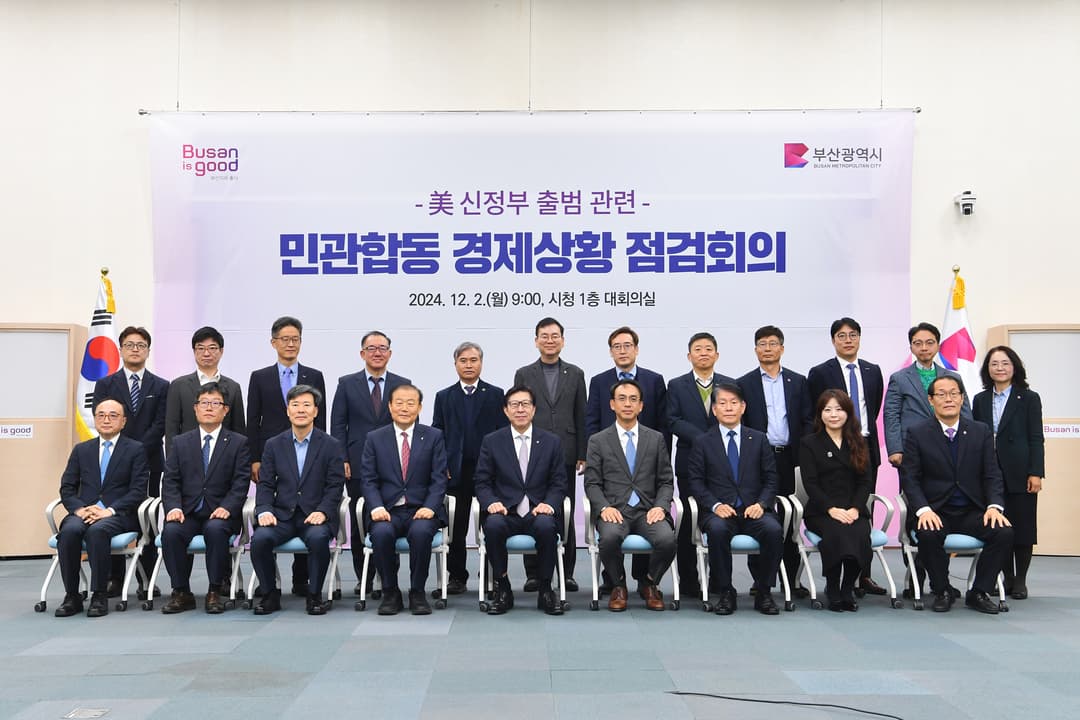
Busan, South Korea - With Donald Trump set to return to the White House for a second term, the global economic landscape faces renewed uncertainty. In response, Busan, South Korea’s second-largest city and a vital hub of trade and industry, is taking proactive measures to shield its economy from potential turbulence. On December 2, Mayor Park Heong-joon hosted a meeting of public and private sector leaders to assess potential impacts and discuss strategies to navigate the shifting international environment.
The meeting, held at City Hall, brought together representatives from key sectors, including finance, trade, and industry, alongside academics and business leaders. The discussions focused on the implications of anticipated U.S. policies, which are expected to include heightened protectionism and stricter trade measures. Busan, as an export-driven city with a globally connected port, faces both risks and opportunities in adapting to these changes.
Mayor Park opened the meeting by emphasizing the importance of preparation, stating that the city must act proactively to minimize economic disruptions. The event underscored the need for coordinated responses to mitigate challenges and foster opportunities for growth.
The expected policies of Trump’s administration—such as increased tariffs and a focus on “America First” trade—pose particular challenges for Busan’s core industries. Exporters of automotive parts, electronics, and logistics services are among those likely to feel the effects most acutely.
Protectionist trade policies could create barriers for Busan’s export-heavy industries, highlighting the importance of a coordinated and proactive response. The city’s reliance on international trade underscores the urgency for measures to protect its economy from potential disruptions.
Small and medium enterprises (SMEs), which form the backbone of Busan’s economy, are especially vulnerable. Many rely on stable trade relationships and predictable market conditions, both of which could be disrupted by shifting U.S. policies. Companies like Hyundai AutoTech, a local automotive parts manufacturer, face significant challenges in navigating the uncertainties of global trade.
To address these challenges, Busan unveiled a three-pronged strategy centered on public-private collaboration, immediate trade and financial support, and long-term industrial adaptation. At the heart of the plan is a new Public-Private Response Taskforce, which will bring together government officials, business leaders, and industry experts to coordinate measures across trade, finance, and logistics sectors.
The city has committed to expanding financial support for exporters, doubling its export voucher program budget to four billion won by 2025. Additionally, new subsidies will help offset rising logistics costs and provide insurance against currency fluctuations for SMEs. These measures aim to stabilize Busan’s economic ecosystem during potential global disruptions.
Busan is also focusing on diversifying its trade relationships to reduce reliance on the U.S. and China. By strengthening ties with emerging markets in Southeast Asia and the Middle East, the city aims to open new opportunities for its businesses. Diversification is seen as a key strategy for building economic resilience.
Looking beyond immediate challenges, Busan is investing in its future by fostering innovation in emerging industries such as renewable energy, artificial intelligence, and blockchain. These sectors are seen as potential growth drivers that can offset vulnerabilities in traditional industries like manufacturing and logistics.
The city’s support extends to workforce training and technology development, preparing local industries for a rapidly evolving global market. This dual focus on immediate stabilization and long-term competitiveness aims to sustain growth in a volatile environment.
The collaborative nature of the city’s efforts was evident during the meeting, which emphasized the role of public and private stakeholders in crafting a unified response. The meeting concluded with a commitment to monitor global developments closely and adjust strategies as needed. Mayor Park emphasized the need for a vigilant and flexible approach, aiming to ensure Busan remains a leader in adapting to global economic challenges.
While Busan’s proactive strategies demonstrate a commendable commitment to economic stability, questions remain about their effectiveness in addressing the broader challenges posed by global economic shifts. Critics argue that even the most robust local measures may struggle to offset the impact of external forces, such as U.S.-China trade tensions or volatile global markets. The city’s reliance on export-driven industries could leave it particularly exposed if international demand falters.
Moreover, the effectiveness of proposed measures like trade diversification hinges on long-term execution, which could face hurdles such as budget constraints, shifting political priorities, or insufficient industry adoption. Efforts to support SMEs, though vital, may be hampered by limited resources or bureaucratic inefficiencies, particularly as the city seeks to expand its reach into new markets.
While Mayor Park and his team have laid out a clear plan, its ultimate success will depend on sustained collaboration between stakeholders and the ability to adapt swiftly to evolving challenges.
Continue this reporting
Reporting on the same issue
Related coverage selected from the article's desk, topics and newsroom relationships.
 NewsOct 16, 2026
What Is Still Worth Going to See?
Busan’s biennale faces questions of artistic judgment and institutional care....
 NewsOct 14, 2026
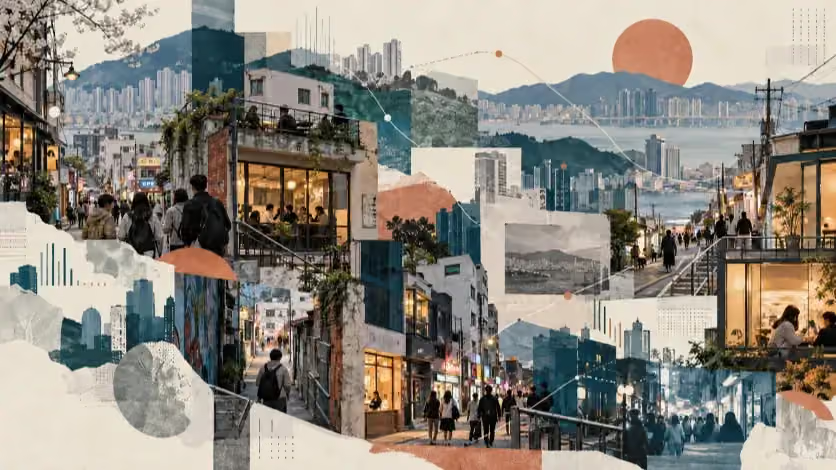
What Became of Busan’s University Streets?
From 2015 to 2023, registered businesses grew near Pusan National University...
 NewsOct 12, 2026
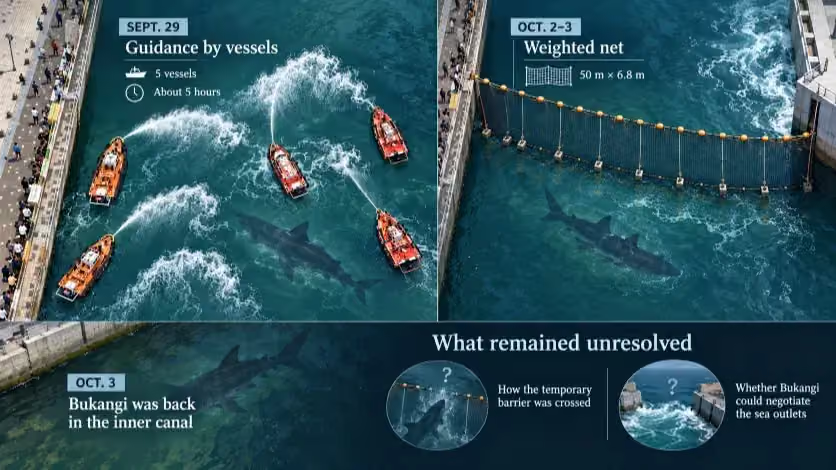
Bukangi, the Shark That Stayed in Busan’s North Port
A rescue net guided Bukangi toward the sea, but the dusky shark returned to B...
More from the author
More from this byline
Stay with the same line of reporting through more work from this byline.
 NewsOct 9, 2026
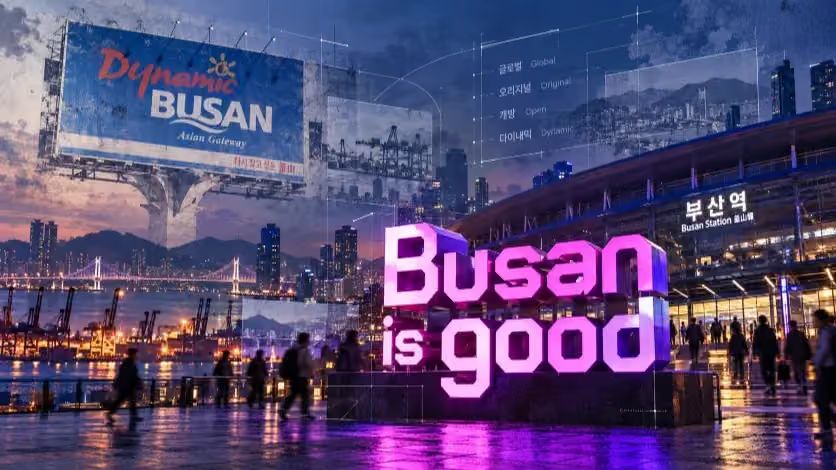
Why “Busan Is Good” Falls Short as a City Brand
 NewsSep 18, 2026
The Other AI Race Is for the Freedom to Change Course
Reader Signal
Community readWhat did this report leave you with?
Choose the signal that best reflects your reading. Select it again to remove it.
One response per article
No response selected
A moderated conversation about the reporting.
One-level replies and newsroom moderation keep the conversation anchored to this article.
Discussion Status
Open
Please sign in to join the discussion.
Newsletter
Weekly reporting and context from Busan and Korea.