KFTC’s Record Fine on Coupang Halts Busan Logistics Center Plans
On June 13, 2024, the Korea Fair Trade Commission (KFTC) imposed a historic fine of 140 billion won on Coupang for its unfair business practices, including manipulating search algorithms to unfairly prioritize its private label (PB) products. This decision has significant implications for fair competition and local businesses. Coupang, one of South Korea’s largest e-commerce platforms, has been at the center of controversy for manipulating search algorithms to favor its private label products o

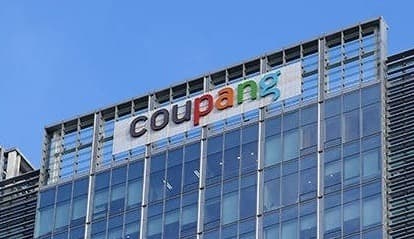
On June 13, 2024, the Korea Fair Trade Commission (KFTC) imposed a historic fine of 140 billion won on Coupang for its unfair business practices, including manipulating search algorithms to unfairly prioritize its private label (PB) products. This decision has significant implications for fair competition and local businesses.
Coupang, one of South Korea’s largest e-commerce platforms, has been at the center of controversy for manipulating search algorithms to favor its private label products over those of other suppliers. This practice misleads consumers and disadvantages other sellers, undermining the principles of fair competition. Additionally, Coupang has been found guilty of coercing suppliers into offering their lowest prices exclusively on its platform and penalizing those who did not comply. These actions have distorted the market, placing undue pressure on suppliers and reducing the visibility of their products to consumers.
The fine has caused Coupang to halt its planned investments in new logistics infrastructure in Busan. The company had announced a substantial investment plan to enhance its logistics capabilities, including the establishment of a new advanced logistics center. This center was part of a broader strategy to expand its rapid delivery services and boost local economic growth through job creation and improved supply chain efficiency.
However, due to the financial burden imposed by the fine and the ongoing legal challenges, Coupang has informed Busan city officials and relevant stakeholders that the groundbreaking ceremony for the new logistics center, initially set for June 20, has been canceled. This decision raises concerns about the potential delays in the development of essential logistics infrastructure and the economic impact on the local community.
Coupang argues that the KFTC's decision will cause confusion for consumers, especially those who rely on the speed and convenience of Rocket Delivery. For example, if a consumer orders essential items like diapers or baby formula at 11:58 PM for next-day delivery, they may now see slower, more expensive open market items with high cumulative sales over the past 4-5 years. This change, according to Coupang, could disrupt the seamless 'recommendation→purchase→delivery→restock' flow that is central to their business model.
Coupang’s rapid growth over the past few years, with annual revenue increases of 20% and a customer base of 21.5 million active users, has been largely driven by the efficiency of its Rocket Delivery service. Industry experts note that this service's success is underpinned by a sophisticated consumer interface (UX) system that recommends high-quality products. Without this system, the synergy with fast delivery would not be as effective.
The restriction on product recommendations imposed by the KFTC could lead to a decline in consumer satisfaction and usability of Coupang's platform. If consumers find it harder to access the products they need quickly and reliably, it could result in decreased sales for Coupang. This, in turn, could reduce the company's revenue and investment capacity, potentially affecting its ability to expand and innovate.
In an official statement through its newsroom in April, Coupang described the regulation of product placement as unprecedented and fundamentally at odds with the core practices of the retail industry worldwide. The company emphasized that product placement is an inherent right and essential aspect of retail operations.
Other retailers are also concerned about the broader implications of the KFTC's decision. A marketing manager from a leading retail company pointed out that the KFTC's extensive and vague regulations make it difficult to explain the reasons for product prioritization to consumers. This could lead to a situation where unpopular but high-quality and affordable products are relegated to lower search ranks, making them harder for consumers to find.
Retailers like E-Mart, Baedal Minjok, SSG.com, and Kurly, which also prioritize PB products or popular brands in their online and offline spaces, fear that the Coupang case could set a precedent. If diverse recommendation methods are curtailed, consumer benefits may diminish significantly.
While the KFTC’s decision to impose a record fine on Coupang is a necessary step to ensure fair competition and protect consumer interests, it also highlights the complex interplay between regulatory actions and market dynamics. The restriction on Coupang’s product recommendations could lead to broader market changes, impacting consumer satisfaction and local economies.
The Weekly Breeze
Keep pace with Busan's deep narratives.
Delivered every Monday morning.