How Climate Change Is Reshaping Korean Cuisine
Korean cuisine, long celebrated for its balance, accessibility, and cultural richness, is undergoing a profound transformation. Traditional staples like kimchi, gimbap, and gukbap have been more than just meals; they’ve served as cultural anchors, connecting families and communities across generations. Known for their resilience and simplicity, these dishes encapsulated the adaptability of Korean life. However, forces like inflation, strained supply chains, and climate change are reshaping these

Korean cuisine, long celebrated for its balance, accessibility, and cultural richness, is undergoing a profound transformation. Traditional staples like kimchi, gimbap, and gukbap have been more than just meals; they’ve served as cultural anchors, connecting families and communities across generations. Known for their resilience and simplicity, these dishes encapsulated the adaptability of Korean life. However, forces like inflation, strained supply chains, and climate change are reshaping these beloved foods, making them less accessible and more costly.
What were once everyday staples are now being re-evaluated as cultural treasures and, increasingly, as luxury items. As these dynamics unfold, Koreans are rethinking the role of their traditional foods—balancing nostalgia with practicality and questioning whether these meals can still serve as both daily sustenance and symbols of cultural identity.
Economic pressures have turned once-affordable dishes into costly choices. Kimchi, a national staple and symbol of resourcefulness, now exemplifies how external forces disrupt tradition. Erratic weather patterns and climate change have affected napa cabbage harvests, causing price spikes that ripple through Korean households. The communal practice of kimjang—making kimchi together in the autumn—is becoming less common as rising ingredient costs drive families toward pre-made alternatives, diminishing a tradition that fostered community and continuity.
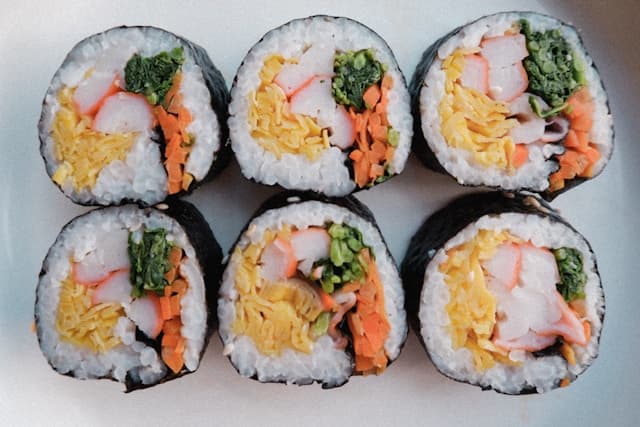
Gimbap, traditionally an inexpensive and portable meal, faces similar challenges. Rising costs for ingredients like eggs, seaweed, and spinach have pushed prices to levels that make gimbap less economical. Many small family-run shops are closing under the strain, and gimbap is shifting from a budget-friendly staple to a nostalgic symbol of simpler times.
Even gukbap, a humble rice soup long associated with working-class resilience, is no longer immune to rising prices. Historically seen as a budget-friendly alternative to fast food, gukbap once rivaled or even undercut the cost of a hamburger meal. However, recent years have seen a reversal of this dynamic. While a Big Mac in South Korea now averages around 6,100 KRW (as of 2024), the cost of gukbap has surged to between 9,000 and 12,000 KRW in many areas. This price increase forces consumers to reconsider its role in their diets, transforming what was once an emblem of affordable nourishment into a less accessible choice for everyday meals.
The growing expense of gukbap raises concerns about its detachment from its working-class roots. As a dish that symbolized sustenance and simplicity, its shift into a higher price bracket underscores broader economic and cultural changes in how traditional foods are valued and consumed in modern Korea.
These changes signify more than price fluctuations—they represent a transformation in how Koreans relate to their culinary traditions. As costs rise, so does the cultural significance of these foods, turning them into symbols of heritage and pride.
The evolving perception of Korean cuisine reflects a broader shift in how Koreans understand the value of their traditional foods. Dishes like kimchi, gimbap, and gukbap have always been more than just sustenance; they’ve symbolized resilience, community, and shared heritage.
Kimjang, the communal making of kimchi, represents this shift most poignantly. Historically, kimjang embodied cooperation, with families and neighbors preparing large quantities of fermented vegetables for the winter. Today, rising ingredient costs and urban lifestyles have made this practice less common. For many families, store-bought kimchi is a more practical option, but it comes at the cost of losing the cultural bonds that kimjang fostered for generations.
Similarly, gimbap, known for its adaptability and simplicity, became a symbol of modernization during Korea’s industrial era. However, as prices rise and fine dining reinterpretations appear, its role as a daily staple is evolving. High-end versions of gimbap, featuring ingredients like truffle oil or wagyu beef, highlight its versatility but also shift its perception from a meal of convenience to a marker of cultural pride.
Gukbap, too, has shifted from a humble dish of necessity to a cultural emblem. While its rising price distances it from its working-class roots, this transformation underscores its deeper significance as a link to Korea’s culinary history.
Netflix’s Culinary Class Wars: Chef Hierarchy has transformed how Koreans view fine dining, turning chefs into cultural icons and introducing audiences to the artistry of high-end Korean cuisine. Fine dining now serves as a platform for innovation, with chefs reinterpreting traditional dishes like gujeolpan and sinseollo through modern techniques and premium ingredients. These reimaginings highlight Korea’s culinary sophistication but also raise questions about authenticity and accessibility.
The fine dining industry in Korea faces unique challenges. Cultural habits, such as family-style dining, often clash with the extended courses of fine dining. Additionally, the separation of food and drink in Korean dining culture limits the profitability of wine pairings, a key revenue stream in Western fine dining. Even Michelin-starred establishments struggle, as evidenced by the closure of Gaon, Korea’s only Michelin three-star restaurant.
While fine dining elevates Korean food’s global profile, it also risks alienating its roots. Dishes like gimbap, reimagined with luxury ingredients, may appeal to affluent diners but challenge the accessibility that once defined them. The rise of fine dining prompts Koreans to reconsider what they value in their cuisine: can innovation coexist with tradition?
Amid these transformations, efforts to sustain and preserve Korean culinary heritage are gaining traction. Climate-resilient farming practices, like smart agriculture and vertical farming, aim to protect staple crops such as napa cabbage and peppers. These innovations, coupled with research into drought-resistant crops, are crucial for ensuring food security and maintaining traditional dishes.
At the same time, educational initiatives are reviving practices like kimjang. Community events and festivals encourage participation across generations, fostering a renewed appreciation for this tradition. Meanwhile, modern adaptations of traditional dishes—like vegan or keto-friendly versions of bibimbap—demonstrate the adaptability of Korean cuisine to contemporary tastes.
The Weekly Breeze
Keep pace with Busan's deep narratives.
Delivered every Monday morning.