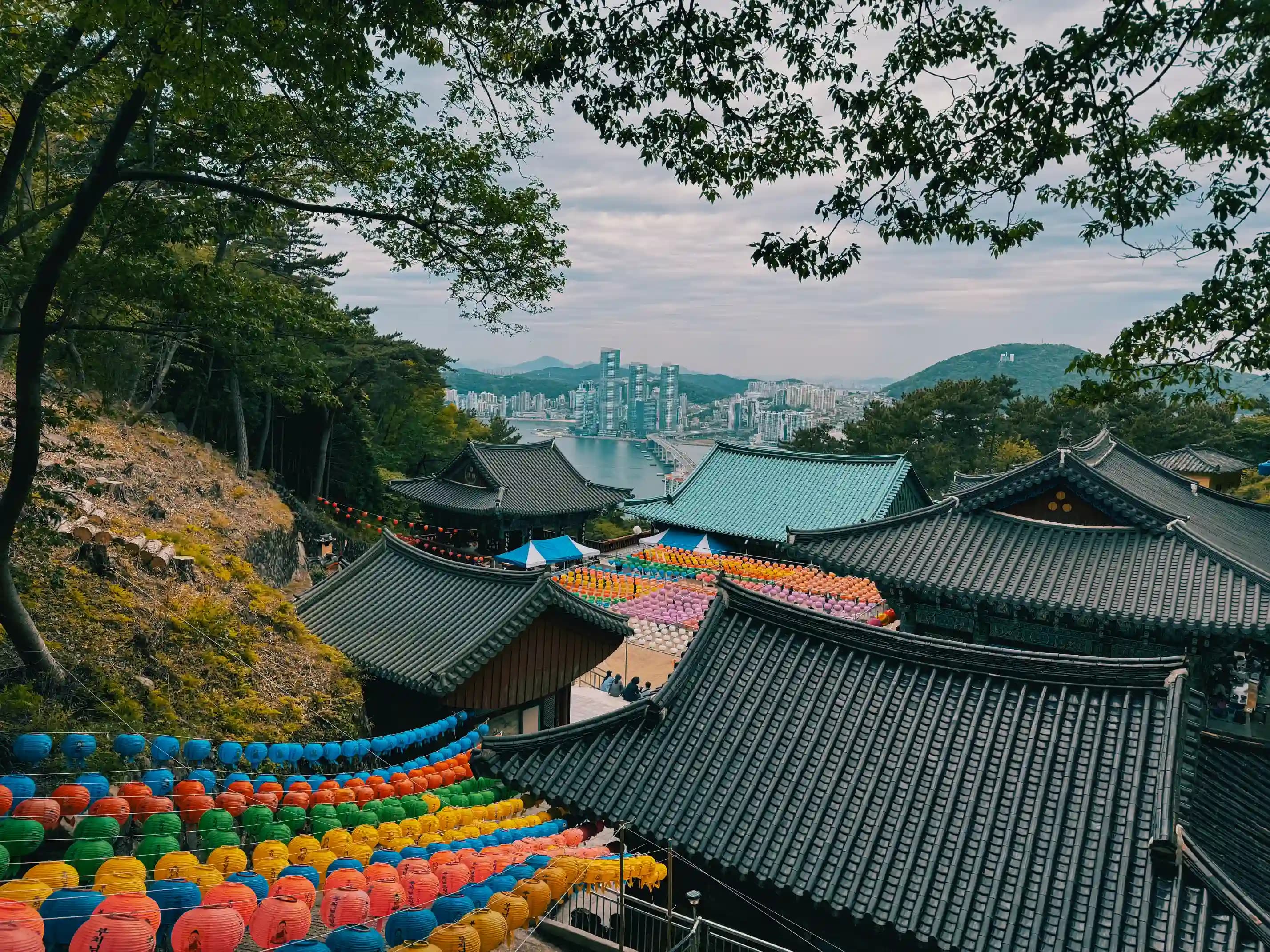
Busan’s 86 Bus and the City’s Secret Scenic Route
Imagine this: as you explore Busan, your favorite music in your ears, you board the 86 bus and let it take you through the winding sanbokdoro roads. With the cityscape and sea unfolding outside, the bus becomes your moving sanctuary—a moment of peaceful reflection. Why not take a break from the hustle, and let the scenic route inspire your own personal journey? Every city has its hidden gems, but few reveal their treasures quite like Busan’s 86 bus. For travelers venturing beyond the polished b

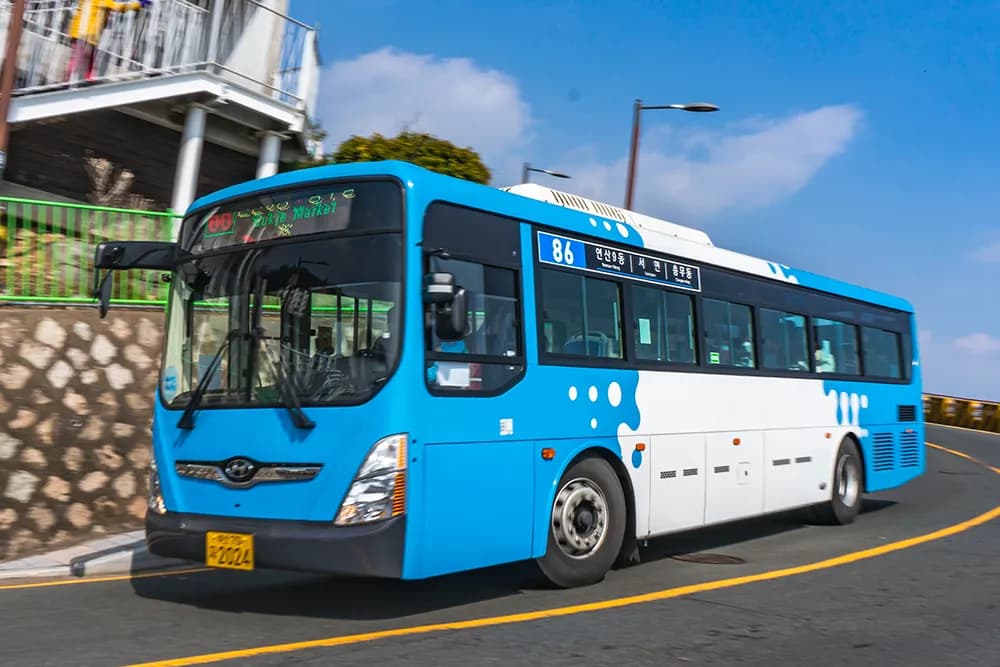
Imagine this: as you explore Busan, your favorite music in your ears, you board the 86 bus and let it take you through the winding sanbokdoro roads. With the cityscape and sea unfolding outside, the bus becomes your moving sanctuary—a moment of peaceful reflection. Why not take a break from the hustle, and let the scenic route inspire your own personal journey?
Every city has its hidden gems, but few reveal their treasures quite like Busan’s 86 bus. For travelers venturing beyond the polished beaches and bustling markets, this route offers an invitation to explore a side of the city where mountains hug the coastline and history clings to the hills. The 86 bus winds through these elevated roads, known locally as sanbokdoro, offering not just a way to get around, but a journey through Busan’s natural beauty and storied past.
The Story of Busan’s Sanbokdoro: A Road Forged in History
Busan’s sanbokdoro, or mountainside roads, are not just paths etched into the city’s steep terrain—they are physical remnants of a pivotal period in modern Korean history. These roads trace back to the aftermath of the Korean War, when Busan became a sanctuary for refugees fleeing the conflict. As the city’s flatlands became overcrowded, thousands of people were forced to build homes along the hills surrounding Busan, giving rise to the densely populated hillside neighborhoods. These impromptu settlements turned the once-quiet hills into vibrant communities, with homes stacked precariously on the slopes and winding roads connecting them to the bustling city below.
The sanbokdoro played a crucial role in linking these highland neighborhoods to the rest of Busan. While originally a symbol of survival during desperate times, today, these roads provide stunning panoramic views of the city and its harbor. Famous routes such as the one around Ibagu-gil offer not only breathtaking scenery but also a glimpse into the city’s past, with murals and stories that tell of the resilience of those who settled here. The 168 Stairs in the Yeongju-dong neighborhood, for instance, remind us of the steep climbs that early residents made daily, a symbol of perseverance that endures today.
These sanbokdoro have since become vital arteries connecting the city’s past to its present. Today, the 86 bus route snakes through these historic hills, offering a glimpse into a bygone era while providing access to some of Busan’s most striking views. One of the most evocative stops along the route is Ibagu-gil, where murals and local museums like the Ibagu Workshop preserve the stories of those who lived through Busan's most challenging periods. The 86 bus, winding along these historic paths, carries you not just through the streets but through layers of history that define this city.
https://youtu.be/U1VrNdWKEWY?si=UrsQrqv9uEMpBrrr Busan 86 Bus Ride: Scenic and Historical Journey
Views Worth the Climb
As the 86 bus ascends, it rewards passengers with panoramic views of Busan’s sprawling cityscape and its vibrant port. The Yeongju Samgeori offers some of the most breathtaking vistas, as the bus winds through the heights of Busan, allowing travelers to take in sweeping views of the sea, the bustling port, and the buildings below. By night, these views transform into a dazzling array of city lights, making the 86 bus a hidden gem for nighttime sightseeing.
Among the most scenic stops is the Ibagu Skyway, a stretch of road high above Busan’s port that serves as a perfect lookout point. The skyway is a favorite among travelers for its unobstructed views of the harbor and the surrounding city. Nearby, the Ibagu Workshop provides an intimate glimpse into the city’s past, preserving stories of the people who lived and worked in Busan’s hills during its most challenging years.
The 86 bus is more than just a convenient route—it’s a journey through Busan’s history, culture, and topography. From the 168 Stairs and Ibagu-gil to the soaring views from Yeongju Samgeori, the bus offers an unparalleled perspective on the city’s development. For history buffs, the nearby Busan Modern & Contemporary History Museum and Chinatown in Choryang also provide insight into Busan’s role in modern Korean history.
The bus route not only connects travelers to significant historical landmarks but also provides access to some of Busan’s most charming hidden gems. The Gamcheon Culture Village, once a refugee camp and now a vibrant artist community, is easily accessible from the bus and is one of the city’s most colorful and creative destinations.
Tips for Travelers
To make the most of this unique bus journey, travelers are encouraged to sit strategically: on the right side when traveling toward Seomyeon, and on the left when heading to Nampo-dong, to capture the best views of the city and sea. The 86 bus operates from 4:50 AM to 11:20 PM, making it an excellent option for both daytime exploration and nighttime sightseeing.
For those who appreciate a slower, more immersive experience, hopping off at Ibagu Skyway or Yeongju-dong for a walking tour will provide even more insight into Busan’s layered history. Here, visitors can explore local museums, enjoy quiet hillside strolls, and even take the famous monorail that now aids in navigating these steep paths.
Far from being just another mode of public transport, Busan’s 86 bus offers a lens into the city’s soul. It is a moving exhibition of resilience, history, and beauty—an experience that allows travelers to climb the hills of Busan, both literally and figuratively, one curve at a time. Whether you are seeking historical insight, stunning views, or simply a unique way to see the city, the 86 bus will take you there.
For the curious traveler, this route offers more than a ride; it’s a journey into Busan’s past, present, and the mesmerizing landscapes in between.
The Weekly Breeze
Keep pace with Busan's deep narratives.
Delivered every Monday morning.