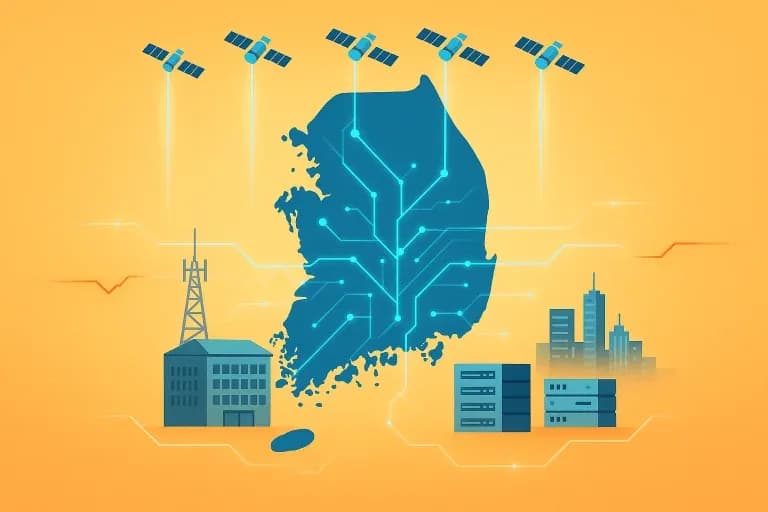
AI Outpaces Humans in Medical Diagnostics
In a groundbreaking revelation, artificial intelligence (AI) has demonstrated its ability to outpace human expertise in medical diagnostics, particularly in the highly complex field of stroke prediction. At the inaugural Stroke AI International Validation Seminar held on October 11 in Seoul, an AI-powered system developed by JLK, South Korea's leading medical AI company, showcased a remarkable 72% accuracy rate in predicting short-term stroke outcomes. This achievement decisively outperformed l

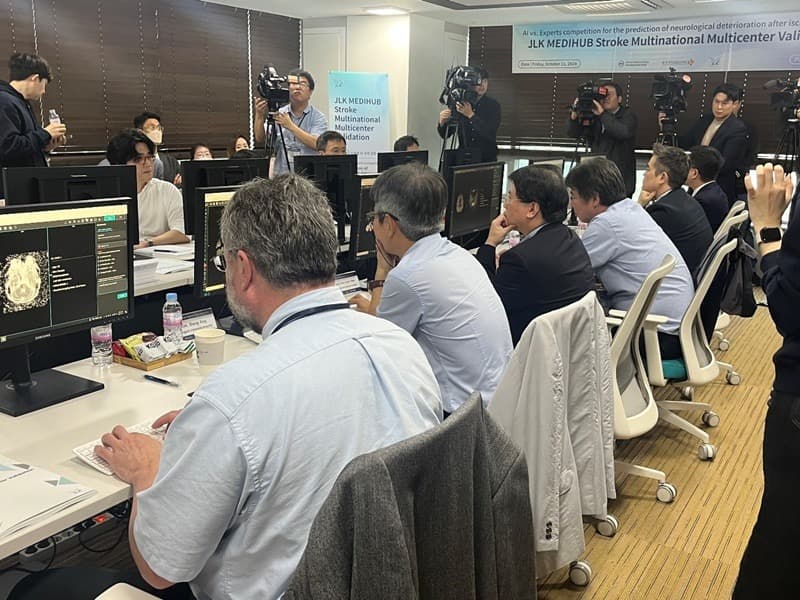
In a groundbreaking revelation, artificial intelligence (AI) has demonstrated its ability to outpace human expertise in medical diagnostics, particularly in the highly complex field of stroke prediction. At the inaugural Stroke AI International Validation Seminar held on October 11 in Seoul, an AI-powered system developed by JLK, South Korea's leading medical AI company, showcased a remarkable 72% accuracy rate in predicting short-term stroke outcomes.
This achievement decisively outperformed leading medical professionals, who achieved an average accuracy of 50%. Additionally, JLK's AI solution completed diagnoses in just 12 minutes, compared to the experts’ average of 45 minutes. These results highlight the transformative potential of AI in healthcare.
The seminar, organized by JLK and the Pan-Ministerial Medical Device Development Project Group, involved a rigorous, blind evaluation of 40 complex patient cases. Both the AI system and human experts analyzed the cases using only anonymized imaging data. The results underscored the efficiency and precision of AI, particularly in high-stakes scenarios where quick, accurate decisions are critical.
This breakthrough is especially relevant in stroke care, where rapid diagnosis can mean the difference between life and death. The ability of AI to process vast amounts of data in a fraction of the time required by humans positions it as a key tool for improving outcomes in emergency medicine.
Established in 2014, JLK is a pioneer in AI-driven healthcare solutions, with a focus on diagnostics for critical conditions such as strokes and cancers. The company, headquartered in Seoul, was the first medical AI firm to be listed on South Korea’s KOSDAQ exchange in 2019. Its innovative solutions have gained international recognition, including FDA 510(k) clearance for its prostate cancer diagnostic platform, MEDIHUB Prostate, in 2024.
JLK's product portfolio includes AI platforms for brain diseases, lung disorders, coronary artery disease, and digital pathology. By integrating these solutions with hospital systems, JLK aims to enhance diagnostic workflows and improve patient care. The company is actively pursuing global expansion, including plans to introduce its stroke diagnosis solutions to the U.S. market.
The seminar’s results reflect broader trends in the adoption of AI in healthcare. Studies show that AI can significantly reduce diagnostic errors, streamline workflows, and enhance the scalability of healthcare services. These advancements are particularly valuable in addressing global physician shortages and increasing access to quality care in underserved regions.
However, the widespread adoption of AI in medicine also raises challenges. These include the need for robust regulatory frameworks, ethical considerations in AI decision-making, and the integration of AI into existing healthcare systems without disrupting established practices.
AI’s growing role in diagnostics does not signal the replacement of human expertise but rather its augmentation. By handling repetitive, data-intensive tasks, AI allows clinicians to focus on more complex aspects of patient care, such as devising treatment strategies and providing emotional support. As AI continues to evolve, its integration into medicine will require thoughtful collaboration among technologists, healthcare professionals, and policymakers to ensure it serves as a complementary tool in improving patient outcomes.
The advancements demonstrated by JLK’s AI system at the seminar mark a turning point in the integration of artificial intelligence into clinical medicine. As healthcare systems around the world increasingly adopt AI technologies, the focus will remain on leveraging their strengths to enhance efficiency, accuracy, and patient care. This evolving partnership between technology and human expertise promises to redefine the future of medicine.
The Weekly Breeze
Keep pace with Busan's deep narratives.
Delivered every Monday morning.