South Korea Debates Revised Grain Management Act amidst Surplus Rice Production
South Korea's National Assembly rejected a revision to the Grain Management Act that would have required the government to purchase surplus rice. The bill faced strong opposition from President Yoon Suk Yeol, who exercised his right to veto the legislation, citing concerns over wasting government resources. The controversial bill aimed to address the country's surplus rice production in the face of decreasing consumption patterns. South Korea's grain self-sufficiency rate, including feed, stood

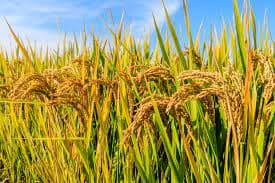
South Korea's National Assembly rejected a revision to the Grain Management Act that would have required the government to purchase surplus rice. The bill faced strong opposition from President Yoon Suk Yeol, who exercised his right to veto the legislation, citing concerns over wasting government resources. The controversial bill aimed to address the country's surplus rice production in the face of decreasing consumption patterns.
South Korea's grain self-sufficiency rate, including feed, stood at 18.5% in 2021, while the country's food self-sufficiency rate was 44.4%. The relatively low self-sufficiency rates make the nation highly dependent on foreign imports, especially among the members of the Organization for Economic Cooperation and Development (OECD).
The revision to the Grain Management Act would have made it mandatory for the government to purchase surplus rice when its production exceeded domestic demand by 3-5% or when rice prices dropped by 5-8% compared to the previous year. Proponents of the revision argued that it was necessary to protect farmers' livelihoods and secure food security.
However, critics argued that the revision would impose a heavy financial burden on the government and lead to rice overproduction, ultimately diminishing agricultural competitiveness. A report by the Rural Development Administration predicted that if the bill were enacted, the government would need to purchase more than twice the amount of rice compared to the current situation, costing an estimated KRW 1.3 trillion annually until 2030.
The surplus rice production is mainly due to a decline in consumption as South Koreans' dietary habits have changed over the past few decades. Rice consumption has rapidly decreased, with the average annual consumption per person dropping to 56.7 kg in 2021, half the amount compared to 1992. The shift towards a more Western and diverse diet and the preference for processed food and convenient meals have contributed to the reduction in rice consumption.
The debate over the Grain Management Act highlights the need to address changing consumption patterns and the importance of ensuring food security while maintaining a balance between farmers' livelihoods and government resources.
Continue this reporting
Reporting on the same issue
Related coverage selected from the article's desk, topics and newsroom relationships.
 NewsSep 30, 2026
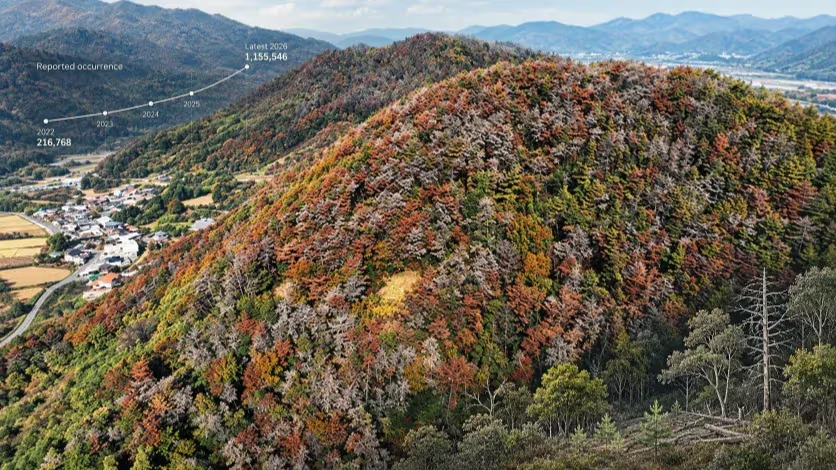
Gyeongnam’s Pine-Wilt Surge Is Forcing a Shift From Tree Removal to Forest Management
Gyeongnam’s pine-wilt outbreak has grown beyond a tree-removal problem. As re...
 NewsSep 22, 2026
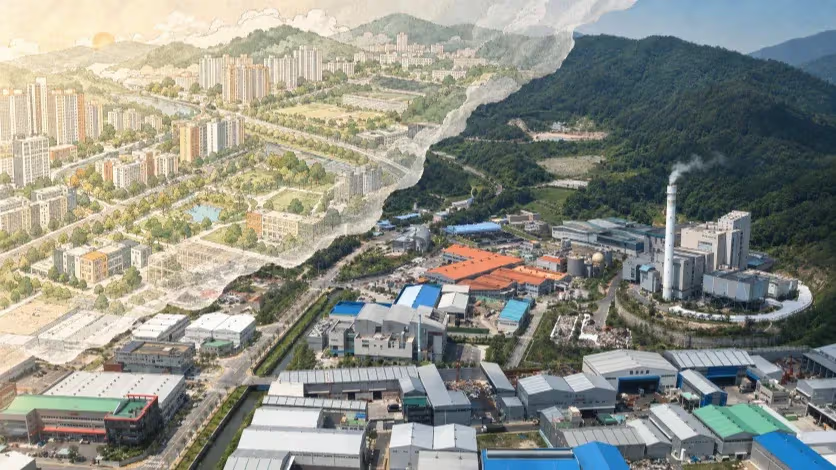
Busan Is Growing Westward as Its Waste Infrastructure Stays Put
Busan’s proposed Saenggok incinerator has moved from 800 to 500 tons a day. T...
 NewsAug 17, 2026
What South Korea’s 87% Drop in Aquaculture Heat Losses Really Measures
South Korea reported an 87 percent drop in aquaculture losses from high water...
More from the author
More from this byline
Stay with the same line of reporting through more work from this byline.
 NewsOct 9, 2026
Why “Busan Is Good” Falls Short as a City Brand
 NewsSep 18, 2026
The Other AI Race Is for the Freedom to Change Course
Reader Signal
Community readWhat did this report leave you with?
Choose the signal that best reflects your reading. Select it again to remove it.
One response per article
No response selected
A moderated conversation about the reporting.
One-level replies and newsroom moderation keep the conversation anchored to this article.
Discussion Status
Open
Please sign in to join the discussion.
Newsletter
Weekly reporting and context from Busan and Korea.