Does South Korea's Energy Policy Have a Future Amid the Global RE100 Movement?
Seoul, South Korea - South Korea's recent announcement of its 15-year power supply plan has sparked significant controversy. The plan, which includes a renewable energy target of 21.6% by 2030, stands in stark contrast to the aggressive renewable energy goals set by other OECD countries. As the world embraces the RE100 initiative, aimed at transitioning to 100% renewable energy by 2050, South Korea's policy appears to be out of step with global trends. The South Korean government has committed


Seoul, South Korea - South Korea's recent announcement of its 15-year power supply plan has sparked significant controversy. The plan, which includes a renewable energy target of 21.6% by 2030, stands in stark contrast to the aggressive renewable energy goals set by other OECD countries. As the world embraces the RE100 initiative, aimed at transitioning to 100% renewable energy by 2050, South Korea's policy appears to be out of step with global trends.
The South Korean government has committed to a 15-year energy plan that maintains a 21.6% target for renewable energy by 2030, the same level set two years ago. This target is the lowest among the 37 OECD countries. The plan also includes the construction of new nuclear power plants, which, while contributing to zero-carbon electricity, does not align with the RE100 initiative that focuses solely on renewable energy sources like wind and solar.
The RE100 initiative, led by The Climate Group and CDP, is a global campaign where companies commit to using 100% renewable electricity by 2050. Major corporations such as Apple, Microsoft, and Samsung are part of this movement, influencing their supply chains to adopt renewable energy practices. This shift is not only environmentally responsible but also economically strategic, as it enhances market competitiveness and meets increasing consumer and investor demands for sustainability.
Critics argue that South Korea's conservative renewable energy target undermines its global competitiveness. Helen Clarkson, CEO of The Climate Group, expressed disappointment with South Korea's plan, warning that the country risks falling behind in the global market. Other major economies have set much higher targets for 2030: the UK aims for 85%, Germany for 75%, the USA for 59%, and Japan for 38%. South Korea's reliance on nuclear energy, while beneficial in reducing carbon emissions, fails to address the immediate need for scaling up renewable energy infrastructure.
Transitioning to renewable energy has significant environmental and economic benefits. Countries that invest heavily in renewable energy not only reduce their carbon footprint but also stimulate economic growth through job creation and technological innovation. For instance, Germany's Energiewende policy has led to a substantial increase in renewable energy capacity and has positioned the country as a leader in green technology.
In contrast, South Korea's current energy policy could hinder its economic growth and global standing. The RE100 initiative highlights the importance of renewable energy in maintaining a competitive edge, as companies increasingly prioritize sustainability in their business operations.
If South Korea continues with its current energy policy, it risks being left behind in the rapidly evolving global energy landscape. To align with global standards and ensure a sustainable future, South Korea should consider the following recommendations:
- Increase Renewable Energy Targets: Raising the renewable energy target for 2030 to match or exceed those of other leading economies.
- Invest in Renewable Energy Infrastructure: Expanding investments in wind, solar, and other renewable energy technologies to build a robust and diverse energy portfolio.
- Foster Collaboration with Global RE100 Participants: Engaging in partnerships and collaborations with companies and countries committed to RE100 to share best practices and technologies.
South Korea's current energy policy, with its low renewable energy targets, is at odds with the global movement towards 100% renewable energy. To remain competitive and environmentally responsible, South Korea must reevaluate and adjust its energy strategy. Aligning with the RE100 initiative and increasing investments in renewable energy will not only benefit the environment but also secure South Korea's economic future in the global market. Policymakers must recognize the long-term benefits of a renewable energy transition and take decisive action to ensure the country's sustainability and competitiveness.
Continue this reporting
Reporting on the same issue
Related coverage selected from the article's desk, topics and newsroom relationships.
 NewsSep 30, 2026
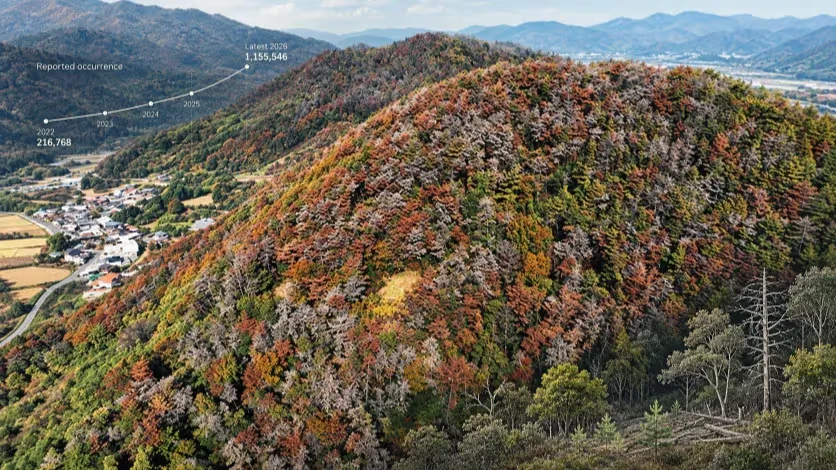
Gyeongnam’s Pine-Wilt Surge Is Forcing a Shift From Tree Removal to Forest Management
Gyeongnam’s pine-wilt outbreak has grown beyond a tree-removal problem. As re...
 NewsSep 22, 2026
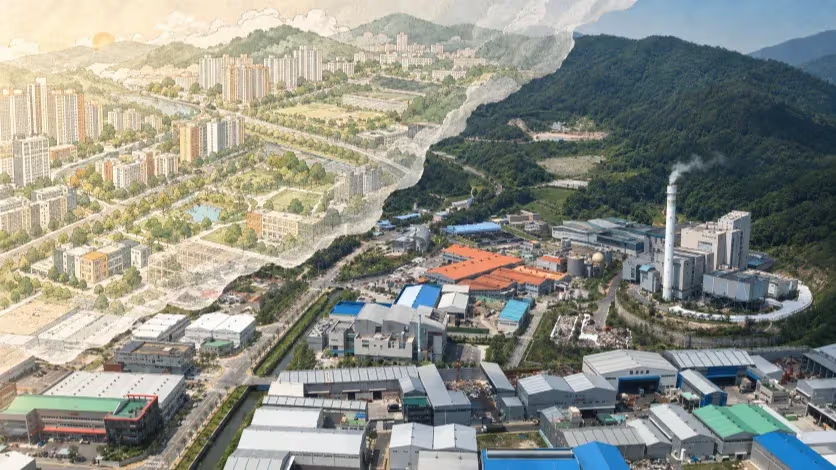
Busan Is Growing Westward as Its Waste Infrastructure Stays Put
Busan’s proposed Saenggok incinerator has moved from 800 to 500 tons a day. T...
 NewsAug 17, 2026
What South Korea’s 87% Drop in Aquaculture Heat Losses Really Measures
South Korea reported an 87 percent drop in aquaculture losses from high water...
More from the author
More from this byline
Stay with the same line of reporting through more work from this byline.
 NewsSep 18, 2026
The Other AI Race Is for the Freedom to Change Course
 NewsSep 5, 2026
How a Political Appointment Becomes a Judgment of Character
Reader Signal
Community readWhat did this report leave you with?
Choose the signal that best reflects your reading. Select it again to remove it.
One response per article
No response selected
A moderated conversation about the reporting.
One-level replies and newsroom moderation keep the conversation anchored to this article.
Discussion Status
Open
Please sign in to join the discussion.
Newsletter
Weekly reporting and context from Busan and Korea.