South Korea's Rapid Rise as a Global Arms Exporter in the Midst of Ukraine Conflict
The ongoing conflict in Ukraine has stimulated South Korea's arms export industry, as countries backing Kyiv seek to replenish their armaments from Seoul. Despite calls from NATO Secretary-General Jens Stoltenberg to reconsider, South Korean President Yoon Suk Yeol has declined to provide lethal aid directly to Kyiv, citing a law that prohibits the country from doing so during a conflict. South Korea's position as a global arms supplier has been elevated by its rapid growth as the world's faste
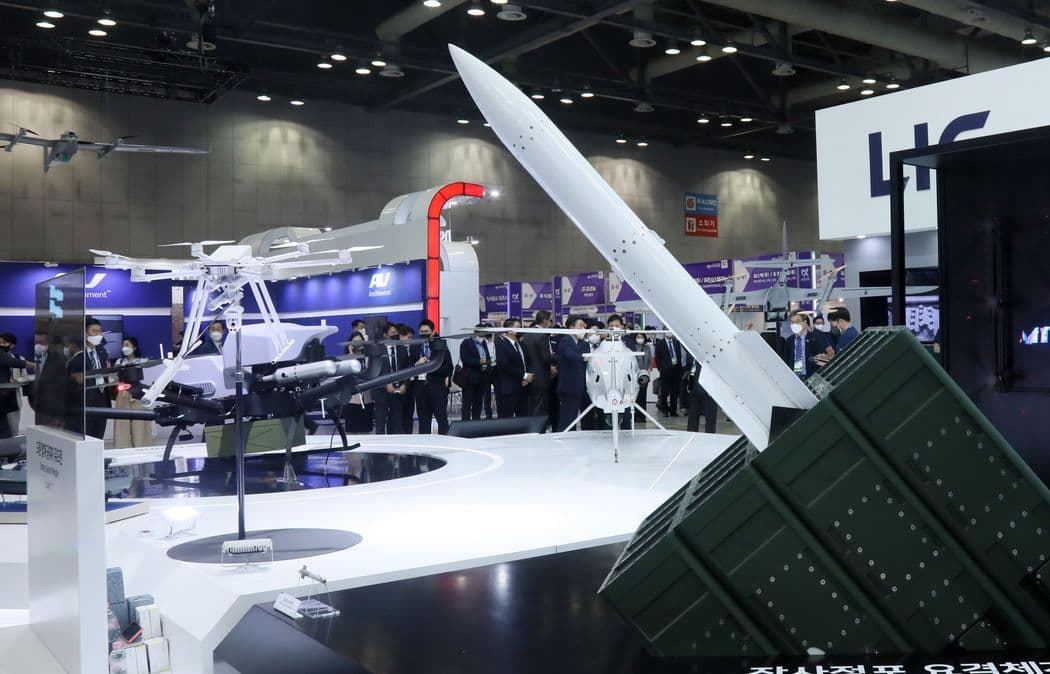
The ongoing conflict in Ukraine has stimulated South Korea's arms export industry, as countries backing Kyiv seek to replenish their armaments from Seoul. Despite calls from NATO Secretary-General Jens Stoltenberg to reconsider, South Korean President Yoon Suk Yeol has declined to provide lethal aid directly to Kyiv, citing a law that prohibits the country from doing so during a conflict.
South Korea's position as a global arms supplier has been elevated by its rapid growth as the world's fastest-growing arms exporter over the past five years, according to the Stockholm International Peace Research Institute. Despite being the eighth-largest exporter, with 2.8% of global exports, its share of the global arms market is still small compared to countries like the U.S. and Russia.
European countries are increasingly looking to South Korea as their preferred weapons supplier, as the country can deliver arms faster than its allies. Its defense industry has been expanding its production capabilities in response to the threat from North Korea and has established overseas manufacturing facilities with quick turnaround times.
This has resulted in the U.S. striking a confidential deal with South Korea to purchase artillery shells destined for Ukraine, with the U.S. agreeing to deliver the weapons on behalf of Seoul.
In conclusion, the escalating conflict in Ukraine has led to increased pressure on South Korea to supply weapons directly to Kyiv, however, the country has declined to do so due to domestic laws. Nevertheless, South Korea's rapid growth as a global arms exporter and its ability to deliver weapons faster than its allies has resulted in it becoming a sought-after supplier for many European countries.
Continue this reporting
Reporting on the same issue
Related coverage selected from the article's desk, topics and newsroom relationships.
 NewsOct 4, 2026
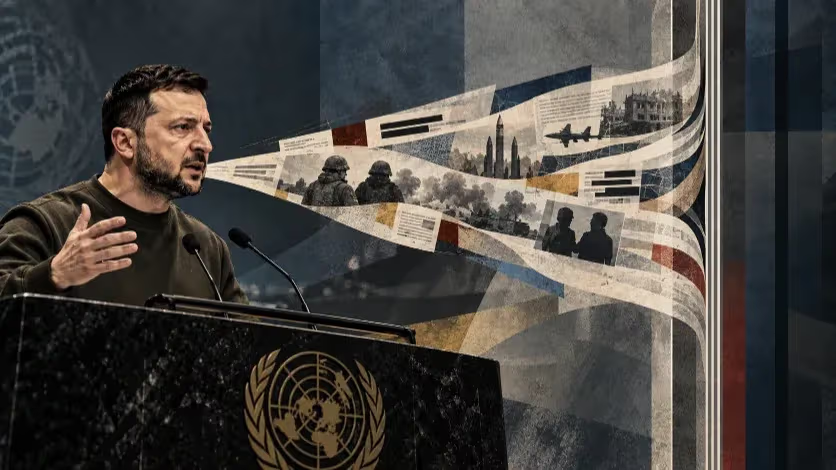
Zelensky, South Korea and the Limits of Wartime Pressure
South Korea says Kyiv broke a confidentiality understanding when Zelensky rev...
 NewsSep 1, 2026
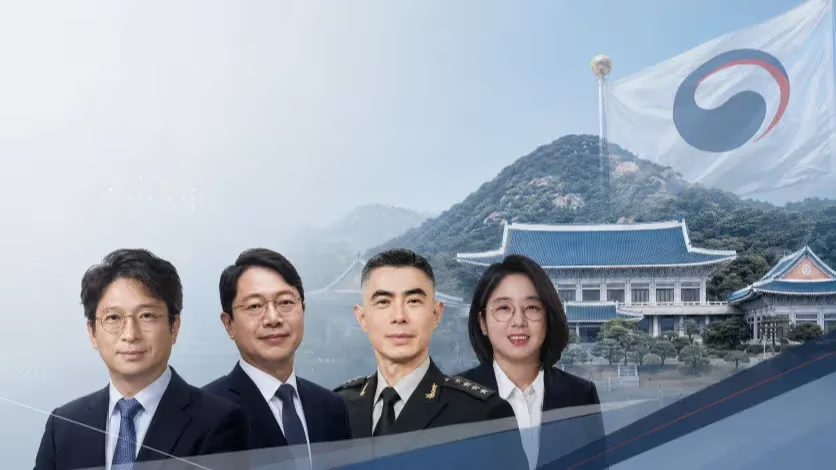
What Lee Jae Myung Thinks a Minister Can Fix
President Lee Jae Myung says reform should be judged by results rather than c...
 NewsAug 21, 2026
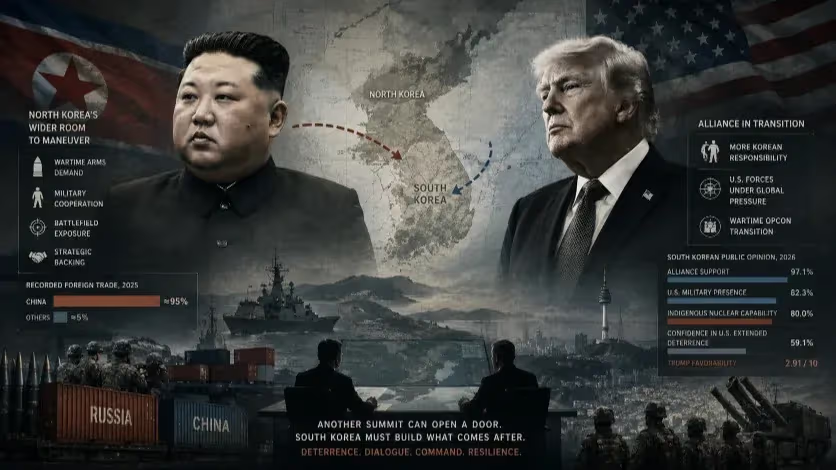
The Korean Peninsula Trump Is Returning To
Another Trump-Kim summit would unfold on a peninsula where North Korea is har...
More from the author
More from this byline
Stay with the same line of reporting through more work from this byline.
 NewsOct 9, 2026
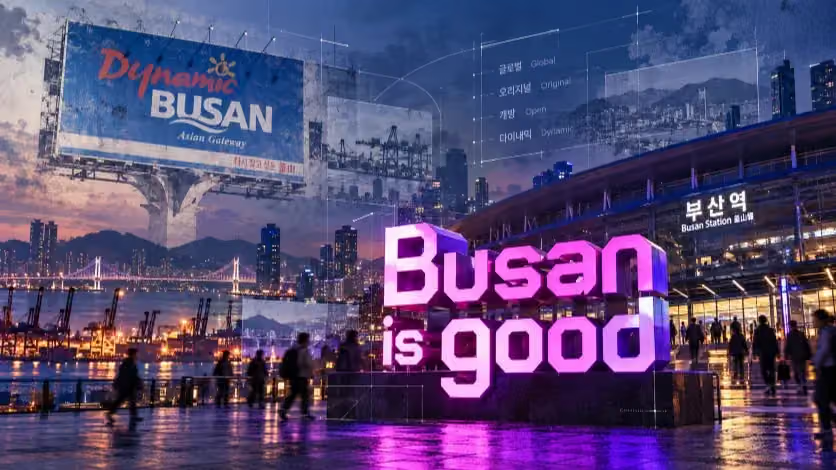
Why “Busan Is Good” Falls Short as a City Brand
 NewsSep 18, 2026
The Other AI Race Is for the Freedom to Change Course
Reader Signal
Community readWhat did this report leave you with?
Choose the signal that best reflects your reading. Select it again to remove it.
One response per article
No response selected
A moderated conversation about the reporting.
One-level replies and newsroom moderation keep the conversation anchored to this article.
Discussion Status
Open
Please sign in to join the discussion.
Newsletter
Weekly reporting and context from Busan and Korea.