Sweden's Path to NATO Membership Hindered by Turkey and Hungary as Finland Celebrates Accession
Finland's official entry into NATO marked a historic moment for the Nordic nation, but Sweden's path to membership remains blocked by Turkey and Hungary. Both countries have delayed ratifying Sweden's application, which requires unanimous approval from all NATO members. The majority of NATO members support Sweden and Finland's membership, recognizing the strategic advantage of strengthening the alliance in the Baltic region. However, Turkey and Hungary continue to raise objections, putting Swede

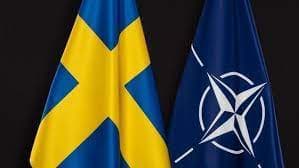
Finland's official entry into NATO marked a historic moment for the Nordic nation, but Sweden's path to membership remains blocked by Turkey and Hungary. Both countries have delayed ratifying Sweden's application, which requires unanimous approval from all NATO members. The majority of NATO members support Sweden and Finland's membership, recognizing the strategic advantage of strengthening the alliance in the Baltic region. However, Turkey and Hungary continue to raise objections, putting Sweden's accession on hold.
Turkey's objections to Sweden's NATO membership stem from Swedish criticism of Turkey's human rights abuses and democratic standards. Ankara accuses Stockholm of harboring members of groups Turkey considers terrorist organizations and demands their extradition as a precondition for ratification. Sweden denies these accusations and states that its courts have blocked some expulsions. Furthermore, Turkey has taken issue with protests in Stockholm during which the Koran was burned, and an effigy of President Erdogan was hanged upside down. While Turkey labels these actions as hate crimes, Sweden cites freedom of speech laws as a legitimate defense.
Hungary's reluctance to ratify Sweden's membership is fueled by Swedish criticism of Prime Minister Viktor Orban's perceived erosion of the rule of law. Although Hungary does not have a list of demands like Turkey, it insists that grievances must be addressed before proceeding with ratification.
Analysts predict that Turkey might not change its stance until after its May 14 elections, with an opposition victory potentially boosting Sweden's chances for a quicker accession. However, there is no definitive timetable for approval. Turkey has had previous conflicts with NATO allies, which were resolved through negotiations, pressure from allies, and some concessions. Paul Levin, director at the Institute for Turkish Studies at Stockholm University, suggests that a similar outcome might be possible in this case.
In the meantime, Sweden's security position is believed to be stronger than before its NATO application. The country has received assurances of support from nations like the United States, Britain, and Germany. NATO Secretary-General Jens Stoltenberg has also stated that it would be inconceivable for the alliance not to support Sweden if threatened. Moreover, Sweden already cooperates closely with NATO, and its integration measures are moving forward. Sweden's strong air force and submarine fleet, tailored to Baltic Sea conditions, would provide a significant boost to NATO's presence in the region.
Despite the delays in ratification, Sweden remains committed to joining the alliance, asserting that NATO membership, with its collective defense clause, is the best way to ensure its security. As Finland's accession to NATO strengthens the alliance's eastern flank, Sweden's eventual membership will further bolster NATO's presence in the Baltic and provide an essential counterweight to Russia's actions in the region.
Editorial Context
"Independent journalism relies on radical transparency. View our full log of editorial notes, corrections, and project dispatches in the Newsroom Transparency Log."
Reader Pulse
The report's impact signal
Be the first to provide a reading pulse. These collective signals help our newsroom understand the impact of our reporting.
Join the discussion
A more thoughtful conversation, anchored to the story
Atlantic-style discussion for this article. One-level replies, editor prompts, and moderation-first participation are now powered directly by Prisma.
Discussion Status
Open
Please sign in to join the discussion.
The Weekly Breeze
Independent reporting and analysis on Busan,
Korea, and the broader regional economy.