How Shared Meals Could Impact Couples' Brains and Lives
As couples spend time together, they inevitably begin to influence each other’s habits, tastes, and even emotional patterns. But could sharing meals over time also lead to a deeper, more subtle form of influence—on their brain function, mood, and overall health? According to recent research in neuroscience, nutrition, and the gut-brain axis, the answer may be yes. The concept that food influences the brain is not new, but research into the gut-brain axis—the communication system between the gut

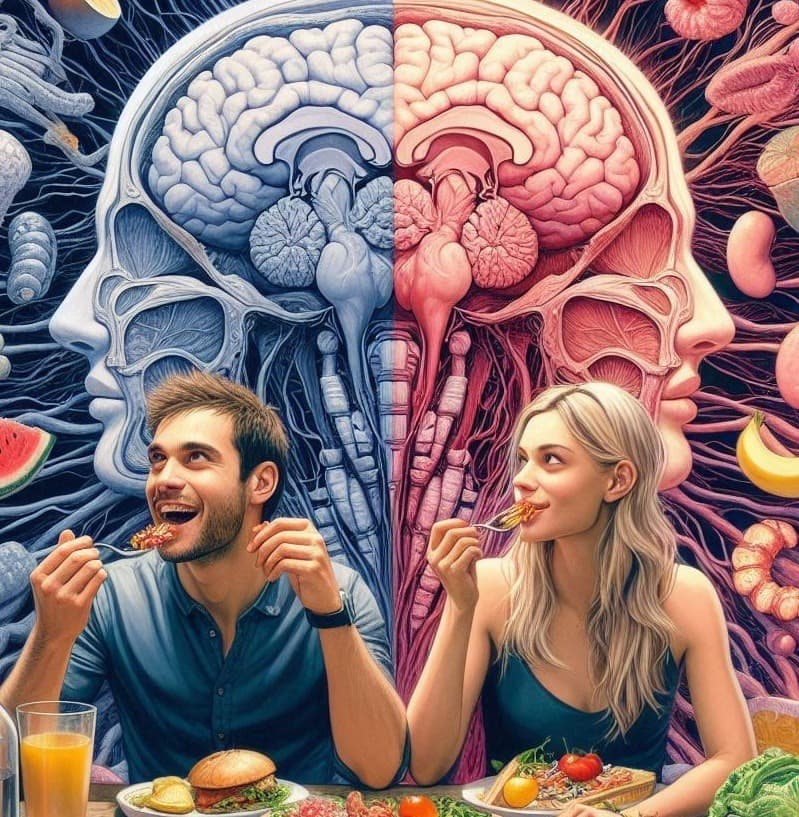
As couples spend time together, they inevitably begin to influence each other’s habits, tastes, and even emotional patterns. But could sharing meals over time also lead to a deeper, more subtle form of influence—on their brain function, mood, and overall health? According to recent research in neuroscience, nutrition, and the gut-brain axis, the answer may be yes.
The concept that food influences the brain is not new, but research into the gut-brain axis—the communication system between the gut microbiome and the brain—has revealed just how profound this connection is. The gut is home to trillions of bacteria, many of which play a key role in producing neurotransmitters like serotonin and dopamine, which regulate mood, cognition, and even behavior. Around 90% of serotonin, often referred to as the “feel-good hormone,” is actually produced in the gut, emphasizing the power of what we eat on how we feel and think.
When couples live together, they often share similar meals. This raises an intriguing question: Could a couple’s gut microbiomes—and by extension, their brain functions—begin to align over time?
Studies show that diet is one of the most significant factors shaping the composition of gut bacteria. If two people frequently eat the same foods, they may develop similar gut microbiota, particularly if they consume prebiotic-rich foods, fermented items, or fiber-dense meals. A 2019 study on cohabiting couples found that partners living together had more similar microbiomes compared to people who lived separately, likely due to shared dietary patterns and environmental factors.
This synchronization of gut bacteria can extend beyond just digestive health. Since the gut microbiome is linked to the brain via the gut-brain axis, sharing similar gut bacteria could influence mood, emotional regulation, and cognitive function. In essence, couples who eat together may experience more aligned emotional states or similar cognitive responses over time.
Diet is known to have a profound effect on mental health. Certain nutrients, such as omega-3 fatty acids found in fish, antioxidants in berries and leafy greens, and B vitamins in whole grains, play essential roles in supporting cognitive function and stabilizing mood. In contrast, processed foods high in sugar and refined carbohydrates can lead to mood swings, fatigue, and even cognitive decline.
In relationships, one partner’s eating habits often influence the other. If one person is health-conscious, it could lead to better dietary habits for both, which could improve mood stability and cognitive performance. Conversely, poor eating habits shared by both partners could contribute to increased risks of depression, anxiety, and cognitive impairment.
Emotional Synchronization Through Food?
It’s also possible that couples may influence each other’s emotional states through the gut-brain connection. As gut bacteria produce neurotransmitters that influence the brain, shared gut microbiomes could lead to similar emotional regulation and stress responses. This could partly explain the phenomenon where couples seem to develop similar emotional traits or coping mechanisms over time.
However, it’s important to note that genetics, lifestyle choices, and individual experiences also play key roles in shaping how each person’s brain functions, meaning that while gut microbiome synchronization could contribute to shared emotional or cognitive patterns, it’s just one piece of the puzzle.
The influence of shared meals extends beyond the microbiome. Social bonding over meals can also strengthen emotional connections and foster trust between partners. Studies suggest that communal eating—whether with family, friends, or a romantic partner—promotes cooperation and social cohesion, building stronger emotional ties. In the case of couples, regularly sharing meals can become a form of emotional and psychological bonding.
In conclusion, the idea that couples who live and eat together may become more alike in terms of their brain function, mood, and overall health has scientific grounding. As the gut-brain axis reveals more about the power of the microbiome on mental well-being, it’s possible that shared diets can lead to a subtle form of biological and emotional synchronization. While food is only one aspect of a relationship, its profound effect on the brain and body suggests that couples may indeed shape each other’s lives in ways deeper than previously understood. As the saying goes: “You are what you eat”—and perhaps in a relationship, you become what you share.
Editorial Context
"Independent journalism relies on radical transparency. View our full log of editorial notes, corrections, and project dispatches in the Newsroom Transparency Log."
Reader Signal
Community readWhat did this report leave you with?
Choose the signal that best reflects your reading. Select it again to remove it.
Anonymous One response per article
No response selected
Join the discussion
A more thoughtful conversation, anchored to the story
Atlantic-style discussion for this article. One-level replies, editor prompts, and moderation-first participation are now powered directly by Prisma.
Discussion Status
Open
Please sign in to join the discussion.
The Weekly Breeze
Independent reporting and analysis on Busan,
Korea, and the broader regional economy.