Expanding the Successful "1,000 Won Breakfast" Program to Benefit the Wider Public
South Korea's "1,000 Won Breakfast" program, initially aimed at college students to combat breakfast malnutrition by providing affordable, quality meals, has proven to be a resounding success. The Ministry of Agriculture, Food and Rural Affairs recently announced plans to double the program's size, extending its reach to 1.5 million people. With such positive results, it's time to consider expanding this initiative to benefit other vulnerable groups, such as the elderly and single young workers.

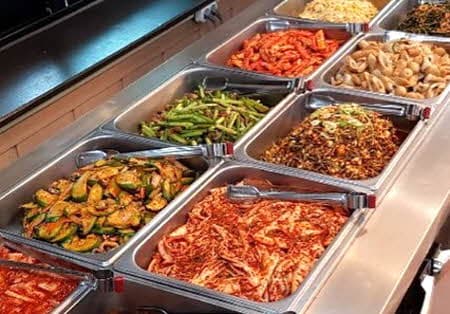
South Korea's "1,000 Won Breakfast" program, initially aimed at college students to combat breakfast malnutrition by providing affordable, quality meals, has proven to be a resounding success. The Ministry of Agriculture, Food and Rural Affairs recently announced plans to double the program's size, extending its reach to 1.5 million people. With such positive results, it's time to consider expanding this initiative to benefit other vulnerable groups, such as the elderly and single young workers.
The elderly and single young workers often face challenges in maintaining proper nutrition due to limited income, lack of time, and inadequate access to healthy food options. Expanding the "1,000 Won Breakfast" program to these demographics could help address their nutritional needs, promote healthy eating habits, and support local agriculture.
To achieve this expansion, collaboration with relevant ministries and organizations is crucial. Working with the Ministry of Health and Welfare, the Ministry of Employment and Labor, and non-governmental organizations focused on the well-being of the elderly and young workers can help design and implement similar low-cost meal programs for these target groups.
Establishing partnerships with local businesses and community centers is another essential step. By working with local restaurants, cafes, and community centers to offer low-cost meal options specifically designed for the elderly and single young workers, nutritious meals can become more accessible and affordable for these populations. These partnerships can also foster a sense of community and encourage social interactions among participants, further enhancing their well-being.
Creating targeted outreach programs is vital to ensure that the expanded initiative reaches the intended audience. By developing awareness campaigns and outreach initiatives, the government and its partners can effectively educate the elderly and single young workers about the benefits of the low-cost meal program and how to access it. Utilizing traditional and digital media platforms can help spread the message and engage these groups more efficiently.
Securing funding and resources is a necessary component of expanding the "1,000 Won Breakfast" program to the public. Obtaining financial support from government bodies, private sector companies, and philanthropic organizations can help cover the costs associated with providing meals to the elderly and single young workers. Additionally, these funds can assist in scaling up the program infrastructure and ensuring long-term sustainability.
In conclusion, the successful "1,000 Won Breakfast" program has already demonstrated its potential to make a significant impact on college students' lives. Expanding this initiative to other vulnerable groups, such as the elderly and single young workers, can provide numerous benefits, including improved nutrition, the promotion of healthy eating habits, and support for local agriculture. By collaborating with relevant stakeholders, establishing partnerships, creating targeted outreach programs, and securing funding, South Korea can build on this success and create a healthier, more inclusive society for all.
Editorial Context
"Independent journalism relies on radical transparency. View our full log of editorial notes, corrections, and project dispatches in the Newsroom Transparency Log."
Reader Pulse
The report's impact signal
Be the first to provide a reading pulse. These collective signals help our newsroom understand the impact of our reporting.
Join the discussion
A more thoughtful conversation, anchored to the story
Atlantic-style discussion for this article. One-level replies, editor prompts, and moderation-first participation are now powered directly by Prisma.
Discussion Status
Open
Please sign in to join the discussion.
The Weekly Breeze
Independent reporting and analysis on Busan,
Korea, and the broader regional economy.