Why Alcohol Is Losing Ground Among Young Adults in South Korea
South Korea’s younger adults are not simply turning away from alcohol. They are judging it more harshly against sleep, work, money and the next day, weakening one of the country’s old social routines in the process.

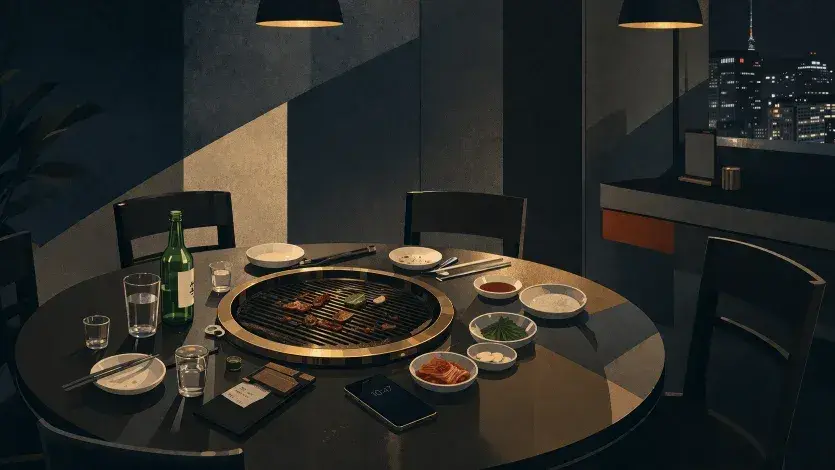
Across South Korea, younger adults are giving alcohol a smaller role in work, friendship and leisure. The change is uneven across regions and groups, but it reflects a broader post-pandemic shift in how time, sleep, obligation and social life are valued.
Across South Korea, alcohol is beginning to occupy a smaller and less automatic place in young adult life. The change is uneven, and it does not amount to a simple national retreat from drinking. But one old assumption is weakening in workplaces, universities and leisure culture alike: that social life naturally extends into alcohol, and that long evenings of group drinking remain a routine part of adulthood. Recent reporting and public-health research point in the same direction. Younger adults appear less willing to give drinking that kind of claim on their time, even if alcohol-related risk has by no means disappeared.
The shift is easiest to see in and around Seoul, where work culture, nightlife and youth consumption often move first. There, the old sequence of dinner, drinks and another round has become less reliable, and the city’s nightlife offers a visible record of weaker after-work drinking habits. But Seoul is not the whole story. The more useful reading is national, not metropolitan: South Korea’s drinking culture is changing unevenly, with some of the sharpest signs appearing in the capital region and more complicated patterns persisting elsewhere. That unevenness matters. It keeps the story from turning into an easy lifestyle narrative.
That makes South Korea a revealing case. Drinking here was never just about alcohol. It was tied to hierarchy, work, group meals, release after hours and the management of closeness itself. In a society where alcohol did so much social work, even a partial weakening carries larger meaning. The point is not that young Koreans have turned sober. It is that alcohol is losing some of the old authority it once exercised over the evening.
How alcohol became part of Korean social life
To understand the current change, it helps to remember what alcohol used to do. In modern South Korea, drinking was not simply a matter of preference. It helped organize belonging. In offices, universities and social gatherings, alcohol often marked the passage from formal obligation to informal solidarity. A group dinner did not necessarily end with the meal. One round led to another because everyone at the table understood the script. What looked like leisure often carried the weight of participation. A person who stayed signaled warmth, patience and flexibility. A person who left too early risked appearing distant, overly individual or insufficiently committed to the group.
That routine mattered because it made drinking feel less like a choice than like the natural shape of social time. It was reinforced by habit, by urban density and by the long-standing overlap between work and after-hours life. The city helped sustain the pattern. Restaurant districts, bars, karaoke rooms and late-night food were not separate from office culture; they were part of its extension. The evening moved as a sequence, and alcohol sat near the center of it.
This is why the old drinking culture cannot be reduced to clichés about national taste. The stronger point is structural. Alcohol sat at the intersection of workplace hierarchy, group ritual and urban routine. It offered release, but it also preserved order. It softened formality on the surface while often keeping expectations intact underneath. That was one reason the culture proved so durable. Alcohol was carrying more than one burden at once.
COVID broke the routine — and the routine did not fully come back
The pandemic did not abolish South Korea’s drinking culture. It broke its rhythm. Before COVID-19, the old pattern depended on repetition. Offices emptied, groups moved, one round became a second, and the evening continued because the city and the habit carried it forward. Social distancing interrupted that sequence at scale. Restaurants closed earlier. Gatherings were constrained. The movement from workplace to drinking venue was no longer something urban life could simply assume. Reuters’ reporting from Seoul’s old nightlife districts showed not only weaker demand, but a broken chain: fewer packed bars, fewer late-night spillovers, fewer second and third rounds anchoring the old pattern.
What mattered next was not just the interruption, but what younger adults learned during it. A 2023 Korean study on Gen Z college students found that many adapted quickly to more digital, home-centered routines and did not experience those changes only as loss. Students described less commuting, tighter control over scheduling, easier online contact and daily life arranged with fewer imposed movements. The significance of that finding goes beyond campus life. Once social connection, study and leisure can be sustained through more managed routines, alcohol loses some of the infrastructure that once made it feel necessary.
That is why reopening did not mean restoration. Bars reopened faster than the assumptions behind them. A younger worker who had learned to protect sleep, schedule or private time had less reason to surrender an entire evening to obligation. A student who had grown used to more selective forms of socializing had less reason to treat drinking as the default path to closeness. The old order depended on low resistance. Pandemic life raised resistance. It taught people that evenings could be organized differently, and that lesson did not disappear when restrictions ended.
Younger adults are judging alcohol more harshly
It is tempting to describe this shift as a simple rise in health consciousness. That is true as far as it goes, but it does not go far enough. The stronger point is that many younger adults now judge alcohol against a stricter set of costs than earlier cohorts did. They are not only asking whether drinking is enjoyable or socially useful. They are asking what it does to the next morning: sleep, energy, concentration, exercise, mood and the ability to keep the day under control. The Korean Gen Z study points in exactly that direction, showing that many students described health in practical terms tied to daily management, rhythm and the ability to function well in ordinary life.
That changes the value of a night out. In an older urban routine, a long evening could still look worthwhile if it strengthened office bonds, extended friendship or offered release after work. For many younger adults, that bargain has weakened. A bad night is no longer measured only by money spent or whether the evening was lively. It is measured by broken sleep, a missed workout, wasted hours the next day and the feeling that too much of one’s schedule has been handed over to other people. Once daily life becomes more tightly managed, the cost of a disrupted morning becomes easier to see and harder to excuse.
The sharper word here is not wellness but control. Earlier drinking culture often asked people to surrender a measure of control for the sake of group feeling. That trade now looks less attractive to many younger adults. Sleep feels harder to waste. Time feels more visibly scarce. A carefully kept routine can feel more valuable than a long night that leaves little behind except fatigue. In that sense, younger adults are not simply becoming more virtuous. They are pricing alcohol more harshly.
Why the shift shows up first in Seoul — but is not limited to Seoul
The change appears first and most clearly in Seoul because the capital gave the old drinking order its most elaborate stage, then developed more alternatives to it than much of the rest of the country. It concentrated office districts, after-work rituals, late-night commercial neighborhoods and the physical density that allowed one round to lead easily to another. When that system weakens in Seoul, the change is easier to see because the old pattern had been so visible there to begin with. Reuters’ reporting from Nokdu Street captured that contrast well: half-empty bars where drinkers once spilled into the street late into the evening.
But Seoul moved first for another reason as well. It offers more ways to fill an evening without alcohol. Short dinners, late-opening cafes, exercise groups, convenience-heavy solo routines, dense transit and a more digital social life all reduce the pressure to turn every meeting into a drinking occasion. That makes the capital analytically useful, but not nationally definitive.
The national picture is more uneven. A 2024 nationwide study on alcohol use and alcoholic liver disease in South Korea found that high-risk drinking remained around 16.4% from 2011 to 2017, decreasing among men aged 20 to 39 but steadily increasing among women aged 20 to 59. That alone should caution against any sweeping story about a whole generation moving in one direction. Even where public drinking rituals weaken, risk can remain or become more concentrated in particular groups.
This is not the end of drinking. It is a more uneven drinking culture
At this point, the easy mistake is to turn a visible change in urban habit into a total theory of youth behavior. The evidence does not support that. South Korea is showing a real weakening of the old drinking order, especially among younger adults in metropolitan life, but that is not the same thing as the disappearance of alcohol-related risk. The cleaner way to describe the shift is not decline alone, but uneven change. Some younger adults are drinking less often, ending the night earlier or refusing old obligations more readily. Others are drinking differently, in smaller circles or in ways less visible than the old office-centered rounds.
The broader international pattern makes the same point. WHO’s global alcohol action plan says alcohol consumption among young people has decreased in many European countries and in some other high-income societies, and that the decline appears to continue into the next age group as cohorts age. But WHO also makes clear that this is not socially uniform and does not erase harm among disadvantaged groups. A society can produce lighter-drinking cohorts on average while still concentrating risk in narrower groups.
South Korea fits that more complicated pattern. The weakening of public, group-based drinking among some younger adults does not mean one clean national turn toward moderation. It means the old shared pattern is breaking up. Some people are moving toward shorter nights and selective social drinking. Some are turning to alcohol-free substitutes or simply leaving earlier. Some harmful drinking remains, but outside the old public script. That is a deeper change than a simple fall in sales. It means alcohol is no longer held in place by one strong consensus about what an evening should look like.
What South Korea reveals beyond Korea
South Korea matters here not because it offers a universal model, but because it makes the underlying change unusually easy to see. For decades, drinking in Korea sat close to the center of urban adulthood. It belonged to work, friendship, dating, group meals and the management of hierarchy. If alcohol is losing ground in that setting, the development is unlikely to be explained by local fashion alone. The Korean case is best read as one sharp version of a broader shift visible across parts of the developed world: younger adults are no longer giving alcohol the same automatic place in social life that earlier cohorts did.
That comparison needs care. Korea should not be used to prove a single global script. Drinking cultures differ too much for that. But the pressures are recognizable across many high-income societies: digital social life, post-pandemic routines, stronger concern for sleep and next-day function, and less patience for rituals that consume time without clear return. South Korea shows those pressures clearly because the older drinking order was so deeply built into everyday life. The change is not the disappearance of alcohol. It is the weakening of its old certainty.
From obligation to option
The clearest way to describe the change is not that young Koreans have stopped drinking. They have stopped granting alcohol special status. For years, drinking in South Korea carried more than one meaning at once. It could signal warmth, endurance, loyalty, adulthood, release or simple willingness to go along. That was why the old culture proved so durable. Alcohol was not just present in social life. It was built into the terms on which social life often proceeded.
That is no longer true in the same way, at least not for many younger adults. The old claim that a night should be given over to the group has weakened. The assumption that closeness must be proved by staying late has weakened with it. So has the idea that work must spill naturally into drinking, or that sociability requires a long surrender of time, money and next-day energy. These shifts do not amount to a revolt. They are quieter than that. They show up in the first round that no longer becomes a second, in the weekday gathering that ends after dinner, in the decision to leave before the night takes full control of the schedule.
That is why this should not be written as either a triumph of wellness or a lament for lost nightlife. Both readings are too simple. The stronger conclusion is that South Korea is living through a change in the place alcohol occupies within adulthood. The bottle has not disappeared from the table. What has faded is its old authority over the evening. For many younger adults, drinking is no longer the unquestioned medium through which work, friendship and release are expected to pass. It has become one option among others, and not always the most useful one.
The old Korean drinking order has not vanished. It still survives in offices, neighborhoods, friendships and habits that do not disappear on schedule. But it no longer feels automatic. That loss of automatic force is the real story. A culture begins to change not when everyone abandons the old ritual at once, but when fewer people believe the ritual can demand their time without explanation
Continue this reporting
Reporting on the same issue
Related coverage selected from the article's desk, topics and newsroom relationships.
 NewsJan 11, 2026
The Return of Poetry in the Age of AI
Generative AI has standardized language and accelerated communication. Poetry...
 NewsSep 29, 2025
Reading Korean: Why Hangul Fluency Hides a Growing Literacy Crisis
Korean students read Hangul with ease yet struggle with meaning. COVID widene...
 NewsMay 14, 2025
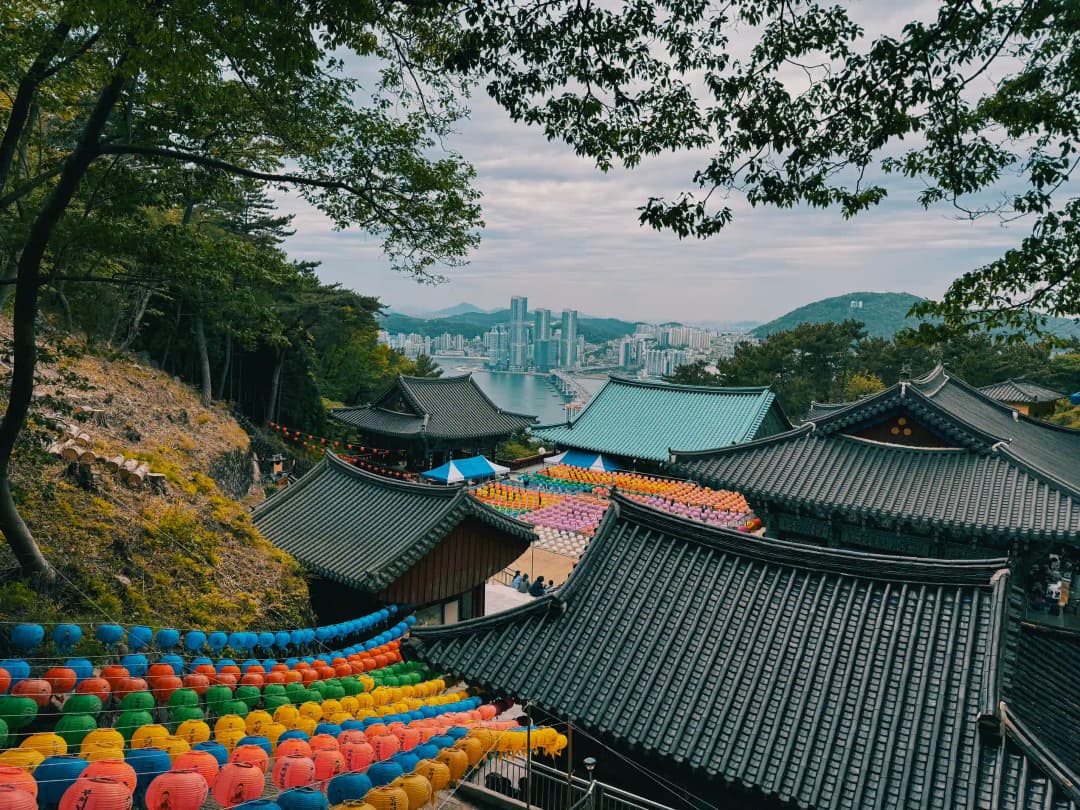
Busan’s Geography Built Its Past — and May Shape Its Climate Future
Busan’s rugged landscape has shaped its dense, adaptive urban form — now offe...
More from the author
More from this byline
Stay with the same line of reporting through more work from this byline.
 NewsOct 14, 2026
What Became of Busan’s University Streets?
 NewsSep 28, 2026
Why Some Commercial Space in Busan Is Hard to Reuse
Reader Signal
Community readWhat did this report leave you with?
Choose the signal that best reflects your reading. Select it again to remove it.
One response per article
No response selected
A moderated conversation about the reporting.
One-level replies and newsroom moderation keep the conversation anchored to this article.
Discussion Status
Open
Please sign in to join the discussion.
Newsletter
Weekly reporting and context from Busan and Korea.