Busan's Flavorful Pork Soup Dwaeji Gukbap: A Staple of Korean Cuisine
Dwaeji gukbap, or Korean pork soup with rice, is a dish that has become synonymous with the city of Busan. While variations of this long-simmered soup and rice meal can be found in surrounding regions, it truly is a Busan local food. The soup has a rich history dating back to the Korean War, when food was scarce, and families sought to provide sustenance by boiling pork bones for a very long time. What started as a necessity became one of Korea's most comforting of comfort foods. A Nutritious


Dwaeji gukbap, or Korean pork soup with rice, is a dish that has become synonymous with the city of Busan. While variations of this long-simmered soup and rice meal can be found in surrounding regions, it truly is a Busan local food. The soup has a rich history dating back to the Korean War, when food was scarce, and families sought to provide sustenance by boiling pork bones for a very long time. What started as a necessity became one of Korea's most comforting of comfort foods.
A Nutritious and Delicious Meal
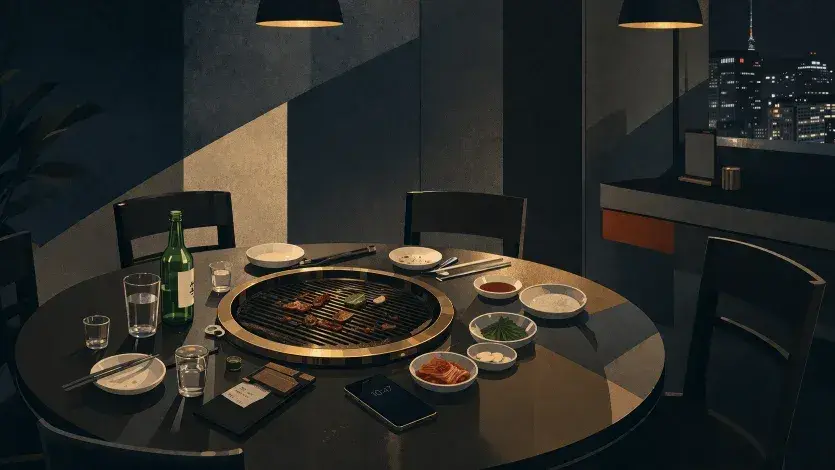
Not only is Dwaeji gukbap a delicious meal, but it also offers several nutritional benefits. It is made with pork, soy sauce, miso, rice wine, sesame oil, and bone broth, making it a hearty and nutritious meal. The soup comes boiling in a hot stone bowl with the pork in a white milky broth and noodles, and rice. Usually, the noodles are on the table for you to add them. On the table as well when it is served is a dish of little fermented shrimp, leeks chopped up, red pepper paste, and salt and pepper that you add to taste. There are also white onions, garlic, and usually other kinds of kimchi there as well to give you a break from the boiling goodness in the bowl.
Popular and Widely Available
Dwaeji gukbap has become so popular that there are over 692 restaurants serving pork soup in Busan. According to Korean cookbooks, rice rolled in soup, known as " Tangban,” was considered the soul food of the Korean people. It's also featured in Kim Hong-do's folk paintings. However, pork soup was not commonly found in literature as beef was the meat of choice in Korea until the 1970s.
During the 1970s, the export of pork to Japan led to the establishment of feedlot farming and the reduction of characteristic pork smells, making pork consumption explode. In Busan, pork soup appeared before this trend, and it became a fast food for market vendors and manual laborers before moving into the city center, becoming a popular meal for office workers and students.
Where to Find the Best Dwaeji Gukbap
In Busan's Seomyun district, there's a road that has become locally known as "Dwaeji Gukbap Alley," and that's where you'll find many of the best pork soup restaurants. Songjeong Samdae Gukbap stands out from the pack for its milky white broth, which is made by cooking beef leg bones instead of pork. Twins Pork Soup is another Daeyeon-dong neighborhood mainstay that offers lots of tradition with every steaming hot bowl of soup.
Wonjo Halmae Gukbap, located in the Haeundae-gu neighborhood, is one of Busanites' favorite spots and has been in business for over four decades. It's also open 24 hours a day, making it an easy spot to fit into your itinerary.
Sinchang Gukbap, located in the Toseong-dong district, is known for its thick, comforting stew cooked with pork bones, seonji (congealed ox blood), and meat. It's a popular spot with both tourists and locals.
Youngjin Dwaeji Dwaejigukbap, located in Sinnpyeong-dong, Saha-gu, is another great option to try. The stir-fried kimchi served at this restaurant has a unique and delicious flavor that customers keep coming back for. The restaurant has a cozy and traditional atmosphere that adds to the dining experience. If you're traveling to Busan and want to try a dish unique to the city, Dwaeji gukbap is a must-try, and Youngjin Dwaeji Dwaejigukbap is a great place to start.
A must-try for anyone visiting Busan
Dwaeji gukbap is a dish that is not only deeply ingrained in Busan's culinary culture but has also become a beloved staple of Korean cuisine. Its rich history, delicious taste, and nutritional benefits make it a must-try for anyone visiting Busan. Whether you're in the mood for a hot and comforting meal on a cold day or just looking to try a new and unique dish, there's a pork soup restaurant in Busan that's sure to satisfy your cravings. So, grab a bowl of Dwaeji gukbap and experience the flavors and history of this beloved Korean dish.
Continue this reporting
Reporting on the same issue
Related coverage selected from the article's desk, topics and newsroom relationships.
 NewsApr 4, 2026
Why Alcohol Is Losing Ground Among Young Adults in South Korea
South Korea’s younger adults are not simply turning away from alcohol. They a...
 NewsJan 11, 2026
The Return of Poetry in the Age of AI
Generative AI has standardized language and accelerated communication. Poetry...
 NewsSep 29, 2025
Reading Korean: Why Hangul Fluency Hides a Growing Literacy Crisis
Korean students read Hangul with ease yet struggle with meaning. COVID widene...
More from the author
More from this byline
Stay with the same line of reporting through more work from this byline.
 NewsOct 9, 2026
Why “Busan Is Good” Falls Short as a City Brand
 NewsSep 18, 2026
The Other AI Race Is for the Freedom to Change Course
Reader Signal
Community readWhat did this report leave you with?
Choose the signal that best reflects your reading. Select it again to remove it.
One response per article
No response selected
A moderated conversation about the reporting.
One-level replies and newsroom moderation keep the conversation anchored to this article.
Discussion Status
Open
Please sign in to join the discussion.
Newsletter
Weekly reporting and context from Busan and Korea.