New Cycling Event in Busan to Span Iconic Seven Bridges This September
Busan’s new 77km cycling event, the 2025 Seven Bridges Tour, will take riders across sea bridges, tunnels, and coastal roads on September 21.

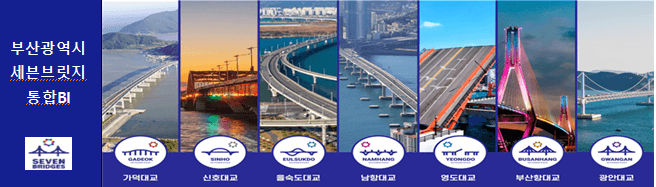
Busan, South Korea — Busan is turning Seven Bridges into a stage. On July 4, city officials gathered on the seventh floor of City Hall to launch preparations for a new kind of cycling event—one that trades stadiums for steel spans and shoreline roads.
The event, titled the 2025 Seven Bridges Tour, is scheduled for September 21, and it’s set to send 3,000 riders across a 77-kilometer course that weaves together ocean, overpass, and open air.
What makes this course distinct is what locals now call Busan’s Seven Bridges—a chain of sea-spanning structures that thread through the city’s coastline from Gwangalli to Gadeokdo. Some are built for spectacle, others for freight.
A few are curved like sails; others cut clean through the horizon. Gwangandaegyo, with its double-deck span and nightly light shows, is familiar to most. Busanhangdaegyo moves cargo past the port while offering views of Yeongdo’s ridgelines.
Eulsukdodaegyo sweeps over the Nakdonggang Estuary, flanked by wetlands and cherry trees in spring. Then there are workhorses like Shinhodaegyo and Namhangdaegyo, less photographed but no less essential. Together, they’re less a list and more a living outline of the city.
The route isn’t ordinary. It begins at BEXCO, the city’s convention hub, but quickly leaves the familiar behind—rising onto the decks of Gwangan Bridge, curving through Busan Harbor Bridge, and dipping into tunnels like Cheonma, where the air changes and the sound of gears echoes off concrete.
Riders will cross Namhangdaegyo and Eulsukdodaegyo bridges, roll past estuaries, then loop back through a mirrored path. For one morning only, roads usually claimed by cars will be handed over to pedals and breath.
The ride is only part of it. On the same morning, Gwangandaegyo Bridge’s upper deck will open to foot traffic, no cars, just people and breeze. There’ll be a parade, stunt riders flipping mid-air, and food trucks run by chefs with resumes longer than their menus. Nearby, at BEXCO, kids will learn how to fix a chain or wear a helmet properly, while their parents watch or join in. It’s not a race day. It’s a street day.
Tickets go on sale soon—early bird opens July 16, regular sales follow on the 22nd. The revenue won’t disappear into a general fund. It’ll go back into the event: safety gear, staff wages, first-aid tents, proper toilets, and maybe a few more water stations than last time. Enough, the city hopes, to make this not a one-off, but a beginning.
City officials describe the event as part of a broader effort to connect public space with everyday activity. Whether it becomes a recurring tradition or remains a one-time ride will depend on how smoothly it runs, how safely it’s managed, and how people respond.
Continue this reporting
Reporting on the same issue
Related coverage selected from the article's desk, topics and newsroom relationships.
 NewsOct 22, 2026
Busan Port’s LNG and Methanol Plan: Who Pays to Keep Fuel Ready?
Busan already supplies ships with LNG and methanol, drawing on regional and i...
 NewsOct 16, 2026
What Is Still Worth Going to See?
Busan’s biennale faces questions of artistic judgment and institutional care....
 NewsOct 14, 2026
What Became of Busan’s University Streets?
From 2015 to 2023, registered businesses grew near Pusan National University...
More from the author
More from this byline
Stay with the same line of reporting through more work from this byline.
- NewsOct 22, 2026
Busan Port’s LNG and Methanol Plan: Who Pays to Keep Fuel Ready?
 NewsOct 12, 2026
Bukangi, the Shark That Stayed in Busan’s North Port
Reader Signal
Community readWhat did this report leave you with?
Choose the signal that best reflects your reading. Select it again to remove it.
One response per article
No response selected
A moderated conversation about the reporting.
One-level replies and newsroom moderation keep the conversation anchored to this article.
Discussion Status
Open
Please sign in to join the discussion.
Newsletter
Weekly reporting and context from Busan and Korea.