Busan to Launch Pilot Project for Garden-Type Urban Forests at BRT Stops
Busan, South Korea - The City of Busan has announced the initiation of a pilot project to create garden-type urban forests at select Bus Rapid Transit (BRT) stops. This innovative project aims to enhance the environment and usability of BRT stations by addressing the challenges posed by extreme summer heat, ground heat, and fine dust. The pilot project will be implemented at four key BRT stops: Song Sang-hyeon Square, Gaya Station (Line 2), Centum Station (Donghae Line), and Choryang Station (C

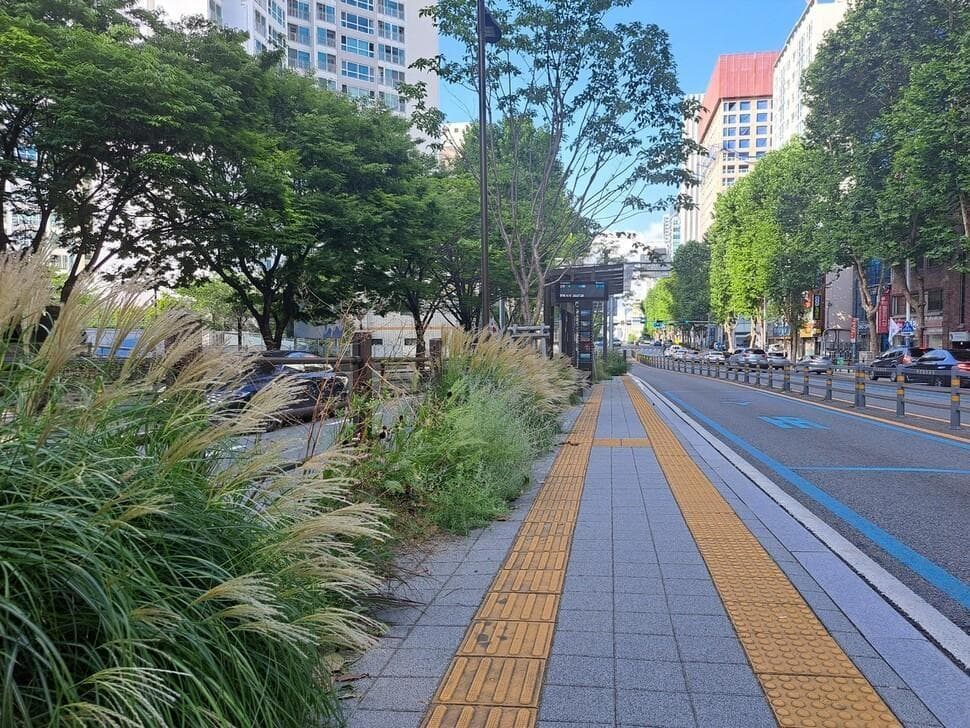
Busan, South Korea - The City of Busan has announced the initiation of a pilot project to create garden-type urban forests at select Bus Rapid Transit (BRT) stops. This innovative project aims to enhance the environment and usability of BRT stations by addressing the challenges posed by extreme summer heat, ground heat, and fine dust.
The pilot project will be implemented at four key BRT stops: Song Sang-hyeon Square, Gaya Station (Line 2), Centum Station (Donghae Line), and Choryang Station (Choryang Intersection). The initiative is designed to provide a more pleasant waiting environment for passengers while promoting the use of public transportation.
The "garden-type urban forests" will feature small-scale gardens tailored to the compact spaces of BRT stops. By planting various garden plants, these urban oases aim to improve the aesthetic appeal of city streets and offer a more comfortable experience for commuters.
Bus Rapid Transit (BRT) is a high-speed bus transit system that operates on dedicated routes. These systems are designed to reduce travel time and improve the efficiency of public transportation. By utilizing dedicated bus lanes, pre-paid boarding, and traffic signal management that prioritizes BRT buses, the system can significantly reduce travel time for commuters.
BRT systems also contribute to improving the pedestrian environment. By reducing the number of vehicles on the road and encouraging the use of public transportation, BRT systems create safer streets for pedestrians and cyclists. Dedicated bus lanes minimize the interaction between buses and other vehicles, reducing the risk of traffic accidents. Additionally, the infrastructure improvements associated with BRT projects, such as better pedestrian crossings and safer walking paths, further enhance the safety and walkability of urban areas.
This project is a response to persistent demands from BRT users and environmental groups for better environmental conditions at bus stops. It reflects the city's commitment to creating a livable Busan. The pilot project is scheduled for completion within this year, following consultations with relevant agencies. This initiative marks the beginning of a broader plan to establish garden-type urban forests at all 125 BRT stops across the city by 2026.
The pilot project not only aims to improve the immediate environment at BRT stops but also serves as a model for sustainable urban development. By integrating greenery into public infrastructure, Busan is setting a precedent for other cities facing similar environmental challenges.
Continue this reporting
Reporting on the same issue
Related coverage selected from the article's desk, topics and newsroom relationships.
 NewsOct 16, 2026
What Is Still Worth Going to See?
Busan’s biennale faces questions of artistic judgment and institutional care....
 NewsOct 14, 2026
What Became of Busan’s University Streets?
From 2015 to 2023, registered businesses grew near Pusan National University...
 NewsOct 12, 2026
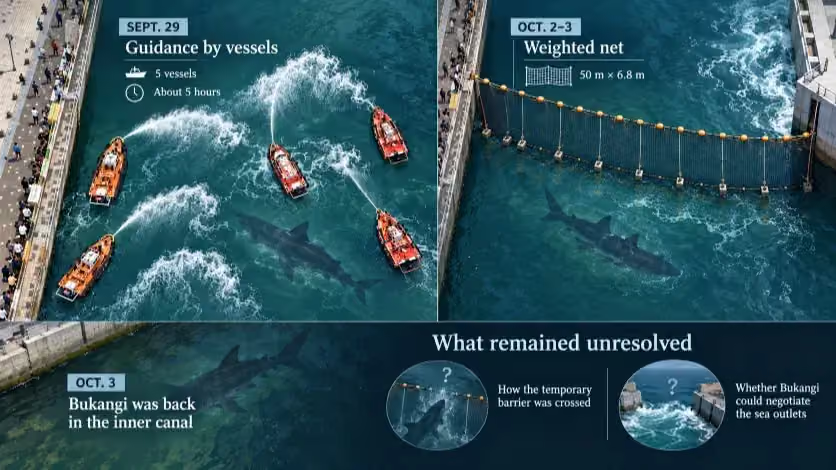
Bukangi, the Shark That Stayed in Busan’s North Port
A rescue net guided Bukangi toward the sea, but the dusky shark returned to B...
More from the author
More from this byline
Stay with the same line of reporting through more work from this byline.
 NewsOct 9, 2026
Why “Busan Is Good” Falls Short as a City Brand
 NewsSep 18, 2026
The Other AI Race Is for the Freedom to Change Course
Reader Signal
Community readWhat did this report leave you with?
Choose the signal that best reflects your reading. Select it again to remove it.
One response per article
No response selected
A moderated conversation about the reporting.
One-level replies and newsroom moderation keep the conversation anchored to this article.
Discussion Status
Open
Please sign in to join the discussion.
Newsletter
Weekly reporting and context from Busan and Korea.