Busan Plans Two New AI Data Centers by 2029 Amid National AI Push
Busan has signed an agreement with IGIS Asset Management to develop two artificial intelligence data centers in the city’s western industrial zone.

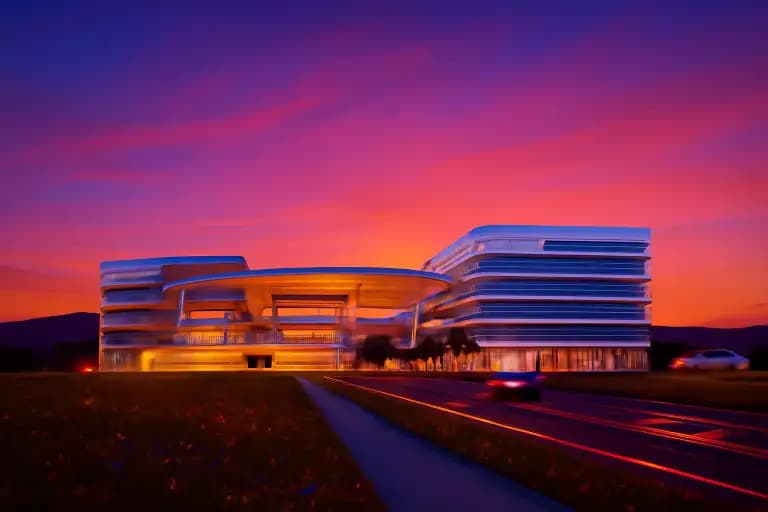
Buan, South Korea — On June 17, the city of Busan signed a Memorandum of Understanding with IGIS Asset Management for a ₩1.8 trillion (approximately USD 1.3 billion) investment to construct and operate two artificial intelligence (AI) data centers. The facilities are planned for the Myeongji-Noksan National Industrial Complex in Gangseo District, a designated industrial zone in West Busan.
According to the city government, the project is expected to create around 300 direct jobs and more than 7,500 indirect jobs through related services and construction activities. Construction is scheduled to begin in late 2026, with operations planned to start by 2029. The estimated economic ripple effect, including induced production and added value, exceeds ₩4.8 trillion. These projections are based on internal city estimates and have not been independently verified.
The development comes amid growing national interest in AI infrastructure expansion. The Korean government passed the AI Basic Act in December 2024, which is set to take effect in January 2026. The law provides legal grounds for computing cluster development, high-performance GPU supply, tax incentives, and regulatory streamlining for AI infrastructure projects. On June 15, the Presidential Office appointed a Senior Secretary for AI to oversee cross-ministerial coordination, reflecting a shift toward centralized AI policy governance.
Busan has seen increased activity in data center development in recent years. As of early 2025, 20 new data centers have been announced for the city, with 17 of them located in the western districts of Gangseo, Sasang, and Saha. The availability of industrial land, proximity to Busan New Port, and future connectivity with the planned Gadeok International Airport have contributed to this concentration.
However, there are infrastructure challenges. Western Busan has limited local electricity generation, and power demand is expected to increase significantly due to the energy-intensive nature of data centers. City documents indicate that total demand in Gangseo and Saha could rise from around 4,000 GWh in 2024 to over 14,000 GWh by 2030. To address this, a new 1,000 MW-class substation is planned in Sin-Gangseo, targeted for completion by 2027. Still, additional grid enhancements, including high-voltage transmission lines, would be needed to support long-term growth.
The city has also identified the need to attract technical talent capable of managing AI data center operations. While Busan hosts several universities and research institutions, workforce development in specialized fields such as data center engineering and AI infrastructure operations remains in progress.
As of now, no specific cloud or AI service operators have been publicly named as tenants or clients of the planned data centers. Discussions between the city and potential partners are reportedly ongoing. Busan's digital innovation policy outlines potential use cases for such infrastructure in smart logistics, manufacturing, and public sector digitalization.
The IGIS investment represents one of several efforts by the Busan municipal government to participate in national-level digital industry growth. The long-term success of these efforts will depend on multiple factors, including infrastructure delivery, coordination with national policy, and market demand for high-performance computing services in the region.
Continue this reporting
Reporting on the same issue
Related coverage selected from the article's desk, topics and newsroom relationships.
 NewsOct 22, 2026
Busan Port’s LNG and Methanol Plan: Who Pays to Keep Fuel Ready?
Busan already supplies ships with LNG and methanol, drawing on regional and i...
 NewsOct 16, 2026
What Is Still Worth Going to See?
Busan’s biennale faces questions of artistic judgment and institutional care....
 NewsOct 14, 2026
What Became of Busan’s University Streets?
From 2015 to 2023, registered businesses grew near Pusan National University...
More from the author
More from this byline
Stay with the same line of reporting through more work from this byline.
- NewsOct 22, 2026
Busan Port’s LNG and Methanol Plan: Who Pays to Keep Fuel Ready?
 NewsOct 12, 2026
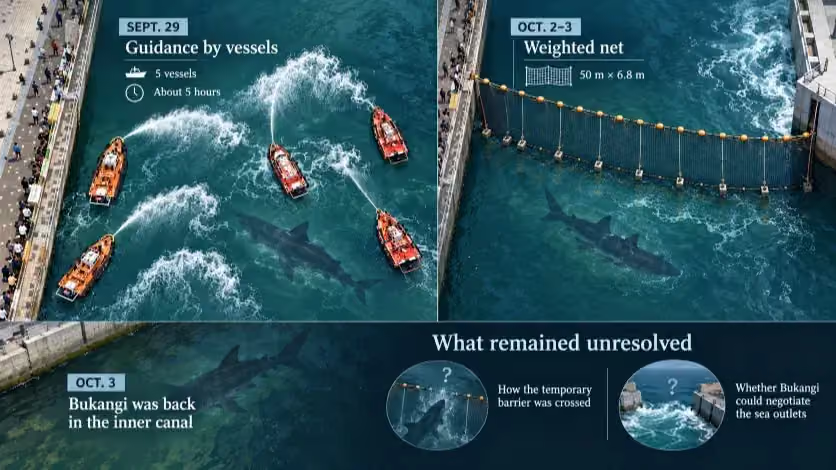
Bukangi, the Shark That Stayed in Busan’s North Port
Reader Signal
Community readWhat did this report leave you with?
Choose the signal that best reflects your reading. Select it again to remove it.
One response per article
No response selected
A moderated conversation about the reporting.
One-level replies and newsroom moderation keep the conversation anchored to this article.
Discussion Status
Open
Please sign in to join the discussion.
Newsletter
Weekly reporting and context from Busan and Korea.