Busan Debates Global Hub Vision Centered on Western Busan
Busan, South Korea — On August 20, 2024, Busan took a significant step towards realizing its ambition of becoming a global logistics and industrial hub by launching a citizen debate series focused on the city's strategic development. The first event, held at the National Assembly Busan Library, centered on Western Busan and attracted over 300 participants, including Mayor Park Heong-joon, national assembly members, western district mayors, and prominent academics. Western Busan, which includes

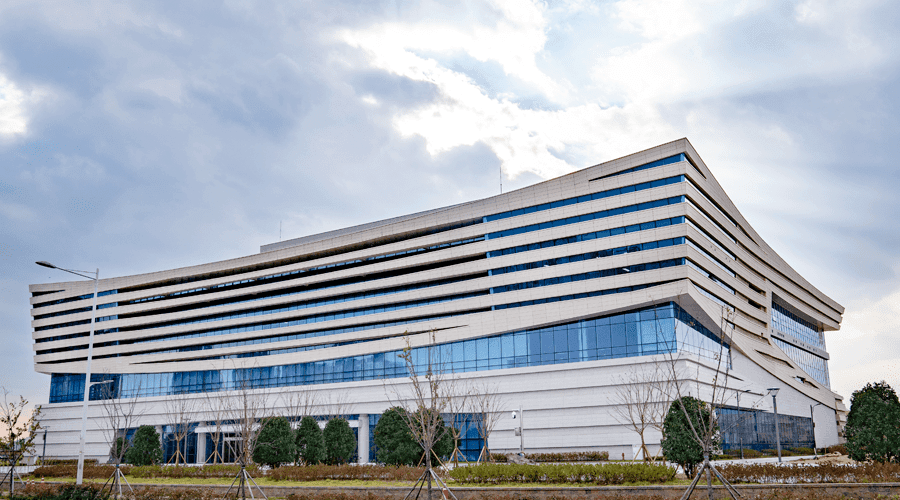
Busan, South Korea — On August 20, 2024, Busan took a significant step towards realizing its ambition of becoming a global logistics and industrial hub by launching a citizen debate series focused on the city's strategic development. The first event, held at the National Assembly Busan Library, centered on Western Busan and attracted over 300 participants, including Mayor Park Heong-joon, national assembly members, western district mayors, and prominent academics.
Western Busan, which includes critical infrastructure like Gadeokdo New Airport and Busan New Port, has been highlighted as a key area for driving Busan’s transformation into a global hub. Mayor Park emphasized that Western Busan would serve as the "new center" of this transformation, underlining its pivotal role in the city’s broader economic ambitions. Discussions during the event focused on leveraging the region's assets to enhance Busan's role in global logistics, tourism, and high-tech industries.
Professor Woo Jong-kyun from Tongmyong University presented an in-depth analysis of the strategic challenges and opportunities facing Busan. His presentation set the stage for a panel discussion where experts debated practical steps for achieving the city’s vision, including necessary policy reforms, infrastructure improvements, and strategies for fostering international cooperation.
A central focus of the debate was the "Busan Global Hub City Special Act," a legislative proposal currently under review by the National Assembly. This Act is designed to create special zones within Busan that offer regulatory and financial incentives to attract international businesses. These zones will focus on logistics, finance, and education, making it easier for companies to operate with minimal bureaucratic barriers.
The Act is seen as crucial for unlocking Busan's potential as a global hub. The city is already the world’s second-largest transshipment port and seventh-largest container port, with 40% of global cargo passing through its waters. The legislation aims to capitalize on these strengths by promoting innovation and attracting global talent, particularly in advanced manufacturing, tourism, and education sectors.
The "Busan Global Hub City Special Act" enjoys strong backing from the South Korean government, including President Yoon Suk-yeol, who views the Act as essential for the country's overall economic strategy. The government envisions Seoul and Busan as twin pillars of South Korea’s growth, with Busan playing a critical role in the southern region's development. Despite some legislative challenges, there is broad bipartisan support for the Act, and efforts are being made to pass it within the current session.
The debate series launched in Western Busan is part of a broader effort to involve citizens in shaping the city’s future. Mayor Park and other speakers emphasized the importance of public participation in building consensus around Busan’s global hub vision. The event in Western Busan is the first of several planned across different regions of Busan, with upcoming debates scheduled for Middle Busan, Eastern Busan, and the Original Downtown area in September and October.
Continue this reporting
Reporting on the same issue
Related coverage selected from the article's desk, topics and newsroom relationships.
 NewsOct 16, 2026
What Is Still Worth Going to See?
Busan’s biennale faces questions of artistic judgment and institutional care....
 NewsOct 14, 2026
What Became of Busan’s University Streets?
From 2015 to 2023, registered businesses grew near Pusan National University...
 NewsOct 12, 2026
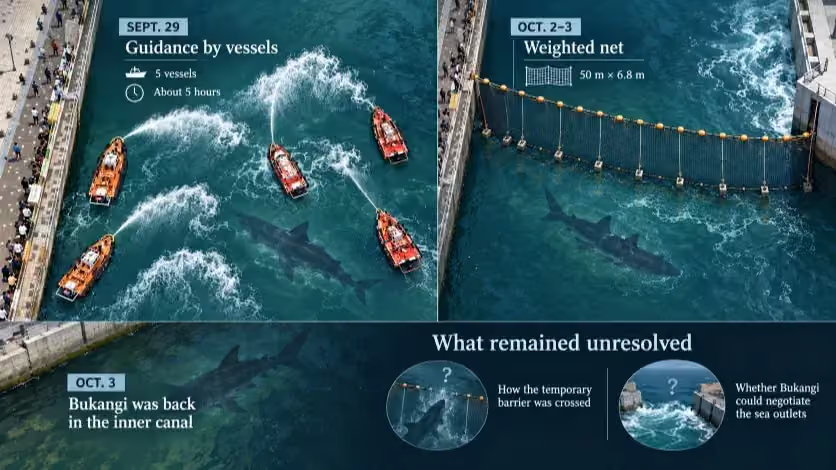
Bukangi, the Shark That Stayed in Busan’s North Port
A rescue net guided Bukangi toward the sea, but the dusky shark returned to B...
More from the author
More from this byline
Stay with the same line of reporting through more work from this byline.
 NewsOct 9, 2026
Why “Busan Is Good” Falls Short as a City Brand
 NewsSep 18, 2026
The Other AI Race Is for the Freedom to Change Course
Reader Signal
Community readWhat did this report leave you with?
Choose the signal that best reflects your reading. Select it again to remove it.
One response per article
No response selected
A moderated conversation about the reporting.
One-level replies and newsroom moderation keep the conversation anchored to this article.
Discussion Status
Open
Please sign in to join the discussion.
Newsletter
Weekly reporting and context from Busan and Korea.