South Korea's Entertainment Industry Demands Legal and Media Reform
In the wake of the tragic demise of the celebrated South Korean actor Lee Sun-kyun, a wave of profound grief and a fervent call for justice have swept through the nation’s cultural landscape. Notable figures from the world of cinema and music, including the internationally acclaimed director Bong Joon-ho, revered singer-composer Yoon Jong-shin, directors Lee Won-taek and Jang Hang-jun, along with actor Kim Ui-sung, have rallied in an unprecedented manner. Their collective voice echoes a demand f
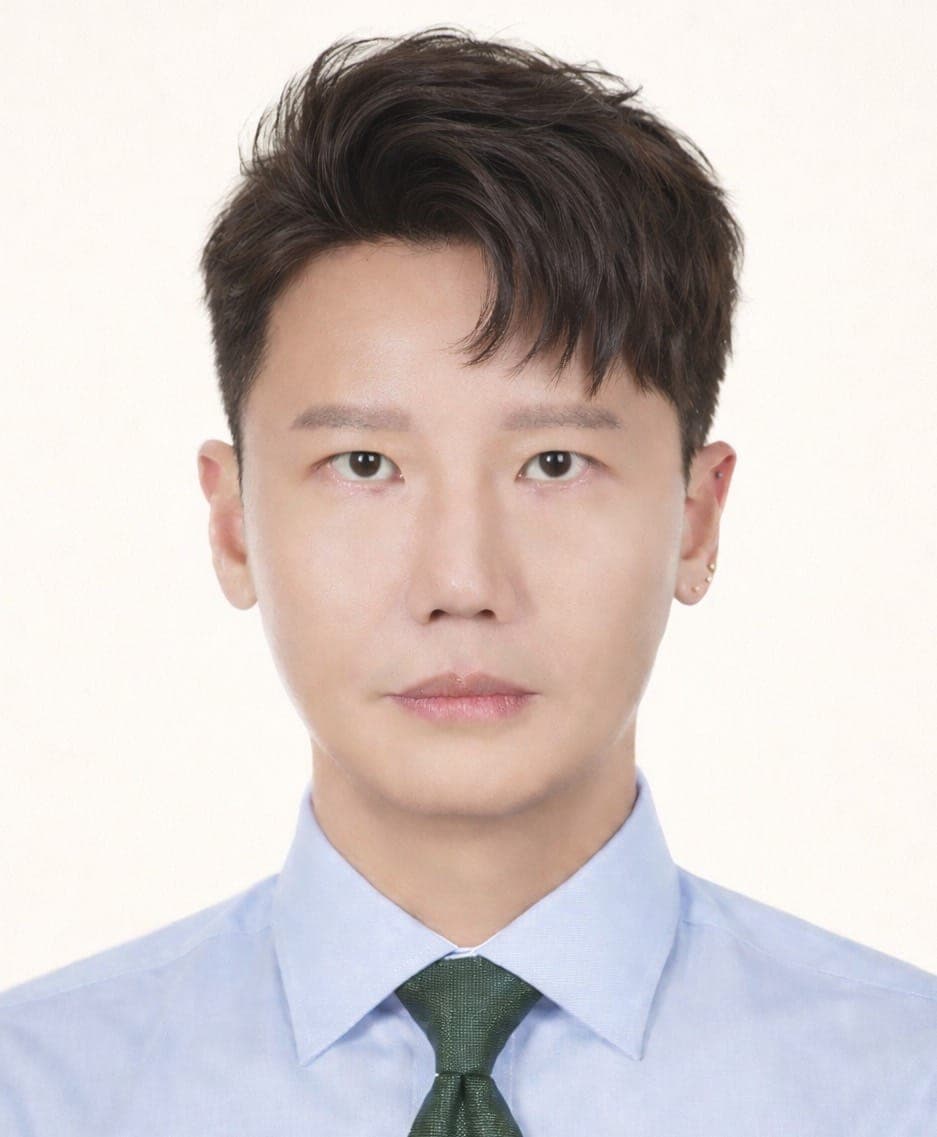
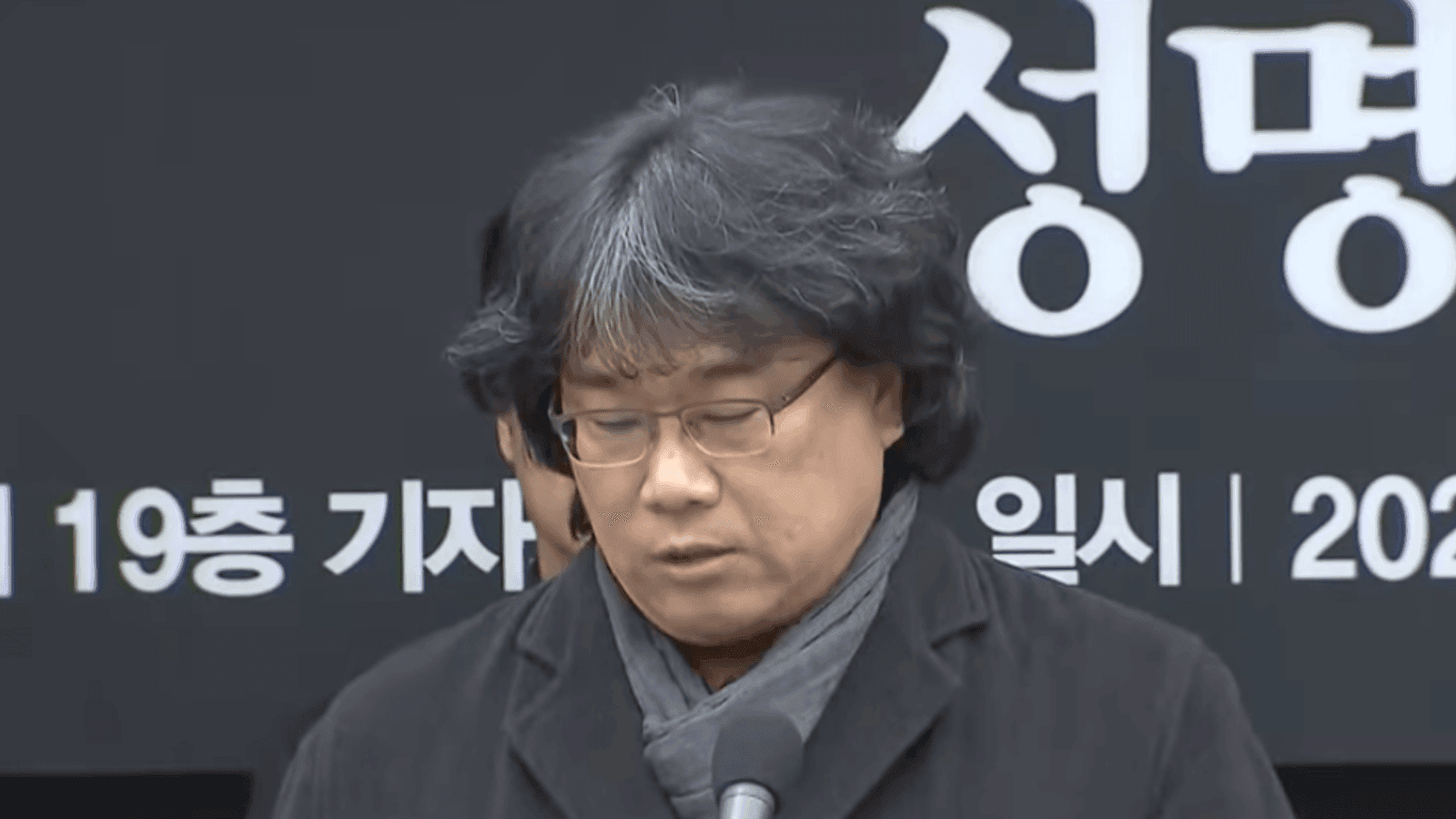
In the wake of the tragic demise of the celebrated South Korean actor Lee Sun-kyun, a wave of profound grief and a fervent call for justice have swept through the nation’s cultural landscape. Notable figures from the world of cinema and music, including the internationally acclaimed director Bong Joon-ho, revered singer-composer Yoon Jong-shin, directors Lee Won-taek and Jang Hang-jun, along with actor Kim Ui-sung, have rallied in an unprecedented manner. Their collective voice echoes a demand for a thorough investigation into the circumstances leading to Lee's untimely death, while also challenging the media’s role in the coverage of the event. This has sparked a broader conversation about the protection of artists' rights and the need for legislative reform to prevent such tragedies from recurring.
At the heart of their movement is the proposed 'Lee Sun-kyun Artist Protection Act,' a legislative initiative aimed at safeguarding the rights and dignity of cultural artists. The recent assembly at the Korea Press Center, led by these influential figures, not only marked a poignant moment of solidarity but also served as a platform for vocalizing their demands and concerns. This movement underscores a critical juncture in South Korea's cultural and legal history, spotlighting the intricate relationship between media practices, legal proceedings, and the rights of individuals in the public eye.
As the cultural community unites to seek accountability and reform, their actions resonate beyond the borders of the entertainment industry, stirring a national and potentially international dialogue on the intersection of media ethics, legal rights, and human dignity.
The Catalyst for Change: The Tragic End of Lee Sun-kyun
The cultural realm of South Korea was shaken to its core by the untimely death of the renowned actor Lee Sun-kyun, an event that has since ignited a fervent call for systemic change. Lee's passing was not just a loss for the entertainment industry but a trigger for introspection about the vulnerabilities faced by artists in the public eye.
Lee Sun-kyun, known for his diverse roles and captivating performances, faced a harrowing ordeal in his final months. Reports indicate that following allegations of drug-related charges, he was subjected to intense media scrutiny and a lack of adequate protection from invasive reporting. This relentless media exposure, coupled with the pressures of the legal process, is believed to have contributed significantly to the distress that led to his tragic decision.
In the aftermath of Lee's death, prominent figures in the South Korean entertainment industry, including Director Bong Joon-ho, Singer-Composer Yoon Jong-shin, Director Lee Won-taek, Actor Kim Ui-sung, and Director Jang Hang-jun, have unified to voice their grievances and demand change. The central issue they highlight is the absence of a protective mechanism for individuals in the cultural sector who find themselves thrust into legal and media maelstroms.
This tragic event has laid bare the vulnerabilities of public figures in the face of intense media scrutiny and legal proceedings. The outcry following Lee's death is not just a call for justice but a plea for a more humane approach to handling such sensitive matters, respecting the dignity and mental wellbeing of those involved.
The proposed 'Lee Sun-kyun Artist Protection Act' represents a significant step toward addressing these concerns. It aims to establish guidelines and protections to prevent the recurrence of such tragedies, ensuring that the rights and dignity of artists are upheld during legal investigations and media coverage.
As South Korea grapples with the aftermath of this tragedy, the global community watches, recognizing the universal challenge of balancing the public's right to information with the rights of individuals for privacy and respect. The movement sparked by Lee Sun-kyun's passing is a poignant reminder of the need for compassion and ethical responsibility in both media and legal practices.
On January 12th, a press conference was held, bringing together some of the most influential figures in South Korea’s cultural scene. This gathering wasn't just a show of solidarity; it was a platform for these artists and industry leaders to articulate their demands and lay out their vision for a more protective and respectful treatment of artists in the public domain.
At the forefront of this assembly were Director Bong Joon-ho, Actor Kim Ui-sung, Singer-Composer Yoon Jong-shin, and Director Lee Won-taek, each taking turns to read aloud a statement that encapsulated their collective stance and concerns. The statement delineated the sequence of events leading to Lee Sun-kyun's tragic death, highlighting the intense scrutiny and pressure he faced from both the media and the legal system.
The speakers emphasized the lack of a safety net for artists who, like Lee, find themselves caught in the crossfire of legal issues and media frenzy. They criticized the invasive and often sensationalist media coverage that, in their view, prioritizes scandal over sensitivity and respect for privacy. The statement also pointed out the need for a more responsible and humane approach from the authorities in handling cases involving public figures.
The conference ended with a poignant reminder of the broader implications of Lee Sun-kyun's story – a reminder that the issue at hand extends beyond the entertainment industry, touching upon fundamental questions about human dignity, ethical journalism, and the role of the legal system in safeguarding individual rights.
Seeking Accountability: Cultural Leaders Challenge Media and Legal Practices
In the wake of the tragic loss of Lee Sun-kyun, the collective voice of South Korea's cultural community has risen to challenge existing practices in both the media and legal system. The heart of their criticism lies in what they perceive as a failure to protect the dignity and privacy of individuals, particularly those in the public eye, during legal proceedings and media coverage.
The cultural figures have been vocal in criticizing the media for what they consider to be overstepping boundaries of privacy and decency. The press conference highlighted a series of concerns:
- The sensationalist and invasive nature of the reporting surrounding Lee Sun-kyun's case.
- The tendency to treat allegations and investigations as conclusive guilt, leading to a trial by media.
- The lack of restraint in publishing private and sensitive information, especially when it bears little relevance to the public interest.
In light of these concerns, there's a strong demand for media outlets, including prominent broadcasters like the Korean Broadcasting System (KBS), to re-evaluate their reporting practices. The call is for a more ethical approach that respects the personal boundaries of individuals, especially when they are facing legal issues.
Equally important is the criticism of the legal system's handling of cases involving public figures. The speakers at the conference expressed disappointment over the absence of adequate measures to protect individuals like Lee from undue public exposure and media frenzy during investigations. They emphasized the need for:
- A thorough investigation into the initial leak of information regarding Lee's case.
- A re-examination of procedures to ensure that an individual's rights are not compromised during legal proceedings.
- Establishing clear legal guidelines to balance the public's right to know with the privacy and dignity of individuals under investigation.
Central to their demands is the establishment of the 'Lee Sun-kyun Artist Protection Act'. This proposed legislation is aimed at creating a framework that would provide legal and ethical guidelines for handling cases involving cultural figures. The act is intended to prevent recurrence of such incidents by ensuring that the dignity and rights of artists are maintained throughout legal proceedings and media coverage. It represents a call for systemic change, seeking to redefine the interaction between the media, legal system, and the rights of individuals.
The response to the tragic passing of Lee Sun-kyun has transcended individual grief, evolving into a robust movement for change within the cultural community of South Korea. This wave of solidarity, stemming from the loss of a beloved actor, has drawn support from a wide array of artists, industry leaders, and organizations, all unified in their pursuit of legal and ethical reforms in the media and legal sectors.
The Weekly Breeze
Keep pace with Busan's deep narratives.
Delivered every Monday morning.


