How Generation Z is Rejecting Minimalist Design
In recent years, a striking shift in design preferences has emerged among Generation Z, leading to the resurgence of maximalism and a rejection of the minimalist aesthetics that dominated the 2010s. Clean lines, white walls, and curated simplicity, once the hallmarks of modern spaces, are being replaced by eclectic, bold designs full of color, texture, and personality. But what is driving this cultural movement? And why is the younger generation gravitating toward spaces with imperfection, histo

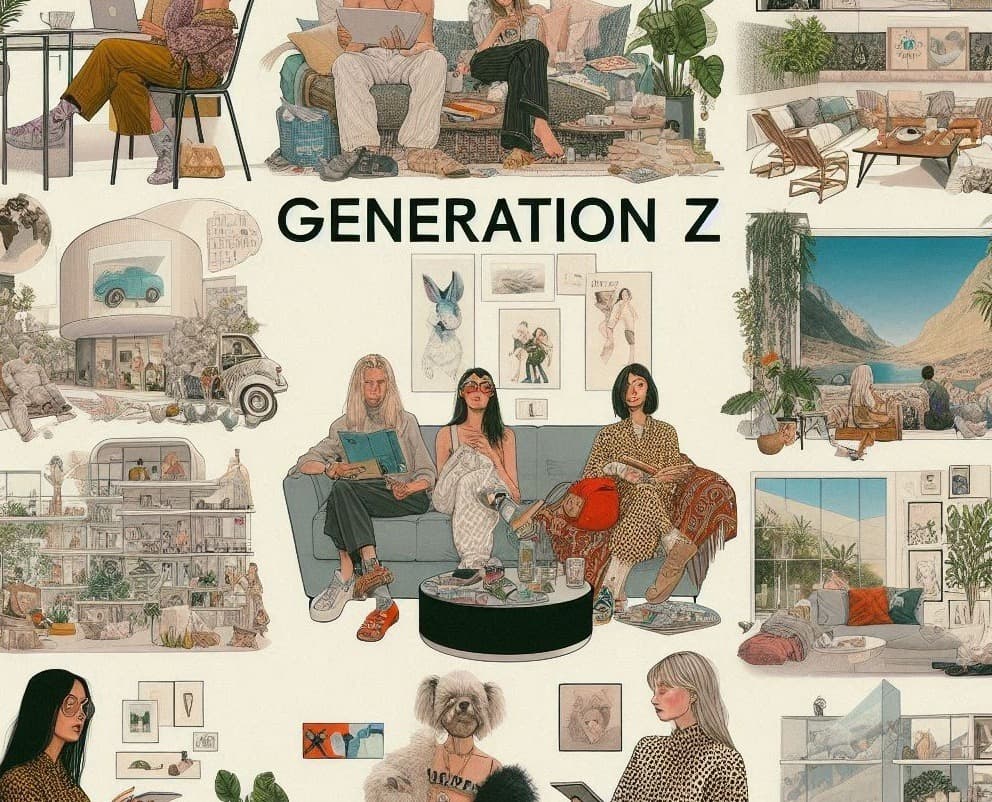
In recent years, a striking shift in design preferences has emerged among Generation Z, leading to the resurgence of maximalism and a rejection of the minimalist aesthetics that dominated the 2010s. Clean lines, white walls, and curated simplicity, once the hallmarks of modern spaces, are being replaced by eclectic, bold designs full of color, texture, and personality. But what is driving this cultural movement? And why is the younger generation gravitating toward spaces with imperfection, history, and character?
Minimalism became synonymous with modern design throughout the 2010s, particularly following the Great Recession of 2008. In the aftermath of economic hardship, the stripped-down, clutter-free aesthetic of minimalism represented a clean break from the overconsumption and material excesses of the early 2000s. From Instagram influencers to Silicon Valley startups, the appeal of minimalism spread rapidly across industries. White walls, neutral palettes, and functional spaces came to dominate everything from home interiors to public spaces.
However, by the late 2010s, a new generation—raised in a digital age saturated with curated perfection—began to turn away from this polished minimalism in favor of something more expressive and personal. Maximalism, a design trend marked by bold colors, diverse textures, and a sense of playful clutter, has become a hallmark of Gen Z’s aesthetic preferences. Their rejection of minimalism speaks to a deeper desire for authenticity, individuality, and sustainability in an increasingly standardized world.
For Generation Z, who grew up with endless access to digital content and global trends, the minimalist aesthetic often feels detached and impersonal. Maximalism, by contrast, offers a way to make personal statements through design. “Rather than relying on identical, hyper-manufactured goods to furnish living spaces, consumers have turned to objects that spark joy for them personally,” says a report by Screenshot Media. Vintage pieces, quirky decor, and bold patterns now adorn the homes of many young people, who are eager to create spaces that reflect their unique identities and tastes.
This shift is also a reaction to the homogenization of spaces, particularly public ones, which has occurred under the influence of minimalism. From cafes to office spaces, the clean, modernist design has been applied so uniformly that many places feel indistinguishable. As one journalist put it, “Every object felt hand-selected and properly placed, creating both a friendly familiarity and an uncanny flattening of all context.”
In contrast, Generation Z is drawn to the idea of imperfection and the lived-in feel of spaces with history. They gravitate towards older buildings or refurbished industrial spaces that offer a sense of authenticity. The preference for quirky, unpolished spaces is a response to the often sterile, "Instagram-perfect" environments they’ve grown up with.
Beyond personal expression, sustainability is another key factor influencing this design trend. Gen Z is highly aware of environmental issues and is more inclined to thrift, upcycle, and reuse than to buy brand-new furniture or decor. This approach not only reduces waste but also adds a sense of history and depth to their living spaces. According to a report by ComfyResidency, “Gen Z favors innovative materials and DIY elements, often purchasing second-hand furniture or repurposing items to create unique, environmentally friendly designs.”
For many, the aesthetic appeal of maximalism is intertwined with the environmental movement. Handmade, vintage, or upcycled pieces carry stories and memories, turning homes into curated spaces that reflect their owners' lives and values. This stands in stark contrast to the disposable culture and mass-produced items associated with modern consumerism.
Maximalism's rise can also be seen as part of a broader cultural reaction against the dominance of modernism in both design and architecture. A recent survey by the National Civic Art Society found that a significant majority of Americans, including 68% of Gen Z respondents, preferred traditional architecture over modernist buildings for federal structures. This desire for spaces that reflect history, character, and personality is evident not only in home interiors but also in public spaces, where young people are increasingly seeking environments that feel more grounded and authentic.
Generation Z’s embrace of maximalism is more than just a rejection of minimalism. It is a statement about individuality, sustainability, and a desire for spaces that tell a story. In an age where everything from fashion to social media is highly curated, the preference for bold, messy, and unique designs reflects a deeper cultural yearning for authenticity and self-expression. As this trend continues to evolve, it is clear that the aesthetic landscape is shifting once again—this time, toward a more eclectic, personal, and joyful form of design.
The Weekly Breeze
Keep pace with Busan's deep narratives.
Delivered every Monday morning.