Can Government-Sponsored Events Reverse Declining Birth Rates?
In a bold attempt to address one of the world’s most pressing demographic issues, South Korea’s local governments are turning to matchmaking events to increase marriage and birth rates. Facing a fertility rate of 0.78 births per woman—one of the lowest globally—local governments have decided to play Cupid, hoping these events can inspire marriage and, eventually, childbearing. Yet, for all the media buzz, these matchmaking initiatives may be diverting attention from more deeply rooted socioecono

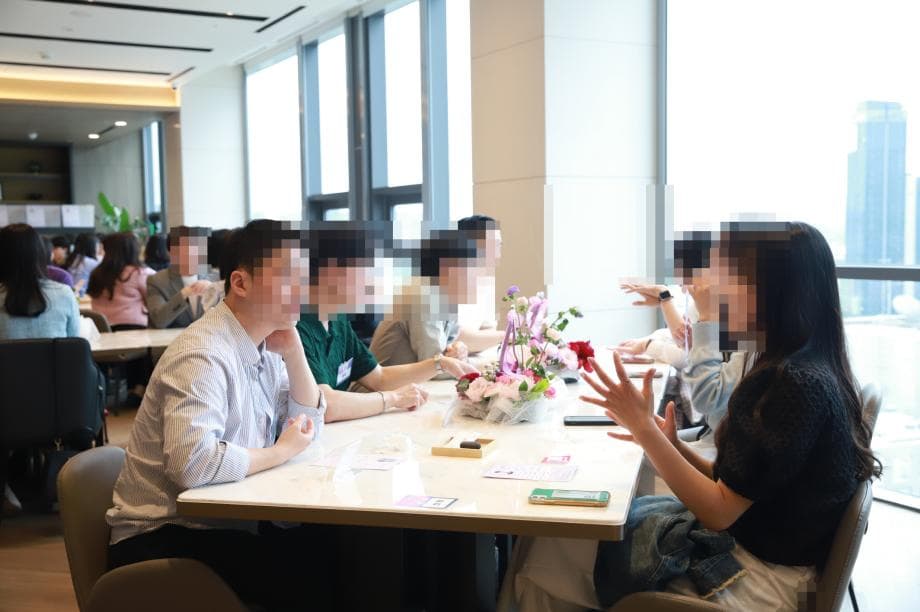
In a bold attempt to address one of the world’s most pressing demographic issues, South Korea’s local governments are turning to matchmaking events to increase marriage and birth rates. Facing a fertility rate of 0.78 births per woman—one of the lowest globally—local governments have decided to play Cupid, hoping these events can inspire marriage and, eventually, childbearing. Yet, for all the media buzz, these matchmaking initiatives may be diverting attention from more deeply rooted socioeconomic issues that hinder young South Koreans from pursuing marriage and family life.
South Korea’s demographic crisis has been looming for years. A combination of economic, cultural, and social factors has led to plummeting marriage and birth rates, as young people grapple with financial burdens, limited job security, and a work culture that makes balancing family and career difficult. Marriage has traditionally been a gateway to family life in South Korea, where fewer than 5% of children are born outside of wedlock. Yet today, fewer young people see marriage as a viable option amidst the country’s economic uncertainties and high costs of living.
Recognizing the need to act, local governments have launched a series of matchmaking programs, from simple speed-dating events to month-long social programs, hoping to create marriage-ready couples. Cities like Seongnam have embraced programs like "Solomon’s Choice," which uses AI-driven personality matching and offers an experience akin to reality dating shows. For many singles in attendance, these programs provide rare social opportunities, particularly in regions with few networking outlets. The events have proven popular, often drawing large numbers of applicants. But while they may offer a temporary boost to the local dating scene, they are unlikely to have a lasting impact on birth rates.
Critics argue that these events represent a symptomatic treatment of a much deeper issue. South Korea’s birth rate crisis is less about the lack of romantic opportunity and more about the complex economic realities young people face. Housing prices in South Korea have soared, particularly in urban areas, where many young adults live and work. Without affordable housing options, saving for a family home has become a distant dream for many. Job insecurity is another deterrent. Although South Korea is a global economic power, many young people face long work hours and short-term contracts, particularly women, who often struggle with limited career advancement once they marry or have children.
What’s more, gender inequalities in the workforce exacerbate the problem. Women in South Korea are paid significantly less than men on average, and they face an unspoken expectation to prioritize family over career, particularly after marriage. As a result, many young women are choosing careers over family life, feeling that the high personal cost of marriage and childbearing is too great. In this context, matchmaking events fail to address the real barriers to marriage and family life, which are primarily economic and structural.
Regional Disparities and the Gender Imbalance
A unique element complicating South Korea’s matchmaking programs is the imbalance of eligible men and women, particularly in rural areas. Decades of preference for male children have left a surplus of men reaching marriage age with fewer local women as potential partners, a phenomenon known as the “marriage squeeze.” Rural regions like Gyeongsangbuk-do and Gyeongsangnam-do are particularly affected, where the imbalance is most acute.
The situation is worsened by migration trends. Young women are leaving rural areas for urban centers, where better employment opportunities await. This not only widens the gender gap in rural regions but also highlights a glaring oversight in policy: without efforts to create incentives for young women to stay in or move to rural areas, the matchmaking events will continue to face gender imbalances. Some regions have attempted to broaden the participant pool, even inviting participants from outside their localities, yet this may not solve the broader issue of economic opportunities that are crucial for retaining young women in non-metropolitan areas.
For some, these matchmaking events might seem like a fun and fresh approach to a national crisis, but their limitations raise serious questions about effectiveness. The events themselves aren’t inexpensive, often involving elaborate setups, free beauty services, and even background checks on participants. This investment could be more strategically directed at financial incentives and structural policies, such as affordable housing programs, extended parental leave, or tax breaks for young families—measures that address the core reasons many young people avoid family formation. By diverting funds to events that primarily generate media attention, the government may be overlooking long-term solutions that tackle the true economic burdens faced by young people.
Furthermore, privacy and ethical concerns loom large. Some female participants, especially public employees, have reported feeling pressured to attend these events, raising questions about how voluntary these programs really are. This pressure risks reducing the participation of genuinely interested individuals, casting a shadow over the otherwise well-intentioned initiative. Additionally, extensive background checks and personality analyses, though designed to boost compatibility, can come off as invasive and could deter potential participants who view these measures as intrusions into their private lives.
Learning from Other Countries
South Korea’s matchmaking approach isn’t entirely unique; other countries with low birth rates have implemented similar social programs. Japan has supported matchmaking initiatives but pairs them with robust financial incentives for families and supportive work-life policies. Italy has experimented with financial incentives and even “baby bonuses” to encourage childbirth. These efforts point to a broader, more comprehensive approach, recognizing that while social connection is essential, it is only one piece of a larger puzzle.
In an era where young people are increasingly redefining family and partnership structures, South Korea’s policy focus remains on marriage as the primary path to childbearing. The matchmaking events, then, might be better understood as symbolic gestures rather than practical solutions to the declining birth rate. Without policies that create a supportive economic and social environment for young families, matchmaking alone is unlikely to move the needle significantly.
While matchmaking events are a creative way to foster social connection, they can only be one part of a broader strategy to reverse South Korea’s demographic decline. Economic and social policy reform is critical. Experts point out that to make marriage and family life more viable, the government must implement policies that reduce the cost of living, offer meaningful work-life balance, and dismantle workplace gender inequalities. Only by addressing these foundational issues can South Korea hope to see a sustainable increase in birth rates.
As South Korea explores ways to encourage marriage and childbearing, it will need to adopt a more holistic strategy that supports young people’s aspirations for a stable, balanced, and financially secure life. Matchmaking events may serve as a conversation starter, but true change requires commitment to policies that make family life both attractive and achievable in today’s economic reality.
The Weekly Breeze
Keep pace with Busan's deep narratives.
Delivered every Monday morning.