Safety and Accessibility Concerns in Busan's Hadan–Sasang Line Construction
Busan, South Korea - Busan’s Hadan–Sasang Line, an urban railway project set to span 6.9 kilometers, is designed to connect the bustling areas of Hadan and Sasang. Currently, the project is approximately 68% complete, with a targeted opening date in late 2026. However, recent events have raised significant concerns about the project’s safety measures, accessibility, and demographic shifts, casting uncertainty on its completion and readiness to serve the residents of Busan effectively. A series

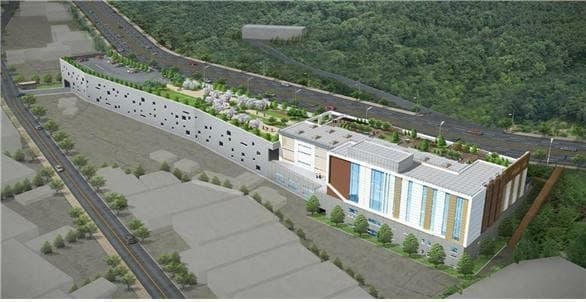
Busan, South Korea - Busan’s Hadan–Sasang Line, an urban railway project set to span 6.9 kilometers, is designed to connect the bustling areas of Hadan and Sasang. Currently, the project is approximately 68% complete, with a targeted opening date in late 2026. However, recent events have raised significant concerns about the project’s safety measures, accessibility, and demographic shifts, casting uncertainty on its completion and readiness to serve the residents of Busan effectively.
A series of alarming ground subsidence incidents have plagued the construction site this year. With eight incidents reported, concerns about the site’s stability and safety practices have intensified. The most serious event occurred on September 21, 2024, in Hakjang-dong, Sasang-gu, where a massive sinkhole, measuring 10 meters in width, 5 meters in length, and 8 meters in depth, led to a fire truck and a truck plummeting into the opening. This dangerous event underscores the precariousness of the area’s soft ground and the importance of safe excavation practices.
Officials and residents alike are questioning the adequacy of the excavation methods employed and the broader safety protocols in place. Public calls for a re-evaluation of the construction techniques used in the area, especially given its known soft ground conditions, are mounting.
In response to these ground subsidence incidents, the Ministry of Land, Infrastructure, and Transport conducted a special inspection of the construction site on October 2, 2024. This inspection focused on the management of underground stability and the implementation of accident prevention strategies. The Ministry emphasized that enhanced safety management measures, tailored to the specific conditions of the soft ground in the construction area, are crucial to preventing further incidents. Safety protocols are now under review to mitigate potential risks as construction progresses toward its projected 2026 completion date.
Concerns extend beyond safety, with potential challenges arising in the transfer system design. Passengers transferring between Line 2 and the new Hadan–Sasang Line at Sasang Station face a total transfer distance of approximately 160 meters. The transfer requires navigating two escalator or elevator rides, a journey that poses considerable challenges for elderly passengers and individuals with disabilities. This cumbersome transfer setup could significantly hinder the accessibility of the new line, limiting its usability for a large portion of Busan’s population.
Officials from the Busan Transportation Corporation have acknowledged that the current design poses difficulties for certain groups of passengers. They further explained that modifying the design to shorten the transfer distance by around 70 meters would incur additional costs exceeding 20 billion won. Given these financial constraints, the Corporation has stated that the current setup, though inconvenient, is considered the optimal solution for now.
The Hadan–Sasang Line faces another potential challenge: shifting demographics in the areas it intends to serve. When construction began, the surrounding neighborhoods had a balanced population with a substantial number of younger residents and students. However, recent demographic changes have seen a decrease in younger populations and a rise in the elderly demographic, especially in areas like Hadan-dong. This shift has led to a reduced demand for housing and services aimed at younger residents and students.
The evolving demographics raise questions about the projected usage rates and financial viability of the Hadan–Sasang Line. With a larger proportion of elderly residents eligible for free transportation, revenue from fare-paying riders may fall short of initial expectations. Additionally, the decline in young commuters further suggests that the line may face lower-than-anticipated ridership once it opens.
The Busan City Council’s Construction and Transportation Committee has responded to the growing concerns by conducting special site inspections of the Hadan–Sasang project. During these inspections, council members reviewed the site’s safety measures and assessed the transfer system's design for potential improvements. Additionally, the Council plans to examine an upcoming ground subsidence investigation report, which is expected to provide a clearer understanding of the causes behind the repeated incidents and help shape preventive strategies.
Chairperson of the City Council’s Construction and Transportation Committee emphasized the importance of incorporating accessible design elements from the early stages. “Designing for accessibility from the outset could have mitigated these transfer-related challenges. We must prioritize the needs of all passengers, especially those who face greater difficulties when navigating complex transfer systems,” he noted.
The Hadan–Sasang Line project represents a key advancement in Busan’s transportation infrastructure, promising greater connectivity for residents. However, its success now depends on addressing significant safety concerns, adapting to demographic shifts, and improving accessibility. Local officials, council members, and transportation authorities are collaborating to tackle these challenges, emphasizing safety, accessibility, and financial sustainability to create a reliable, inclusive urban railway for the people of Busan.
Continue this reporting
Reporting on the same issue
Related coverage selected from the article's desk, topics and newsroom relationships.
 NewsOct 14, 2026
What Became of Busan’s University Streets?
From 2015 to 2023, registered businesses grew near Pusan National University...
 NewsOct 12, 2026
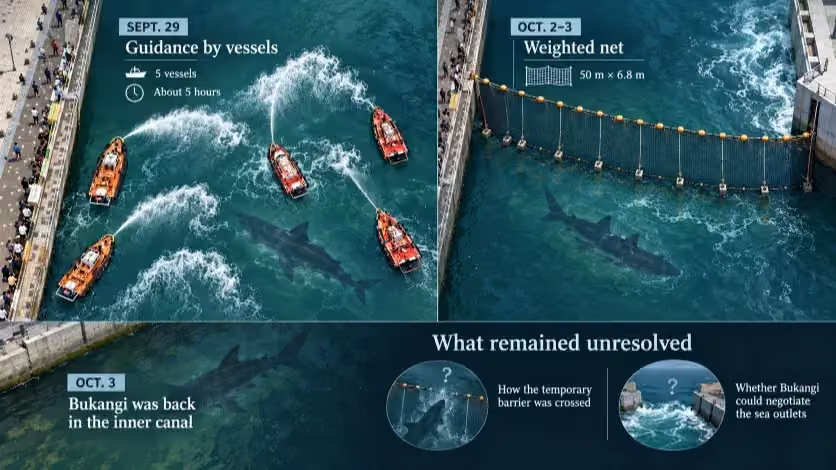
Bukangi, the Shark That Stayed in Busan’s North Port
A rescue net guided Bukangi toward the sea, but the dusky shark returned to B...
 NewsOct 6, 2026
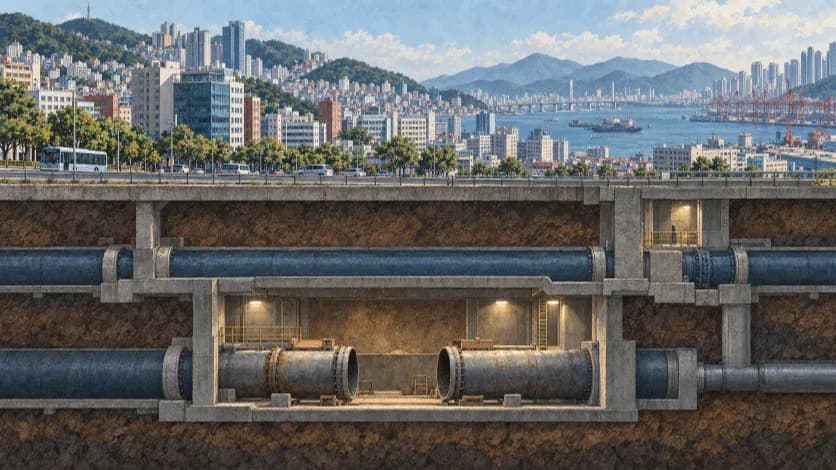
Busan’s Water System Is Entering a Harder Era of Renewal
Busan spent decades building a water system that can absorb major failures. N...
More from the author
More from this byline
Stay with the same line of reporting through more work from this byline.
 NewsOct 9, 2026
Why “Busan Is Good” Falls Short as a City Brand
 NewsSep 18, 2026
The Other AI Race Is for the Freedom to Change Course
Reader Signal
Community readWhat did this report leave you with?
Choose the signal that best reflects your reading. Select it again to remove it.
One response per article
No response selected
A moderated conversation about the reporting.
One-level replies and newsroom moderation keep the conversation anchored to this article.
Discussion Status
Open
Please sign in to join the discussion.
Newsletter
Weekly reporting and context from Busan and Korea.