Reporting, analysis, and commentary on opinion from Breeze in Busan.
What happens when society stops running on rules and starts reacting like a molecule? Explore the collapse of causality, the rise of interpretive humans, and why sensing flows — not storing facts — is now the key to intelligence.
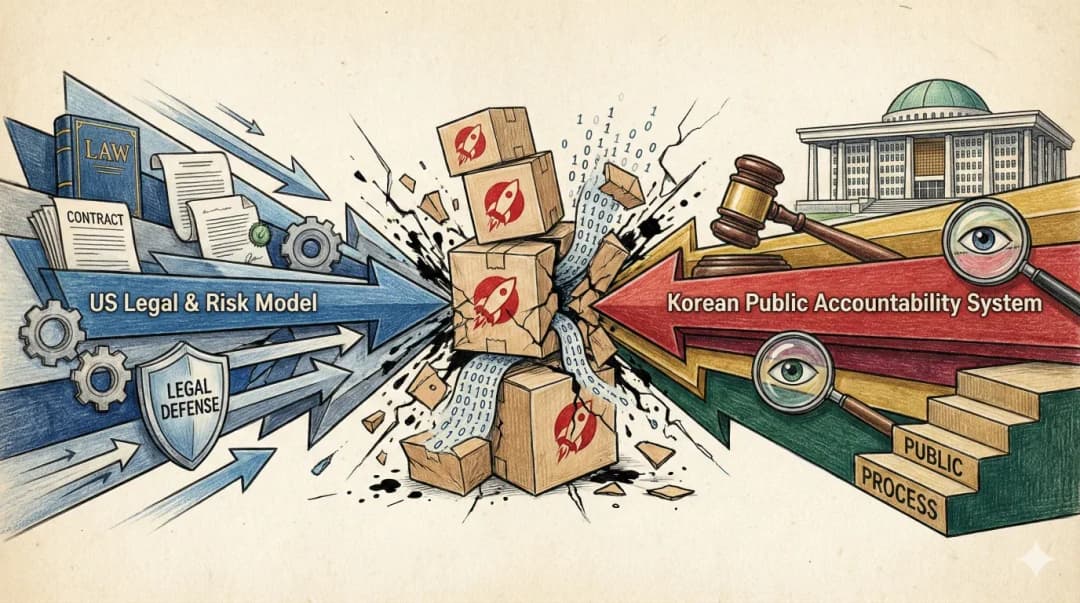
Recent data breaches and authentication failures demonstrate that mobile-based digital identity systems have become critical national security infrastructure. Without public oversight, nations remain exposed to systemic risks.
South Korea’s new town developments—built with high-rise apartments, oversized roads, and isolated commercial zones—were supposed to be the future of urban living. Yet, they have instead become psychologically exhausting, socially disconnected, and economically unsustainable.
Busan faces a critical turning point as young professionals leave in search of better jobs. Can the city reverse its decline and reinvent itself as a thriving hub for talent, innovation, and growth? Explore the challenges, economic impact, and strategies that could shape Busan’s future.
In Korea’s fast-paced society, the pursuit of convenience has made cheap, disposable products and ultra-processed foods a staple of daily life. From single-use plastics to calorie-dense packaged meals, these items offer affordability and practicality to time-pressed households. But hidden beneath their veneer of convenience is an uncomfortable reality: their long-term costs—environmental degradation, health risks, and systemic inequality—are disproportionately borne by society’s most vulnerable.
South Korea is grappling with an unprecedented demographic crisis, marked by a record-low fertility rate and an aging population. The nation, once celebrated for its rapid economic growth and bustling cities, now faces the stark reality of a shrinking and graying populace. This trend not only threatens the sustainability of the nation’s social welfare systems but also poses significant challenges to regional economies and urban planning. To combat these looming threats, the government has unvei
South Korea's democracy, celebrated as one of Asia's most vibrant and resilient, faced a critical test with the recent martial law controversy. The attempt to invoke such an extreme measure during a period of political unrest shocked citizens and drew widespread condemnation, highlighting persistent vulnerabilities in the country's democratic fabric. At the heart of this incident lies a deeper issue: the ideological stagnation of South Korean conservatism, which has failed to adapt to the demand
South Korea’s remarkable economic growth over the past decades has been largely driven by centralized development centered around Seoul and its surrounding regions. As the capital city, Seoul has become a global hub for political, economic, and cultural activities, attracting resources, population, and investments at an unprecedented scale. However, this success has come at a cost: regional imbalances have widened, leading to the economic stagnation of smaller cities and rural areas. Centraliza