OPEC+ Output Cuts Fuel Inflation Concerns as Oil Prices Soar
OPEC+ is a group of 23 oil-exporting nations that meets regularly to decide the quantity of crude oil to sell on the world market. At its core are the 13 members of OPEC (Organization of the Petroleum Exporting Countries), primarily consisting of Middle Eastern and African countries. OPEC was formed in 1960 as a cartel aiming to fix the global supply of oil and its price. Today, OPEC nations produce around 30% of the world's crude oil, with Saudi Arabia being the largest single oil producer with


OPEC+ is a group of 23 oil-exporting nations that meets regularly to decide the quantity of crude oil to sell on the world market. At its core are the 13 members of OPEC (Organization of the Petroleum Exporting Countries), primarily consisting of Middle Eastern and African countries. OPEC was formed in 1960 as a cartel aiming to fix the global supply of oil and its price. Today, OPEC nations produce around 30% of the world's crude oil, with Saudi Arabia being the largest single oil producer within the group.
In 2016, OPEC joined forces with 10 other oil producers, including Russia, to create OPEC+. Collectively, these nations produce about 40% of the world's crude oil. OPEC+ aims to balance the oil market by adjusting supply and demand, impacting oil prices as a result.
Recently, OPEC+ announced a significant cut in oil output, causing global oil prices to surge. The latest cut of 1.16 million barrels per day comes after a previous cut of 2 million barrels per day in October 2022. This decision led to a 5% rise in oil prices on international exchanges, with Brent crude reaching $84.13 a barrel and WTI increasing to $79.83.
The rising oil prices could prolong inflation, exacerbating an already contentious issue for consumers worldwide. Prolonged inflation may compel central banks to extend or intensify their interest rate hiking cycles. In an effort to support the stability of oil markets, Saudi Arabia announced a voluntary reduction in crude oil production, along with other OPEC members and allies.
As a result, shares in major oil companies such as Shell, BP, and TotalEnergies experienced gains on Monday. While the OPEC+ decision to cut output was unexpected, analysts from Goldman Sachs believe it aligns with the group's proactive approach to market control. The bank's analysts predict Brent crude prices to reach $95 per barrel by December.
The White House has expressed concerns about the OPEC+ output cuts, suggesting that they may exacerbate inflationary pressures. US President Joe Biden previously warned of consequences for Saudi Arabia, but his administration appears to have softened its stance. Meanwhile, Russia announced it would voluntarily reduce oil production by 500,000 barrels per day until the end of 2023.
Continue this reporting
Reporting on the same issue
Related coverage selected from the article's desk, topics and newsroom relationships.
 NewsSep 21, 2026
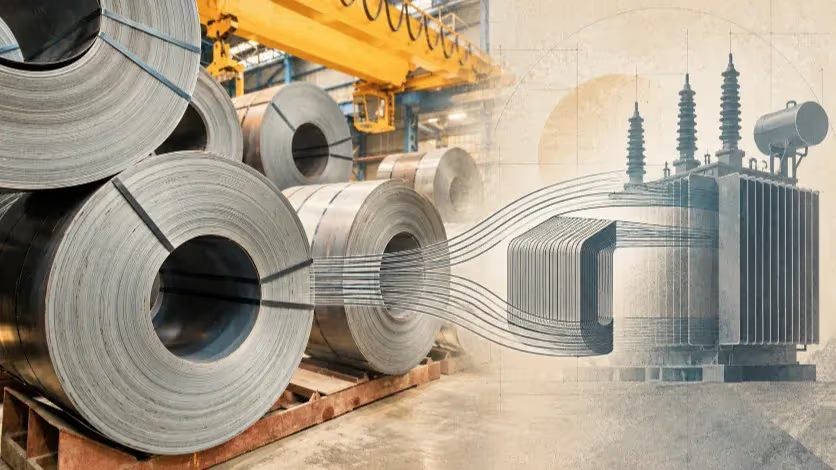
Europe’s Electrical-Steel Safeguard Now Reaches Inside the Transformer
A new EU safeguard follows electrical steel into certain finished transformer...
 NewsSep 14, 2026
Foreign Tourist Spending Is Reshaping Busan’s Nampo District
Foreign spending is making long-empty commercial space valuable again in Namp...
 NewsSep 11, 2026
Busan-Jinhae’s New Industrial Strategy Meets a Jobs Divide
As BJFEZ prepares to add AI, data and advanced energy to its industrial prior...
More from the author
More from this byline
Stay with the same line of reporting through more work from this byline.
 NewsSep 18, 2026
The Other AI Race Is for the Freedom to Change Course
 NewsSep 5, 2026
How a Political Appointment Becomes a Judgment of Character
Editorial Record
Corrections, sourcing notes and newsroom disclosures remain part of the published record. View Newsroom Notes →
Reader Signal
Community readWhat did this report leave you with?
Choose the signal that best reflects your reading. Select it again to remove it.
One response per article
No response selected
A moderated conversation about the reporting.
One-level replies and newsroom moderation keep the conversation anchored to this article.
Discussion Status
Open
Please sign in to join the discussion.
Newsletter
Weekly reporting and context from Busan and Korea.