Gamcheon Culture Village: Can Tourism and Community Find Harmony?
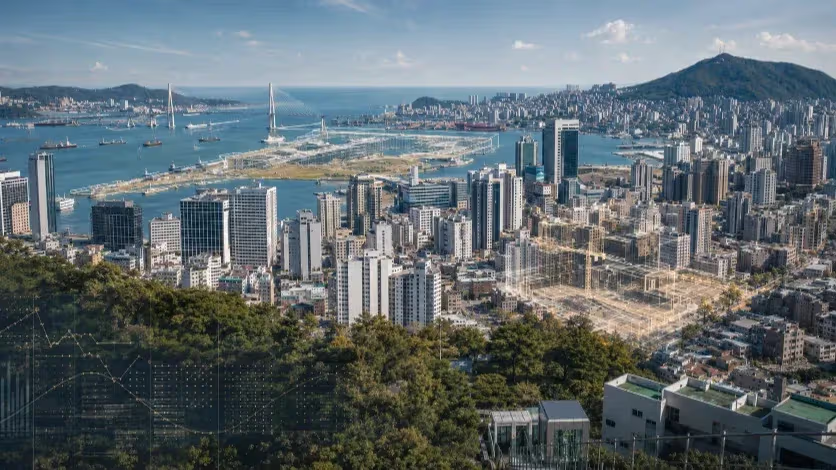
Busan, South Korea - Gamcheon Culture Village, a vibrant hillside settlement in Busan, has become one of South Korea’s most iconic tourist destinations. Known for its colorful murals, narrow alleys, and panoramic views, the village attracts millions of visitors annually. However, this global recognition has come at a steep price for its residents. As Saha District unveils a comprehensive strategy to address the adverse impacts of over-tourism, Gamcheon faces a critical juncture in its transforma

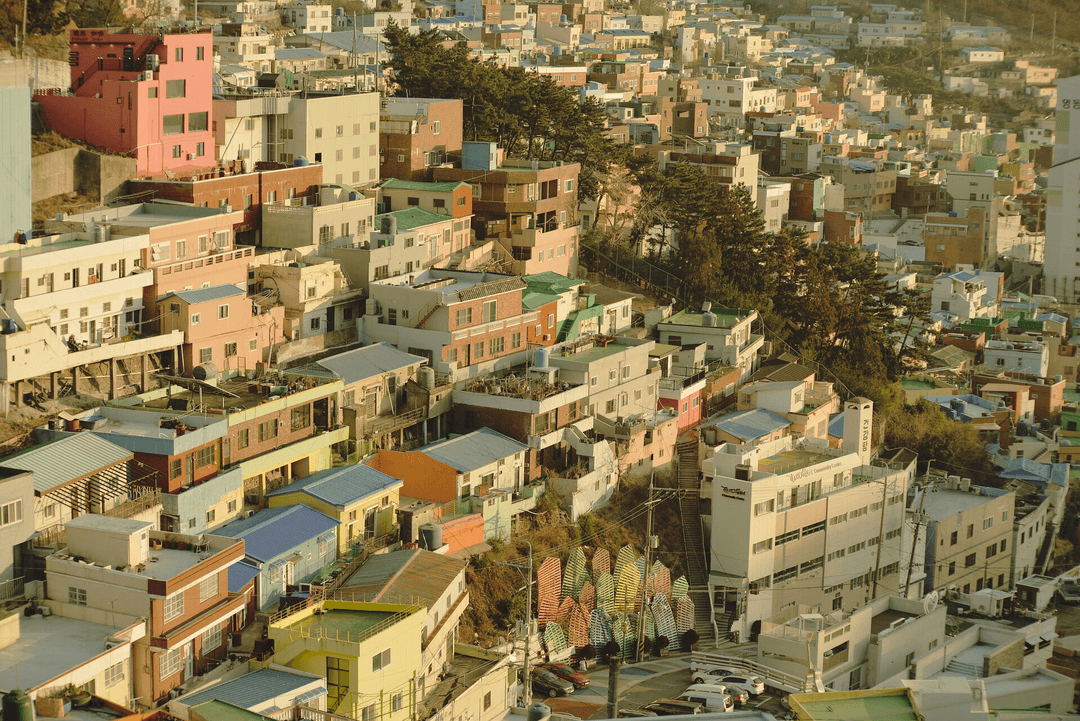
Busan, South Korea - Gamcheon Culture Village, a vibrant hillside settlement in Busan, has become one of South Korea’s most iconic tourist destinations. Known for its colorful murals, narrow alleys, and panoramic views, the village attracts millions of visitors annually. However, this global recognition has come at a steep price for its residents. As Saha District unveils a comprehensive strategy to address the adverse impacts of over-tourism, Gamcheon faces a critical juncture in its transformation from a living community to a sustainable tourism model.
In 2022 alone, Gamcheon welcomed 1.75 million visitors, 80% of whom were foreign tourists. Despite the staggering volume, the economic benefits for residents have been disproportionately low, averaging just 126 KRW ($0.10) per tourist annually. Many visitors spend less than an hour in the village, capturing photographs and quickly moving on. This fleeting interaction has created a tourism model that prioritizes quantity over quality, leaving local businesses struggling to reap meaningful benefits while residents bear the brunt of its consequences.
The social impacts have been equally disruptive. Intrusive behaviors such as peeking into windows or photographing private homes have turned the neighborhood into a spectacle, eroding residents' privacy and dignity. Noise, litter, and traffic congestion further exacerbate tensions, particularly for Gamcheon’s aging population. Over the past decade, the village’s population has halved to just 1,558 residents, 24% of whom are aged 65 or older. For many, Gamcheon’s rise to fame has brought feelings of alienation and displacement rather than opportunity.
To address these challenges, Saha District has introduced a multi-faceted intervention plan. Central to this effort is the conversion of vacant homes into “living experience centers,” which aim to immerse tourists in the lifestyle of 1950s-60s Korea. These centers will offer curated activities such as traditional cooking, crafting, and recreating the daily lives of the village’s early residents. The goal is to encourage tourists to stay longer, shifting their focus away from residents’ private homes and toward curated cultural experiences.
Saha District has allocated 500 million KRW to this initiative, with plans to evaluate its effectiveness before potentially expanding the project to include boutique accommodations and village-style hotels. Complementing this effort, zoning measures will separate tourist-friendly areas from protected residential zones. The former will guide visitors along designated paths, while the latter will enforce restrictions to preserve privacy and reduce noise. This zoning strategy aims to replicate successful models like Seoul’s Bukchon Hanok Village, where controlled visitor access has eased resident concerns.
Despite its ambition, the plan faces criticism. The limited budget has raised doubts about whether the initiative can convert enough homes to create a meaningful impact. Skepticism also surrounds the ability of living experience centers to deter intrusive behaviors without robust visitor education. Zoning, while promising, could risk transforming Gamcheon into a static museum-like attraction, stripping it of the authentic vibrancy that draws visitors in the first place. Additionally, the enforcement of these measures poses logistical challenges, particularly for foreign tourists unfamiliar with local rules.
Perhaps the most critical factor in the success of these initiatives is the involvement of residents. For Gamcheon’s transformation to be sustainable, locals must have a meaningful voice in shaping the future of their village. Without tangible benefits and active participation, these efforts risk being perceived as prioritizing tourism over community well-being.
Gamcheon Culture Village exemplifies the broader challenges faced by iconic destinations worldwide. It raises pressing questions about balancing cultural preservation with tourism growth, economic development with environmental sustainability, and visitor satisfaction with resident quality of life. The decisions made today will shape Gamcheon’s identity for decades to come. If successful, the village could become a global model for sustainable tourism where visitors and residents coexist in mutual respect. However, failure to address the nuanced complexities of over-tourism could leave Gamcheon as a cautionary tale of cultural erosion and community displacement.
For now, Gamcheon’s vibrant murals remain a testament to resilience and creativity. Whether the village can retain its soul while embracing its global appeal remains the ultimate test.
Editorial Context
"Independent journalism relies on radical transparency. View our full log of editorial notes, corrections, and project dispatches in the Newsroom Transparency Log."
Reader Pulse
The report's impact signal
Be the first to provide a reading pulse. These collective signals help our newsroom understand the impact of our reporting.
Join the discussion
A more thoughtful conversation, anchored to the story
Atlantic-style discussion for this article. One-level replies, editor prompts, and moderation-first participation are now powered directly by Prisma.
Discussion Status
Open
Please sign in to join the discussion.
The Weekly Breeze
Independent reporting and analysis on Busan,
Korea, and the broader regional economy.